The Queer Spectrum Film Festival Is Happening This Weekend
The Queer Spectrum Film Festival is celebrating its 3rd year running this weekend, 12th to 14th June 2026. At its inception, the festival was Ireland’s first film festival dedicated exclusively to LGBTQIA+ migrants and queer people of colour.
This is the first year that the festival’s programme features Irish premieres exclusively showing at the QSFF, and 26 films from around the world. The 2026 edition is supported by Screen Ireland, and you can also expect films exploring queer migration, underground drag culture, HIV activism, trans identity, race, belonging, and chosen family. Audiences can also attend panel discussions with international filmmakers and activists, discover experimental work from Ireland-based queer artists and migrant filmmakers, and learn more about Spectrum Lab, a new development initiative supporting underrepresented creatives in film and media.
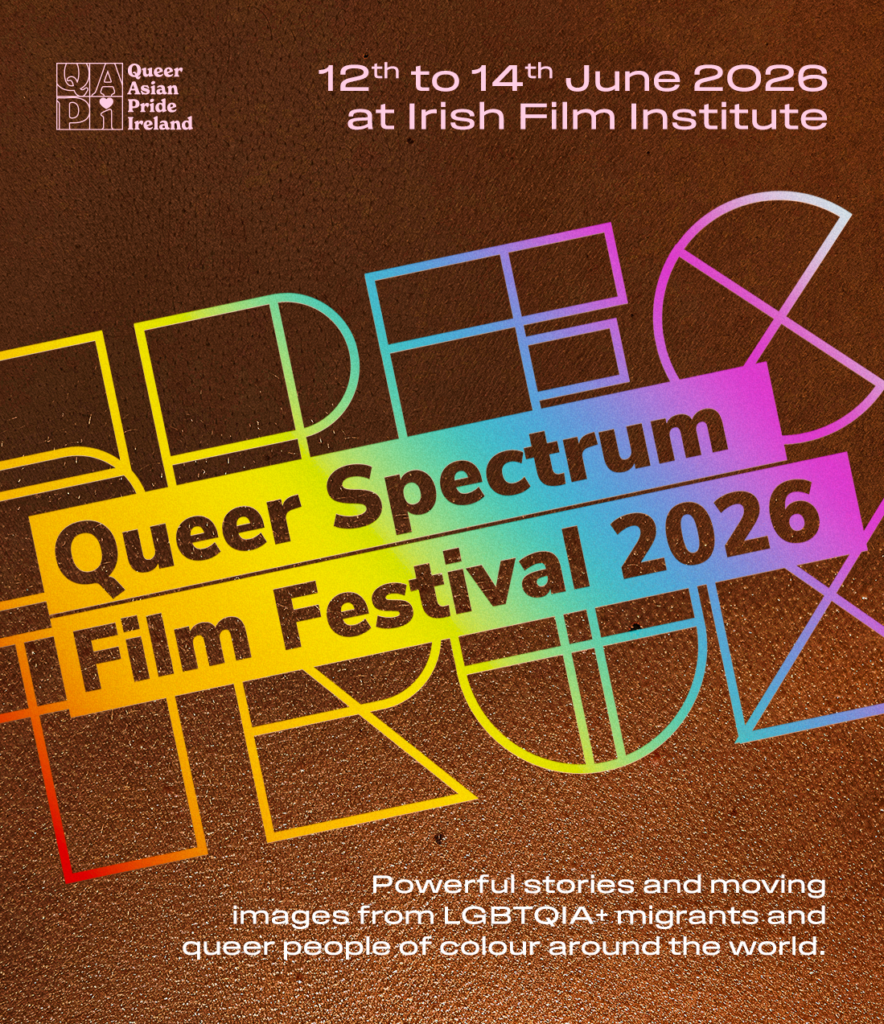
The festival was founded, curated and now hosted by LGBTQIA+ migrants living in Ireland. This year, it will take place at the Irish Film Institute and will be presented by Queer Asian Pride Ireland with the theme, Tender Migrations: Queer Journeys Through Desire, Transition, and Healing.
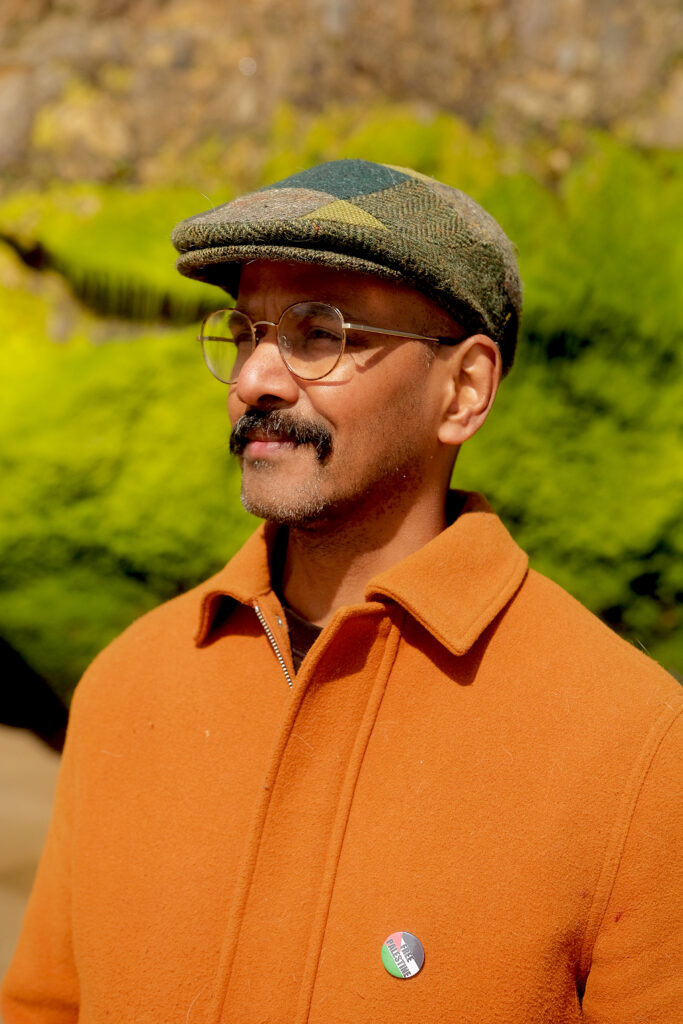
We spoke to Founder & Director of The Queer Spectrum Film Festival, Pradeep Mahadeshwar, about this year’s festivities.
What makes this years QSFF special? Do you have any must-sees?
What makes this edition particularly significant is the growing creative impact of the festival itself. Four queer migrants created original short films specifically for QSFF 2026, demonstrating how the festival has evolved beyond a screening platform into a space that actively nurtures and commissions new queer migrant storytelling.
“Four queer migrants created original short films specifically for QSFF 2026, demonstrating how the festival has evolved beyond a screening platform into a space that actively nurtures and commissions new queer migrant storytelling.”
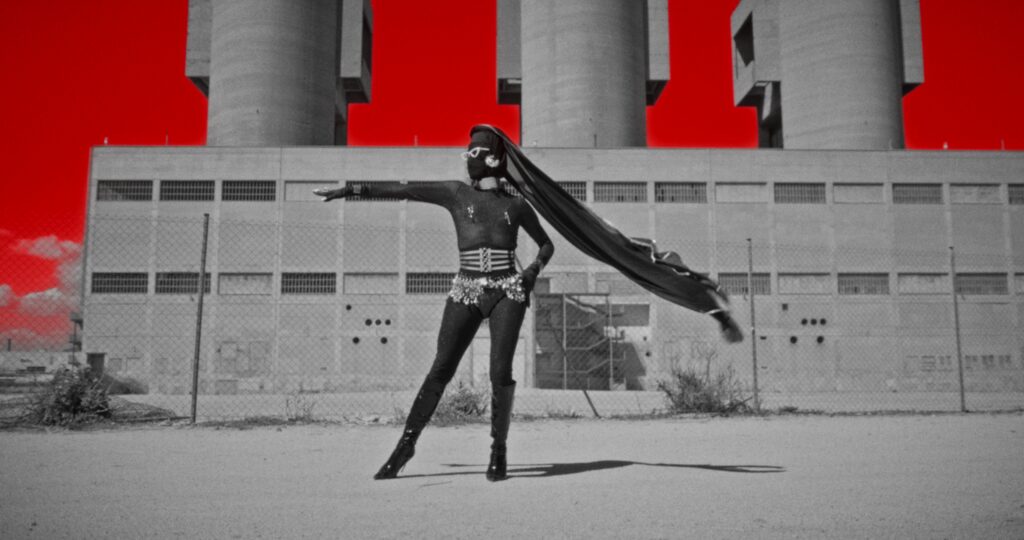
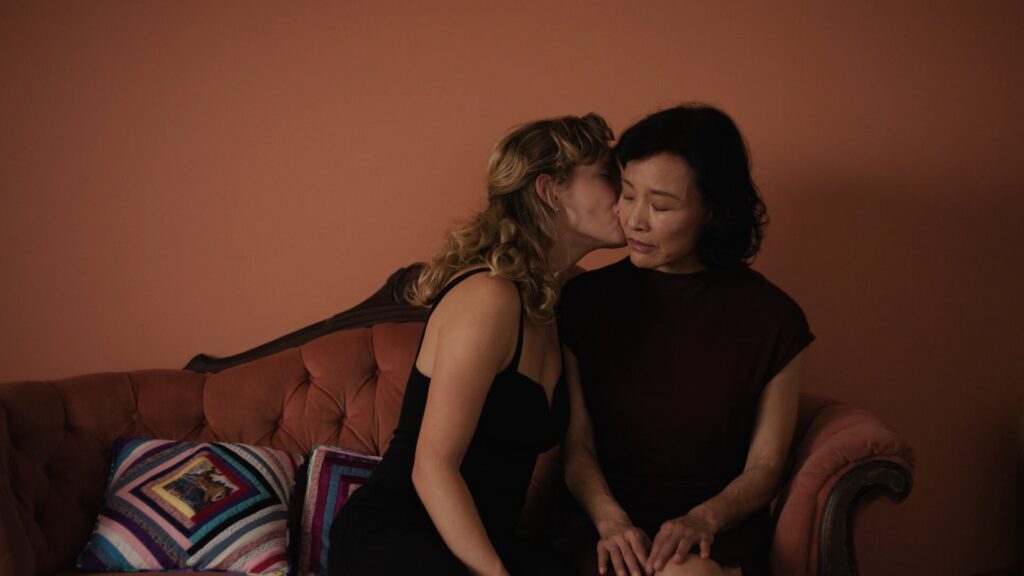
Treat Me Like Your Mother by Mohamad Abdouni is a powerful act of archival healing, restoring visibility to transfeminine communities in Beirut whose histories have often been erased. Through personal photographs and documentary testimony, the film creates a moving portrait of desire, identity, and survival.
Similarly, OUT LAWS follows LGBTQIA+ activists from Namibia, Barbados, and Sri Lanka as they challenge colonial-era laws that continue to criminalise queer lives. By tracing the legacy of the British Empire and the activists fighting these injustices today, the film highlights the ongoing struggle for dignity, equality, and freedom.
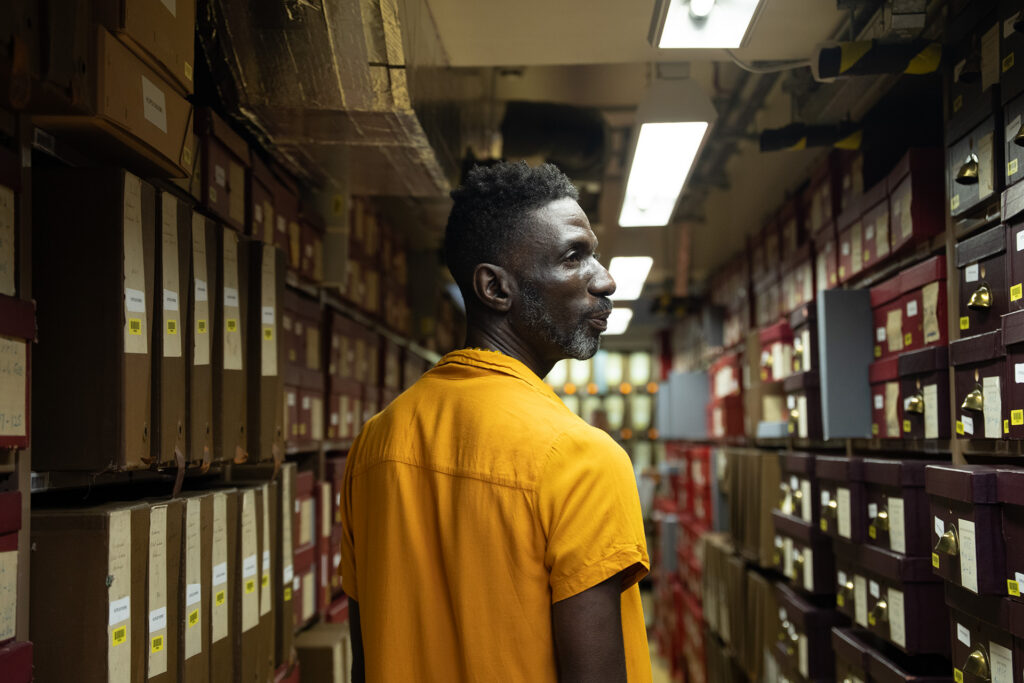
The Japanese feature TIGER and the Canadian film Montréal, ma belle explore quieter but equally profound forms of migration and transformation. Both films focus on characters navigating loneliness, belonging, desire, and self-discovery. They remind us that migration is not only geographical—it can also be emotional, cultural, and deeply personal. Together, these works reveal queer transition as an ongoing process of becoming, connection, and liberation.
The festival’s Living with HIV programme brings together stories from Tunisia, Britain, and Ireland that confront stigma, invisibility, and historical erasure. Through films such as Exile, Reframing AIDS, and Out of Shadows, the programme transforms memory into an act of resistance while celebrating resilience, care, and community.
“The festival’s Living with HIV programme brings together stories from Tunisia, Britain, and Ireland that confront stigma, invisibility, and historical erasure.”
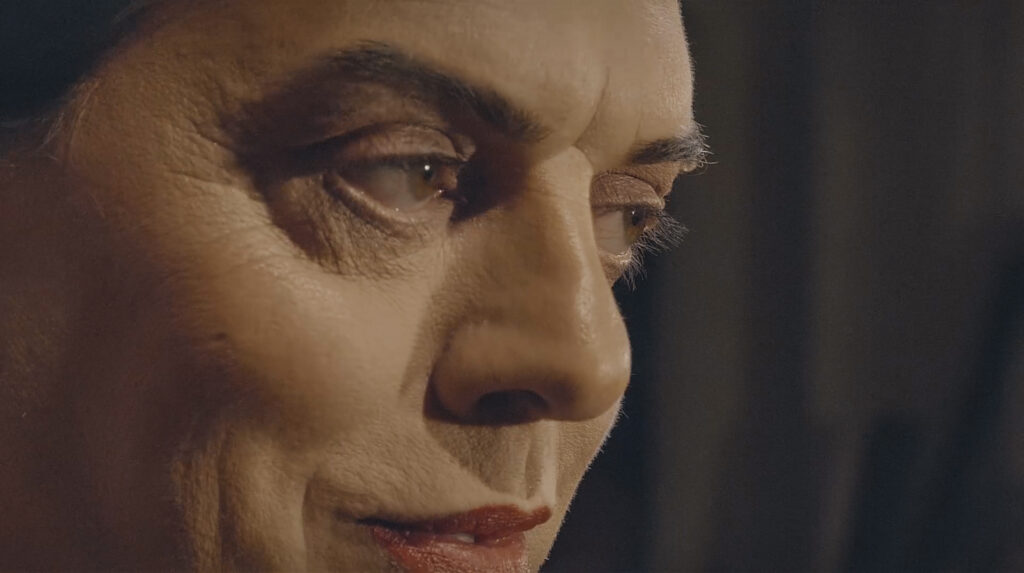
Our Intimate Colours short film programme explores queer desire, identity, and belonging through diverse international stories. The films examine how people navigate visibility across migration, race, gender, and culture, while celebrating intimacy, vulnerability, and joy as forms of radical self-expression.
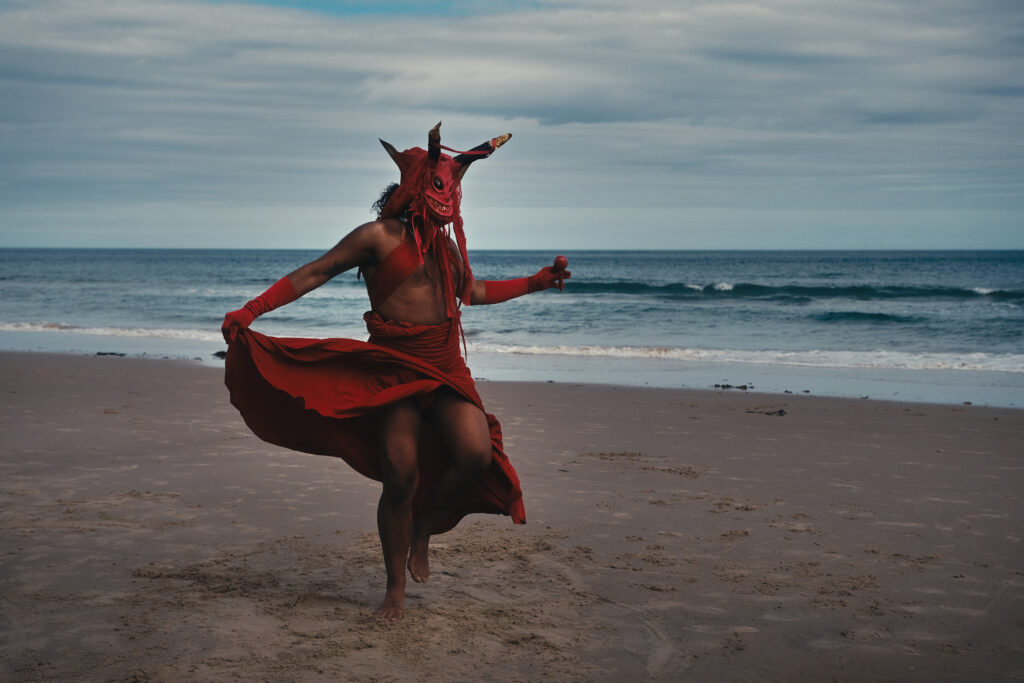
Meanwhile, the Tender Migration short film programme serves as the emotional heart of the festival. Featuring stories of transgender resilience, forbidden love, chosen family, and displacement, the programme explores how queer people move through borders, identities, and histories in search of connection and safety. These films remind us that tenderness can be a powerful form of resistance and that healing often begins through storytelling.
Talk me through the festival’s specific focus on migrants.
Since the Marriage Equality Referendum and the Gender Recognition Act over a decade ago, Ireland has been seen as a beacon of hope and a safe haven for LGBTQIA+ people from different parts of the world including the Global South. Many queer people have chosen to make Ireland their home, bringing with them diverse cultures, languages, experiences, and perspectives.
“Since the Marriage Equality Referendum and the Gender Recognition Act over a decade ago, Ireland has been seen as a beacon of hope and a safe haven for LGBTQIA+ people from different parts of the world including the Global South.”
Yet, while Ireland has made significant progress in legal equality, there remains a lack of cultural infrastructure in the existing system that enables queer migrants to participate, connect, and integrate into society fully. Queer life is about far more than nightlife and dating apps – it is about community, belonging, creativity, and the ability to see your own experiences reflected in public culture.
The Queer Spectrum Film Festival places queer migrant voices at its heart. We create opportunities for LGBTQIA+ migrants to tell their stories, share their creative expression, and see themselves represented on the big screen. The festival exists to support, nurture, and celebrate these voices.
The queer migrant community possesses immense creative talent and storytelling power. However, there is often no clear pathway into Ireland’s creative and cultural industries. Through screenings, training, networking, and skills development initiatives, the festival seeks to bridge that gap and help build a more inclusive creative sector—one where queer migrants are not only welcomed but also empowered to lead, create, and thrive.
“The queer migrant community possesses immense creative talent and storytelling power. However, there is often no clear pathway into Ireland’s creative and cultural industries.”
Can you speak from personal experience about the necessity of QSFF?
Absolutely. As a queer migrant living in Ireland, I know firsthand what it feels like to search for stories, spaces, and communities that reflect your lived experience. While Ireland has made remarkable progress in LGBTQIA+ rights and is often seen internationally as a welcoming place for queer people, many LGBTQIA+ migrants still struggle to find cultural spaces where they can fully belong.
When I arrived in Ireland, I noticed that queer representation on screen often centred a limited range of experiences. There were very few opportunities to see the realities of queer migrants, people of colour, asylum seekers, or people navigating multiple identities reflected in Irish cinema and culture. While many film festivals in Ireland programme excellent international films about migration and queer lives, local migrant and QPoC filmmakers have historically had limited opportunities to tell their own stories and develop sustainable creative careers.
“When I arrived in Ireland, I noticed that queer representation on screen often centred a limited range of experiences.”
A significant challenge is that many film festivals and cultural institutions in Ireland still lack meaningful representation of people of colour and migrants in leadership, programming, and decision-making roles. As a result, migrant and QPoC experiences are often viewed through a narrow lens. Many organisations publicly commit to diversity and inclusion, yet continue to operate with overwhelmingly monoethnic leadership structures and limited lived experience of migration, racism, or cultural displacement. Representation is important, but representation alone is not enough. Decision-making power matters too.
That frustration became the starting point of my own filmmaking journey. I wanted to understand why stories like mine were absent from the screen and why creators like me were rarely supported. In response, I made a self-funded experimental short film, Skin to Skin Talks, which explored the experiences of a gay person of colour living in Ireland, including racism and its impact on mental health, intimacy, and wellbeing. The film travelled internationally and resonated with audiences who recognised aspects of their own lives in the story. It showed me the power of authentic storytelling and the importance of creating spaces where marginalised communities can speak for themselves.
“That frustration became the starting point of my own filmmaking journey. I wanted to understand why stories like mine were absent from the screen and why creators like me were rarely supported.”
That experience gave me a vision. I realised there was a need for a dedicated platform where queer migrants and people of colour could share their stories, build confidence, connect with audiences, and access opportunities within Ireland’s cultural sector. QSFF emerged from that belief.
How did running the festival help with this?
The festival is not simply about screening films; it is about creating visibility, fostering community, and building cultural infrastructure. It provides a platform where queer migrants can tell their own stories rather than having others speak on their behalf. Importantly, QSFF is founded, curated, and led by LGBTQIA+ migrants and queer people of colour. We are not only represented within the festival—we are shaping its direction, values, and vision.
“It provides a platform where queer migrants can tell their own stories rather than having others speak on their behalf.”
Over the past three years, I have witnessed how transformative that can be. Audience members have told us it was the first time they saw their experiences reflected on screen. Filmmakers have found collaborators, mentors, and creative confidence. New friendships, networks, and projects have emerged from conversations that began at QSFF.
For me, the festival is part of a larger vision of a “New Irish Queerness”—one that recognises that Irish queer culture is multilingual, multicultural, and shaped by people who have arrived here from all over the world. At a time when migration is often discussed through fear and division, QSFF creates a space for empathy, dialogue, and connection. It reminds us that queer migrant stories are not peripheral to Irish society; they are an essential part of its present and future.