This Painter Spent Six Months Living on the Great Blasket
Words: Emma McCarthy
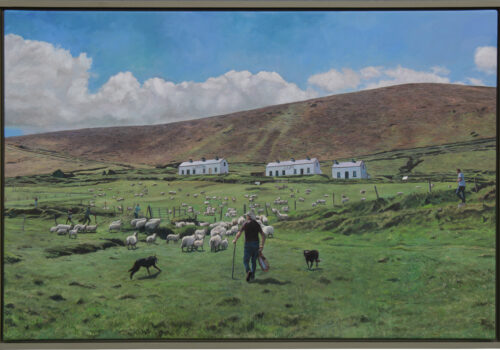
When the last visitor boats left the Great Blasket each evening, artist James Hayes and his wife Camille Rosenfeld had the island almost entirely to themselves. The couple spent six months living and working there as caretakers last summer, with little electricity and no hot water or fridge. The experience inspired On the Edge and In-Between, a collection of eighteen oil painting capturing the landscape, people and everyday realities of island life.
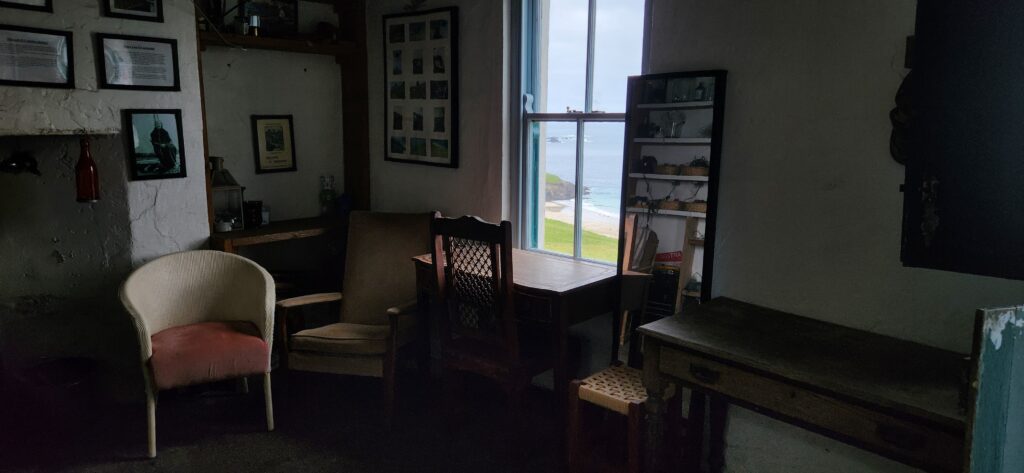
“The exhibition is a documentation of what life was like on the island for those six months. It’s a 21st-century portrait of the island,” Hayes told me. “If you want to exist in the moment, it’s the perfect place. You were better off leaving the phone or laptop aside and really taking on the island, engaging with everything it has to offer. We fell in love with the place.”
“If you want to exist in the moment, it’s the perfect place.”
“The Blasket Islands occupy a certain space in Irish culture,” Hayes says. “They’re mythologised and romanticised, but equally they represent something about our language and social history. There was a lot of authenticity in the way the community spoke.”
“The Blasket Islands occupy a certain space in Irish culture,”
For generations, the Great Blasket was home to a small, self-sufficient Irish-speaking community living two kilometres off the Dingle Peninsula in Co. Kerry. From a population that peaked at around 200 in the early 1900s emerged an extraordinary literary legacy. Islanders Tomás Ó Criomhthain, Peig Sayers and Muiris Ó Súilleabháin wrote first-hand accounts of life there, preserving its language, folklore and traditions for generations to come.
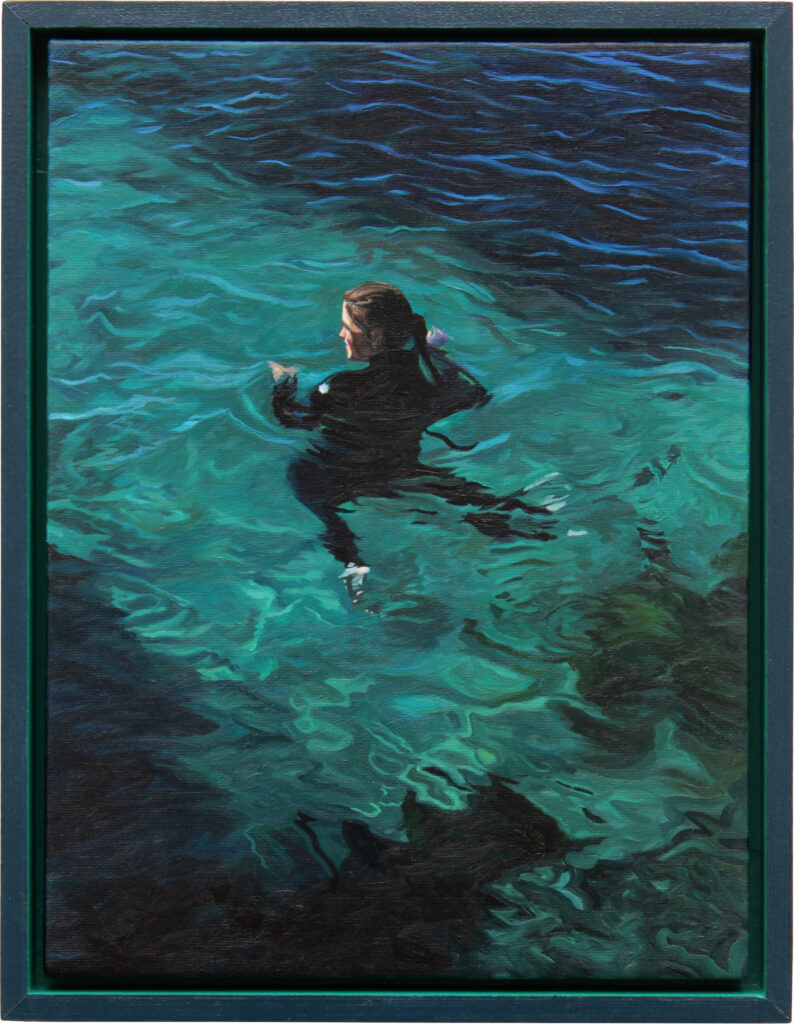
But the community was gradually disappearing. Younger islanders emigrated, supplies became scarce and the remaining families had limited access to essential services, making life unsustainable. By 1953, the remaining islanders were evacuated by the Government to the mainland, bringing centuries of permanent settlement to an end – but leaving behind the cottages, paths and stories that continue to feed the island’s mythology.
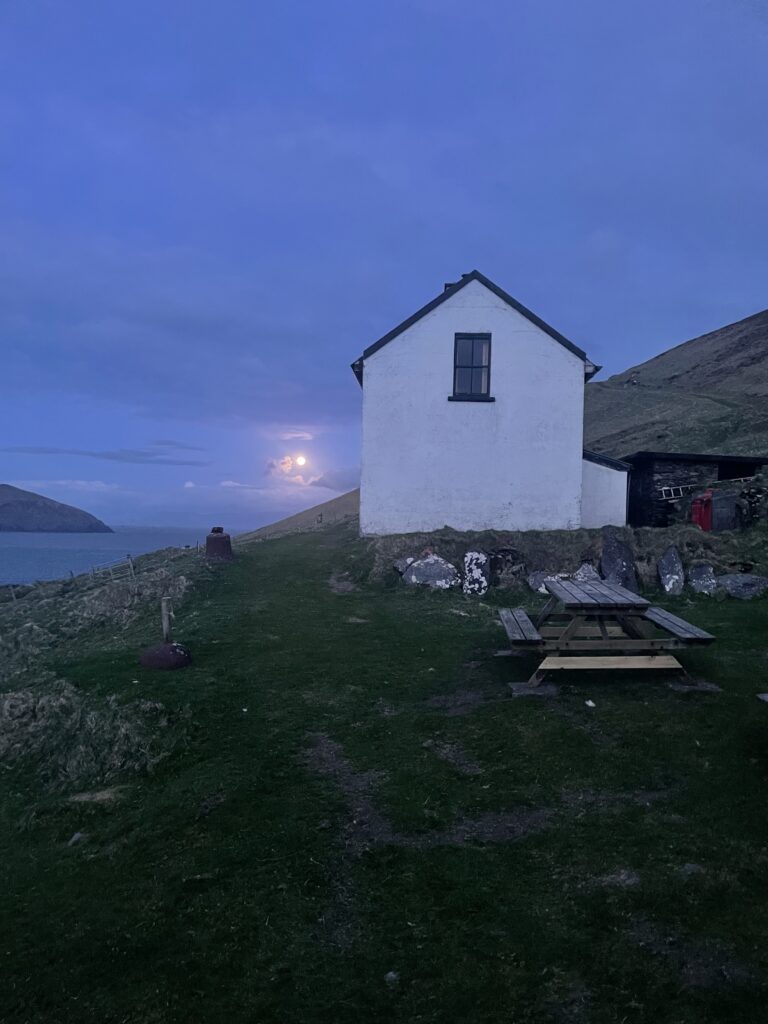
Six decades later, Billy O’Connor, who inherited 5 cottages on the island, created ‘The Great Blasket Island Experience’ with his partner, Alice Hayes in 2014. In 2019, they launched the caretaker scheme, which became an unlikely phenomenon attracting 80,000 applications. For Hayes, a Kerry native, and Rosenfeld, originally from Minneapolis, becoming caretakers offered the chance to experience the island beyond a day trip.
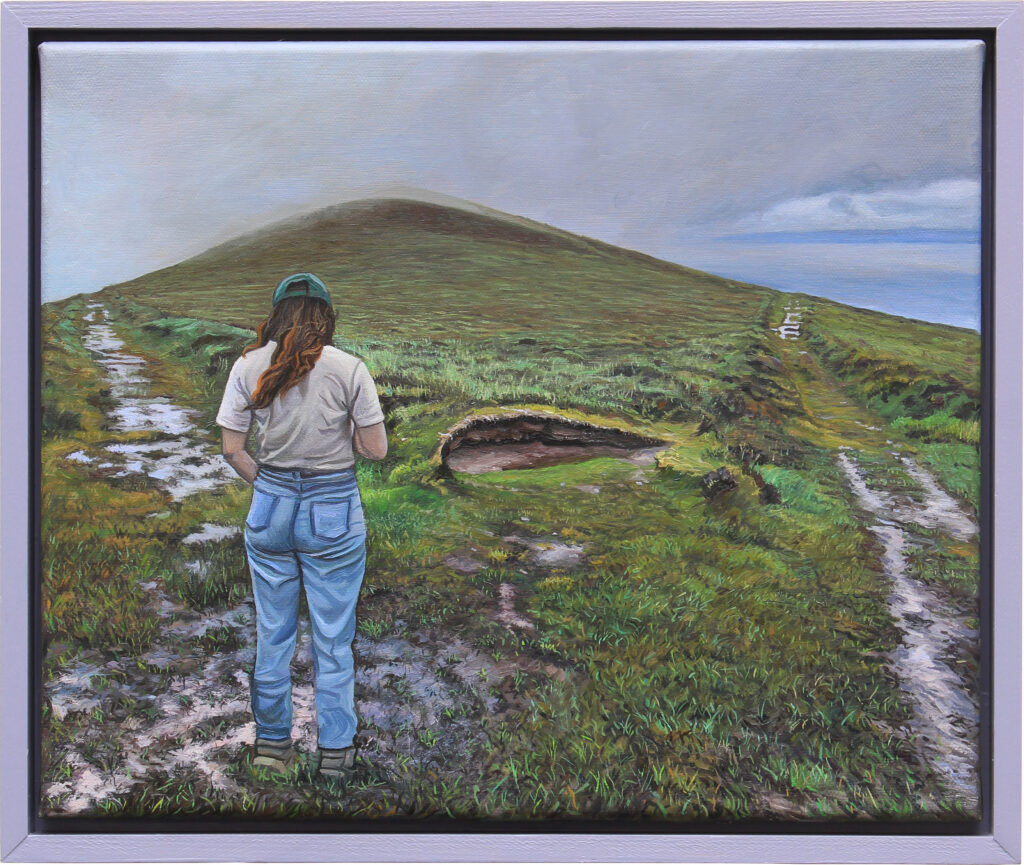
Once they arrived on the island, they discovered more infrastructure than expected: cold running water, Wi-Fi and electricity for about an hour each day. “Some people may find the idea of living on the island somewhat restrictive, limiting their freedom or lacking in some everyday luxuries, but we were never apprehensive about it” says Hayes.
“Some people may find the idea of living on the island somewhat restrictive, limiting their freedom or lacking in some everyday luxuries, but we were never apprehensive about it”
Their lives soon fell into the rhythm of the island, shaped by the weather, daylight and the daily work involved in its upkeep. Much of their free time was spent walking and exploring, including four or five-hour hikes towards the West of the island. “It’s the biggest small island you’ll ever be on,” Hayes says. “It has this mysterious history, and sometimes there are unexplained structures, paths, trails and characteristics to the island. There’s so much more to explore, and we only got so far in six months.”
“It has this mysterious history, and sometimes there are unexplained structures, paths, trails and characteristics to the island. There’s so much more to explore, and we only got so far in six months.”
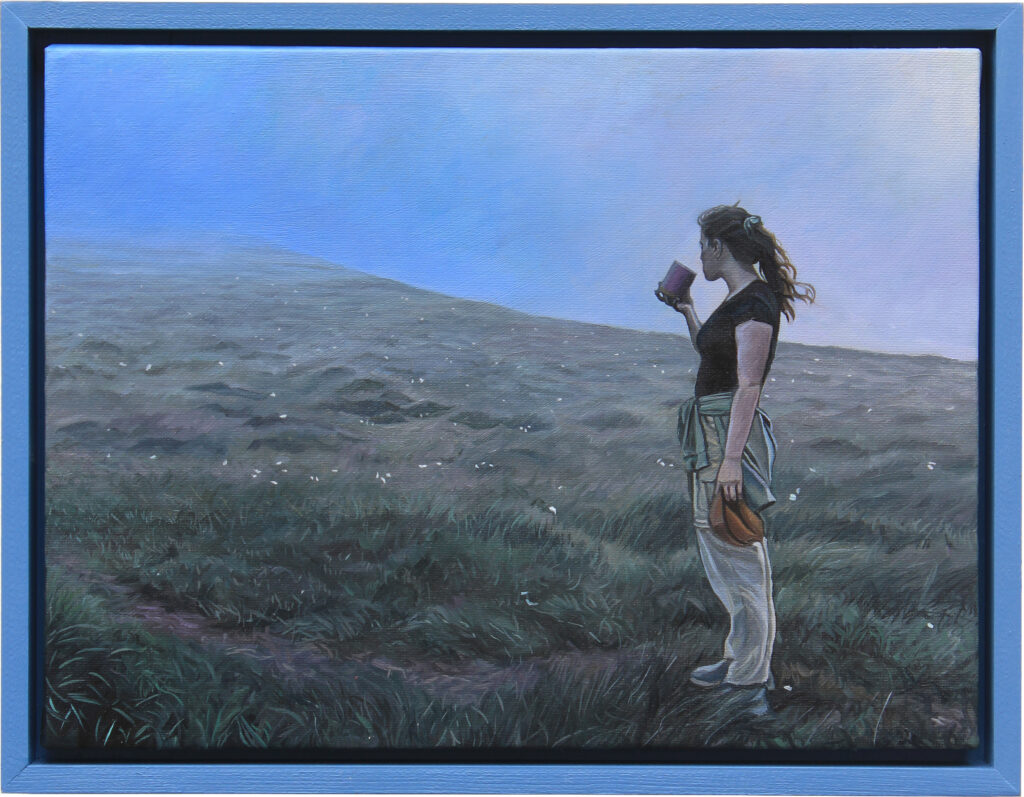
“The longer we were there, the bigger it got,” Rosenfeld agrees. “There was always more to see and things that you didn’t notice before. You’d walked by something a bunch of times and then suddenly there were different caves and things that you didn’t know about.”
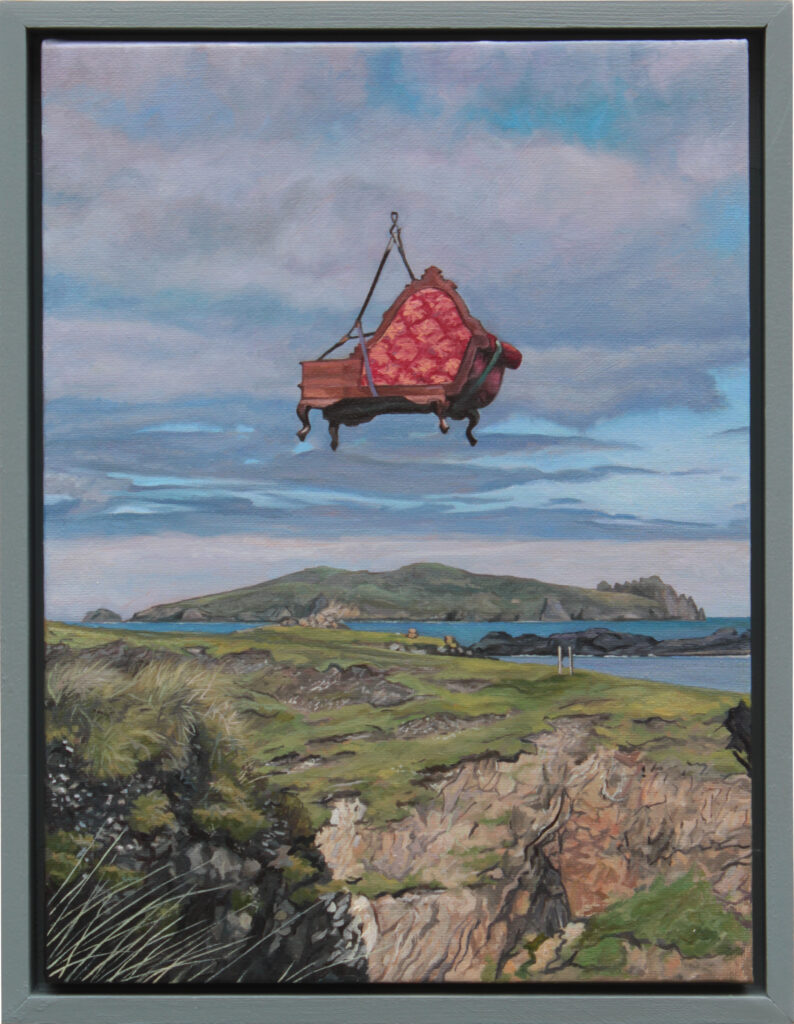
Sometimes the weather became a spectacle in itself. One afternoon, Hayes, Rosenfeld and a visiting friend sat outside the cottages watching a thunderstorm over Dún Chaoin while conditions on the island remained somewhat clear. “When you’re sat in front of those cottages and you look across to Dún Chaoin, it feels like the world is just drifting by you,” Hayes says. “You’d just sit there and watch the world go by. Then when there’s some environmental event happening, it’s like having this private theatre.” The moment inspired Grounded, the only painting in the exhibition Hayes completed while living on the island.
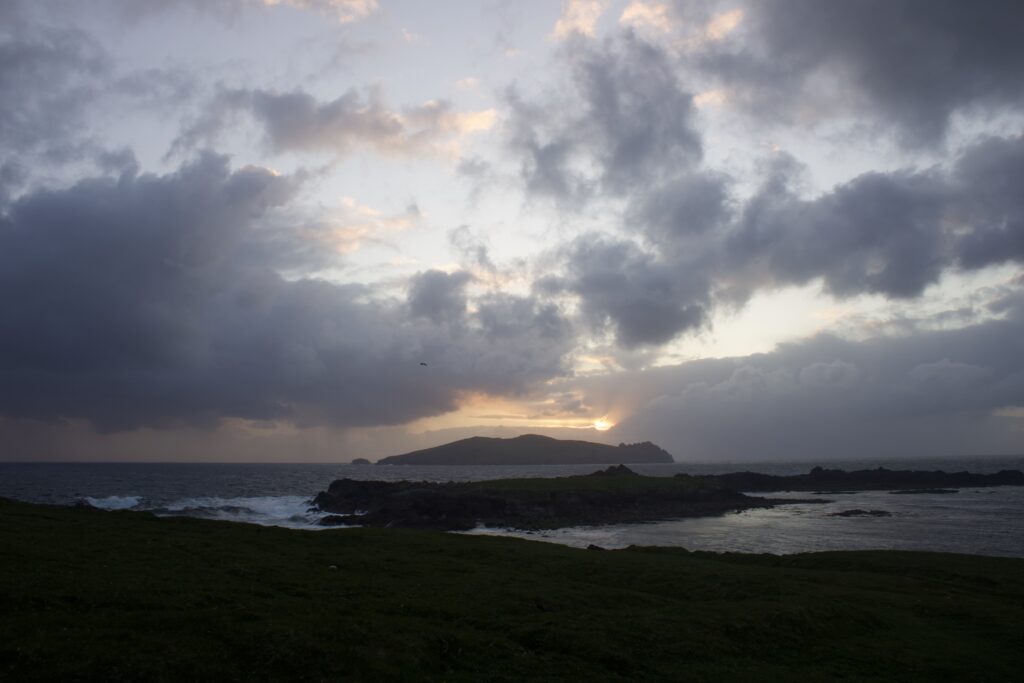
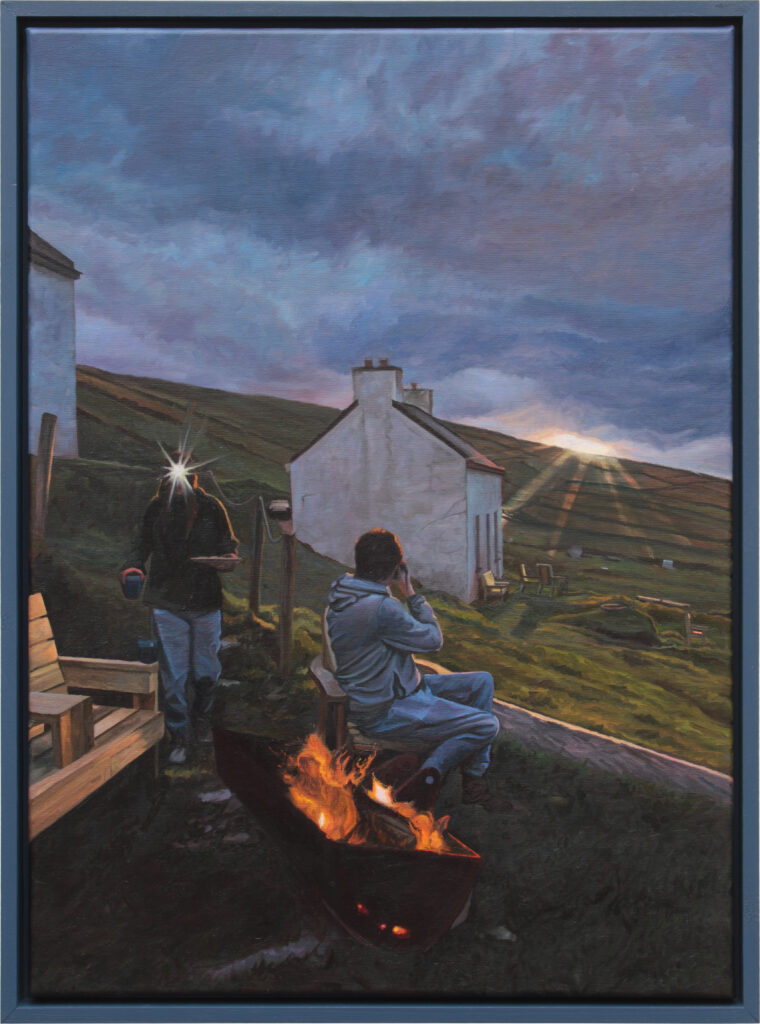
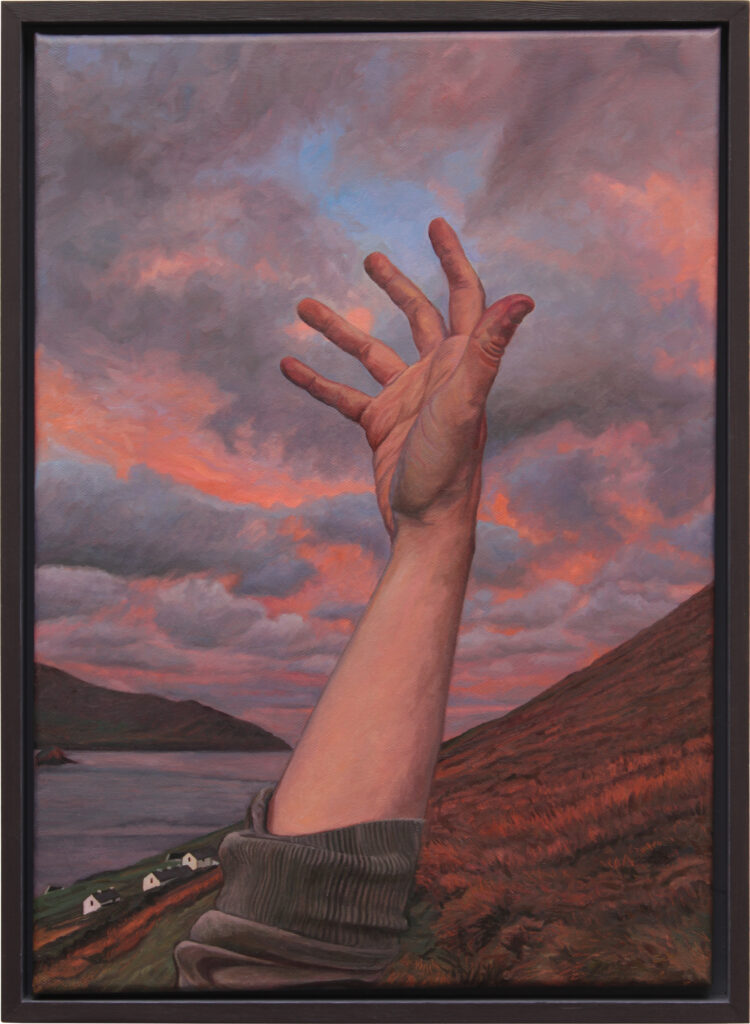
Evenings were often spent around the cottages watching the sunset, sometimes with friends and family who came to stay. “The sun always sets over there, behind that hill, and we would often walk around here and watch it. It was like our sunset-watching place,” Hayes says as he points at his painting Tiny Particles of Light.
Hayes remembers being out on the island at around 10.30pm the night of the summer solstice as the landscape slipped into what he describes as the “blue hour”. “It was just that transition from where the land starts to disappear into this kind of blue, hazy light,” as captured in I am a woman of the fairies.
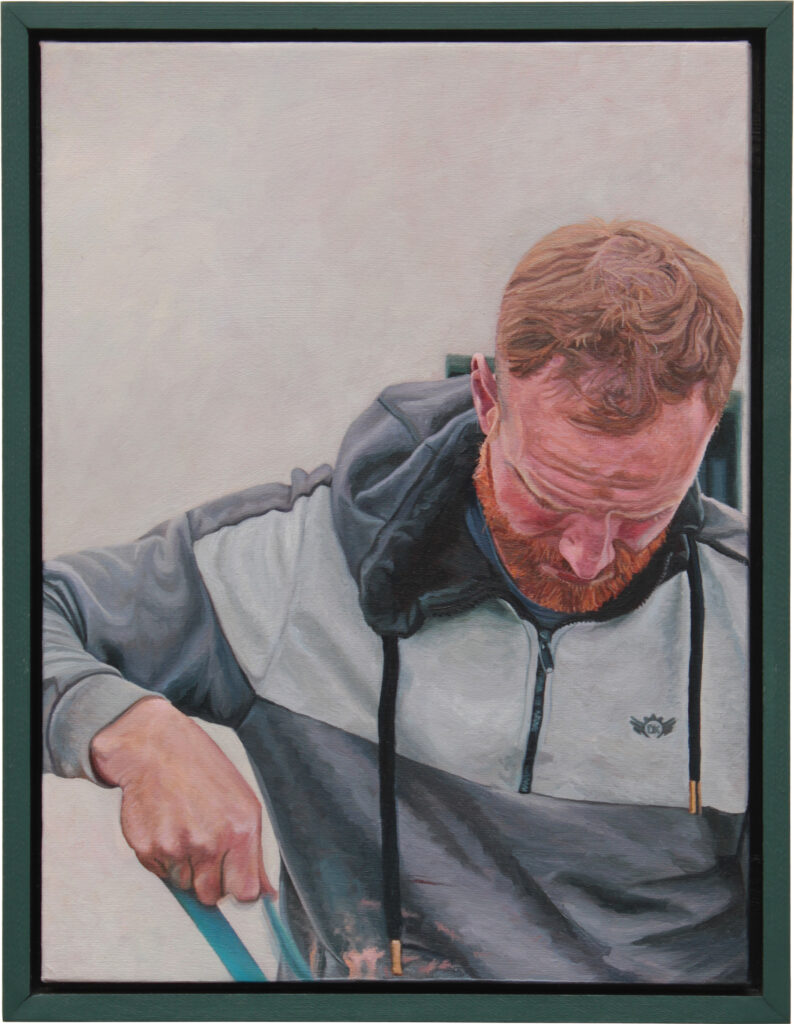
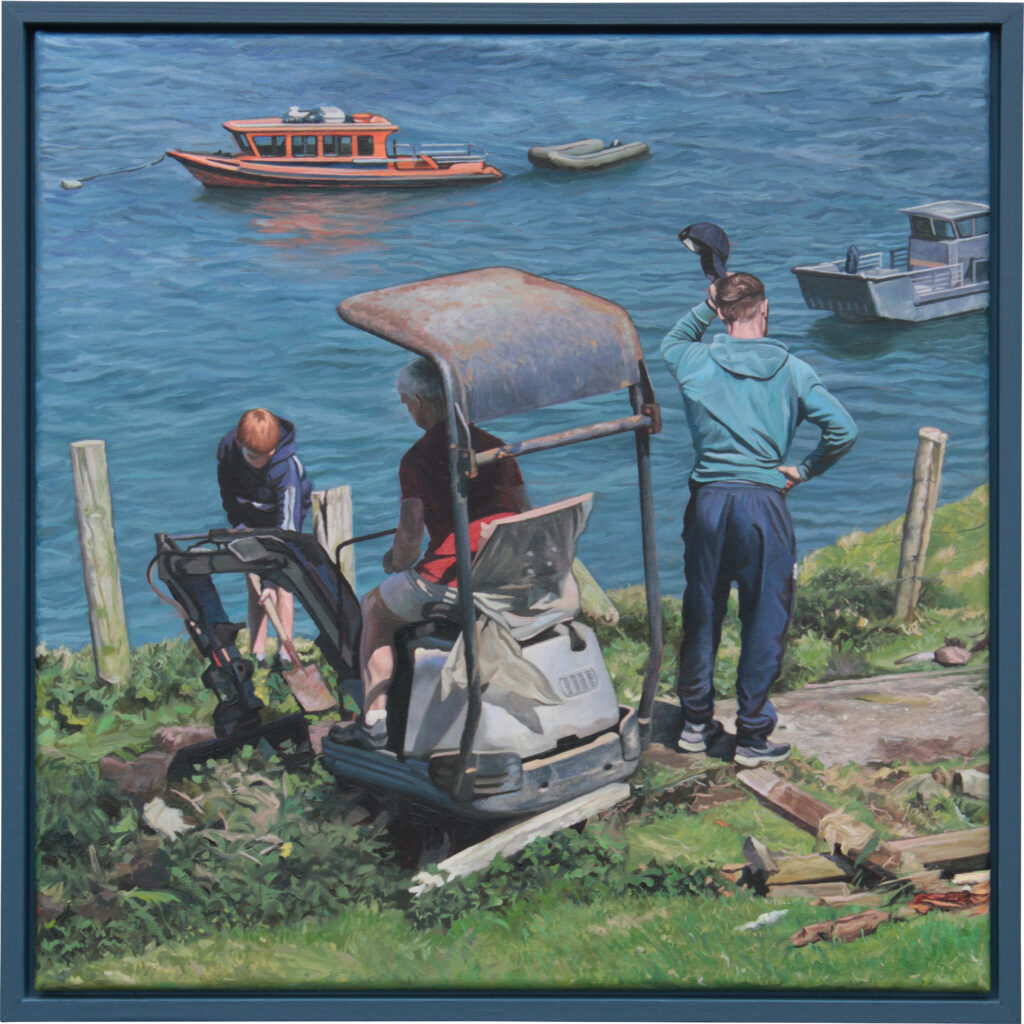
Those experiences shaped what Hayes chose to paint. Hayes depicted the romantic landscapes traditionally associated with the Blaskets, but he also turned his attention to the more unconventional aspects including machinery, labour and people that tourists may otherwise overlook. “To not paint the sometimes-unwieldy machinery would be like turning away from it. For example, the water tanks, pumps and pipework are what keeps the water running. I was trying to paint what I encountered with honesty. There are so many characters orbiting the place that keep things going and I felt they needed their story to be told too.”
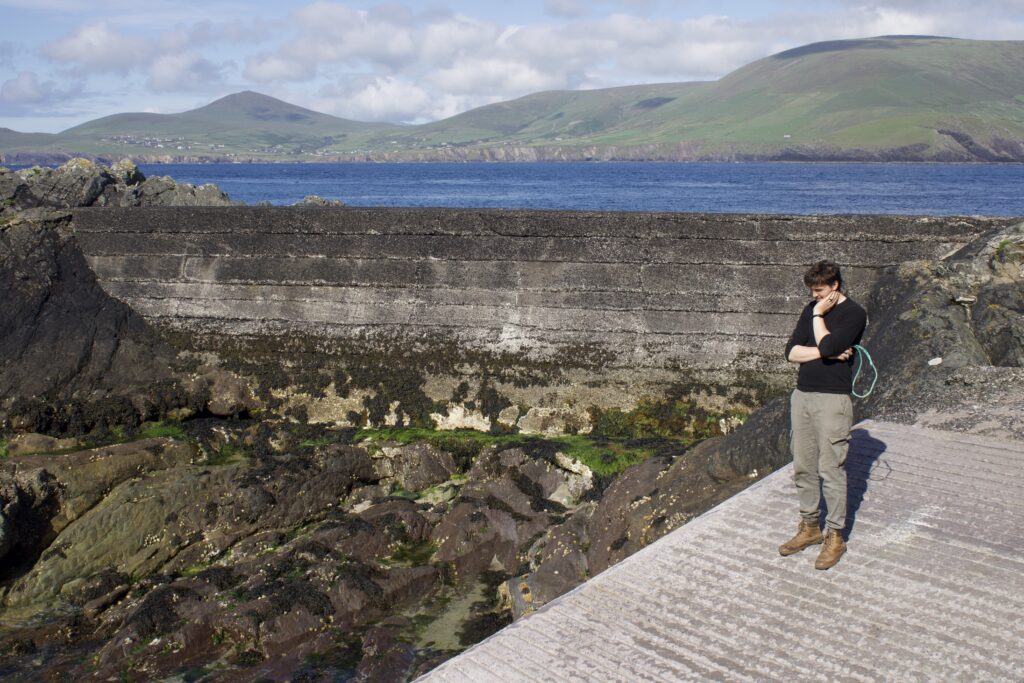
The show’s title, On The Edge And In-Between, reflects the Great Blasket in both a literal and broader sense. The island sits on the edge of Europe and, in many ways, on the edge of mainstream life. But there is also a unique mix of public ownership and private enterprise – from the Office of Public Works to the island’s private landowners, shepards and skippers. “That’s what makes the place so dynamic. We were in between the different communities of the past and future both as participants and observers of life on the island, and I wanted to timestamp our experience of it”.
That timestamp is personal too. The Boats Leave depicts the couple running naked down an island path, capturing the “ultimate freedom” they experienced as caretakers once the day’s visitors had departed. Hayes describes it as a “sense of abandonment” and a rare opportunity to experience the island entirely to themselves. “The exhibition isn’t just about island life but also our lives, and the sense of capturing a moment in time before disappearing down the path of our own future,” he says. “A bit of cellulite aside, we are as young as we’ll ever be. It timestamps us too.”
On the Edge and In-Between encapsulates a 21st-century Great Blasket caught between its cherished past and embracing what its future may hold.