How One Photographer Preserved the Golden Years of Irish Nightlife
Words: Izzy Copestake
Images: Brendan Duffy
Between the years of 1997 and 2002, Ireland was experiencing unprecedented levels of economic prosperity. Pockets were fuller, as were the dance floors. The Celtic Tiger was about to get into full swing, and it was during these years that Brendan Duffy was photographing Ireland’s thriving nightlife scene across the country.
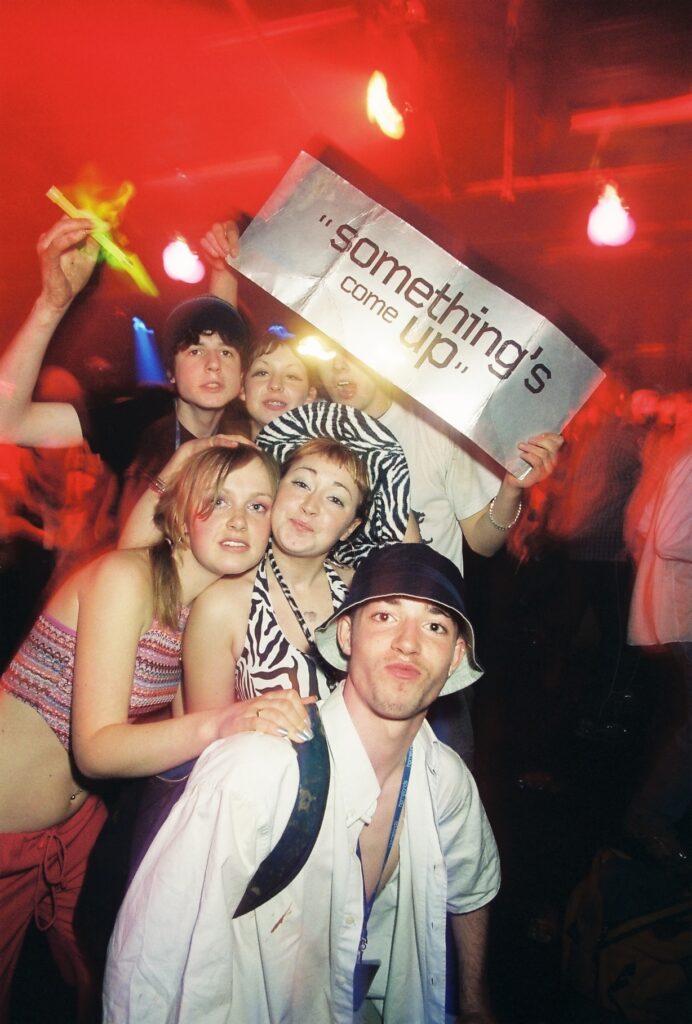
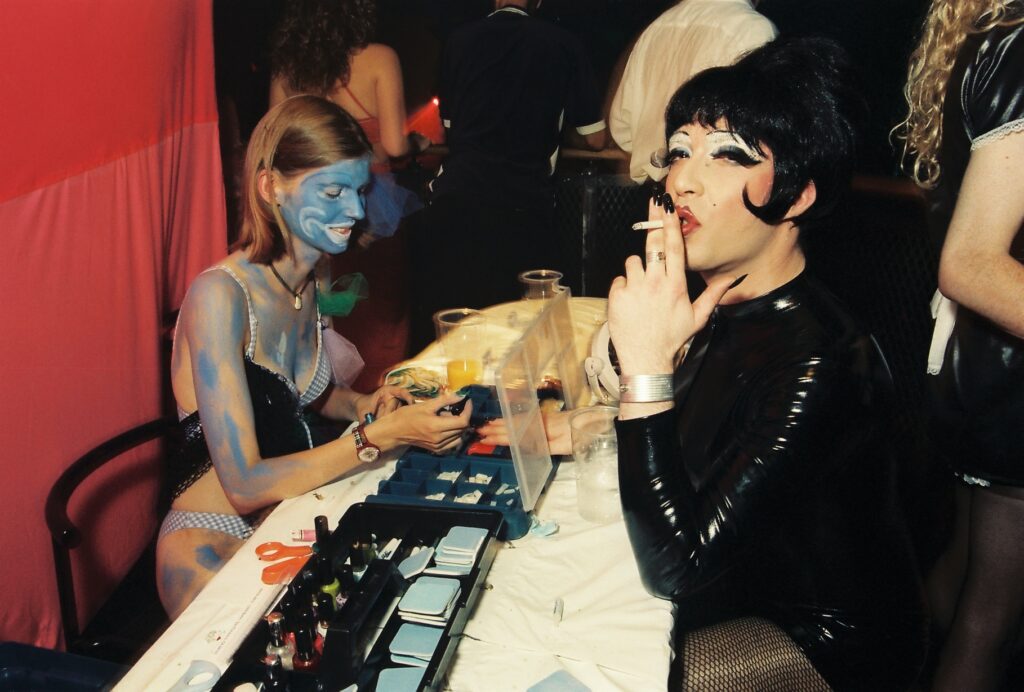
Brendan would go on to continue photography for the guts of the next 30 years. However, recently, he’s started an Instagram account @only_camera_in_the_room to archive this unique time in Ireland’s nightlife history. With the arrival of the year 2003 came the dominance of the digital camera and the beginnings of the digital culture we know today. This, of course, also marked the end of analogue photography, and with it, the freedom to let go completely in a club before everyone carried a camera in their pocket.
We spoke to Brendan about what it was like to be in your early twenties during this time, the era’s music and drug culture, and the excess that defined nightlife during the Celtic Tiger.
Why did you make the account?
2 reasons really. With the help of a colleague we’ve scanned over 15,000 images over the last 2 years, so the Instagram account is helpful in terms of pulling an edit for the book together. It’s a case of revisiting the images again and again to see what jumps out and what people respond to. The account is a great way to engage with people who were clubbers at the time and can reminisce, and a brand new audience who never attended any of the clubs and gigs I photographed. Older clubbers are finding themselves in the images and a younger audience are finding pictures of their parents!
“Older clubbers are finding themselves in the images and a younger audience are finding pictures of their parents!”
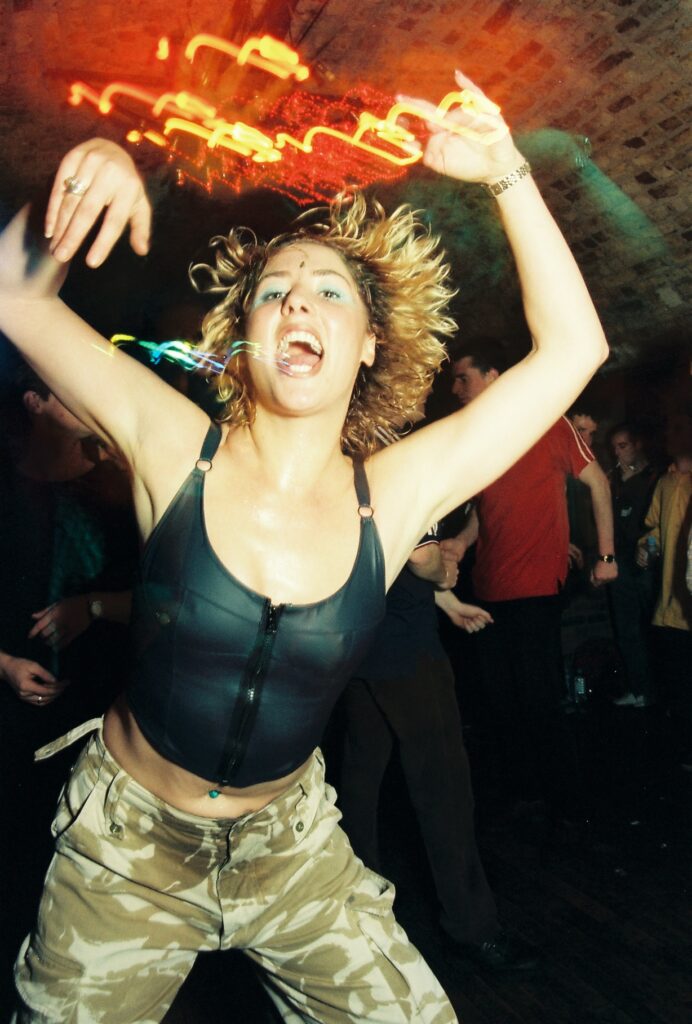
While it’s archiving my own work, it’s also an insight into a part of Irish social and cultural history that wasn’t well documented at the time. The archive is fairly unique in terms of I was one of the few people documenting club culture across the whole island during those golden years.
“While it’s archiving my own work, it’s also an insight into a part of Irish social and cultural history that wasn’t well documented at the time.”
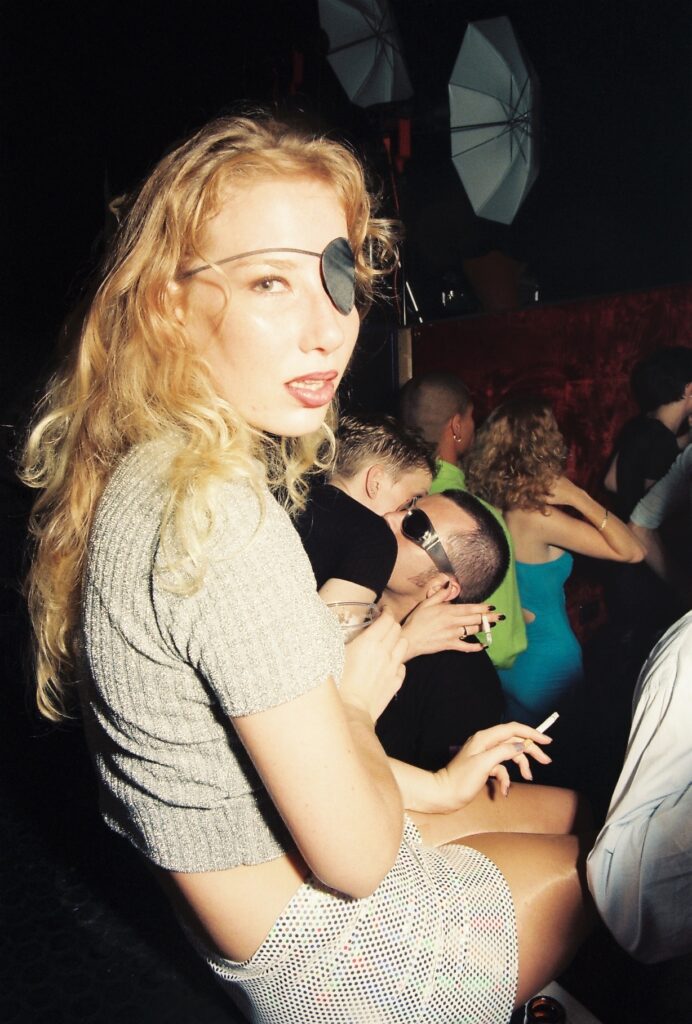
Why this time period, 1997–2002?
I started photographing clubs in 1997, always shooting on film. The project ends at 2002 as I changed over to digital photography at the end of that year, so there’s a rawness and immediacy to the images that didn’t exist with the appearance of digital photography. You simply couldn’t self edit on a shoot when you had a film camera as opposed to a digital camera, where if you saw an image you didn’t like or was technically off, you could delete it on the spot and keep shooting. That was the magic of shooting on film, no one saw the image until it appeared in a magazine, maybe a few weeks later. It’s hard to imagine now, with everything so instant!
“That was the magic of shooting on film, no one saw the image until it appeared in a magazine”
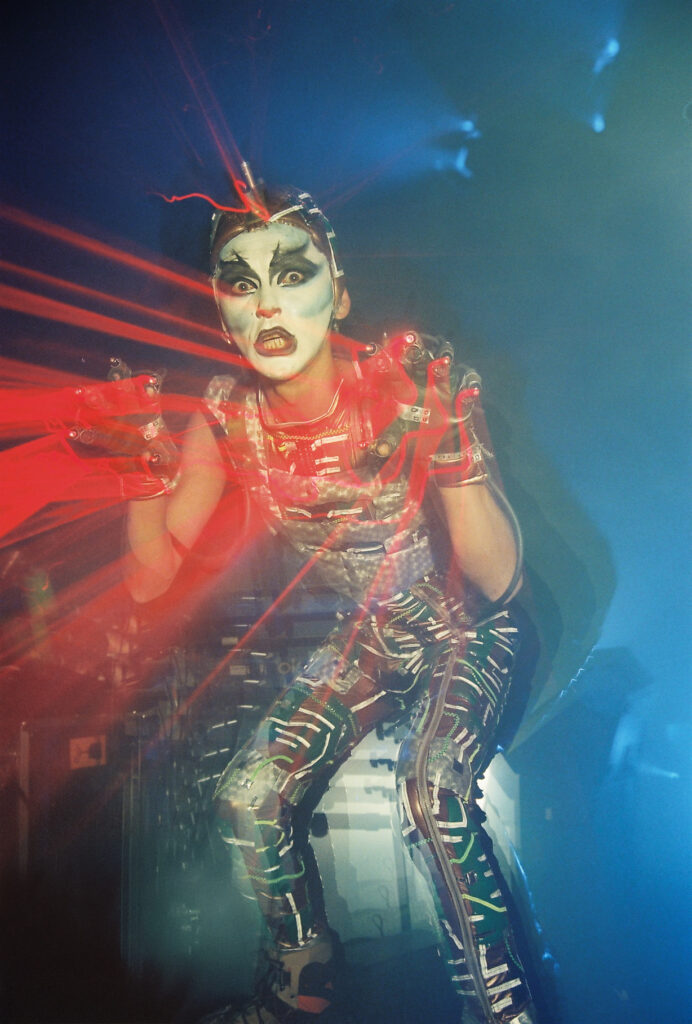
The Celtic Tiger was from 1995–2007. This account documents club culture during that time. Can you talk to me about what characterised club culture when the economy was growing so rapidly?
I suppose what characterised club culture at the time was the variety of clubs available to go to on most nights especially in Dublin, but cities like Cork, Galway and Belfast had multiple venues. Most of these venues just don’t exist anymore, which is sad when I think about it.
“I suppose what characterised club culture at the time was the variety of clubs available to go to on most nights especially in Dublin, but cities like Cork, Galway and Belfast had multiple venues.”
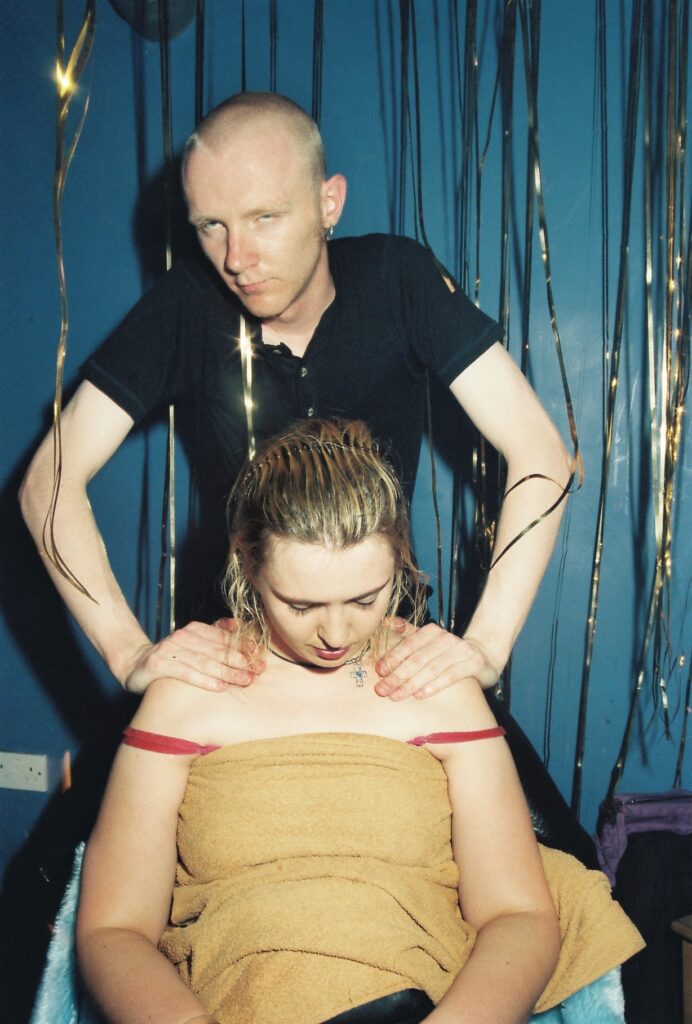
Pretty much every night there was a good club night in Dublin. For example, the Globe bar and Rí Ra had Strictly Handbag on a Monday night which was a great night out as many weekend workers (bar and restaurant staff) would head along to let off some steam. Different clubs in different venues were all vying to be the best club night on their particular night.
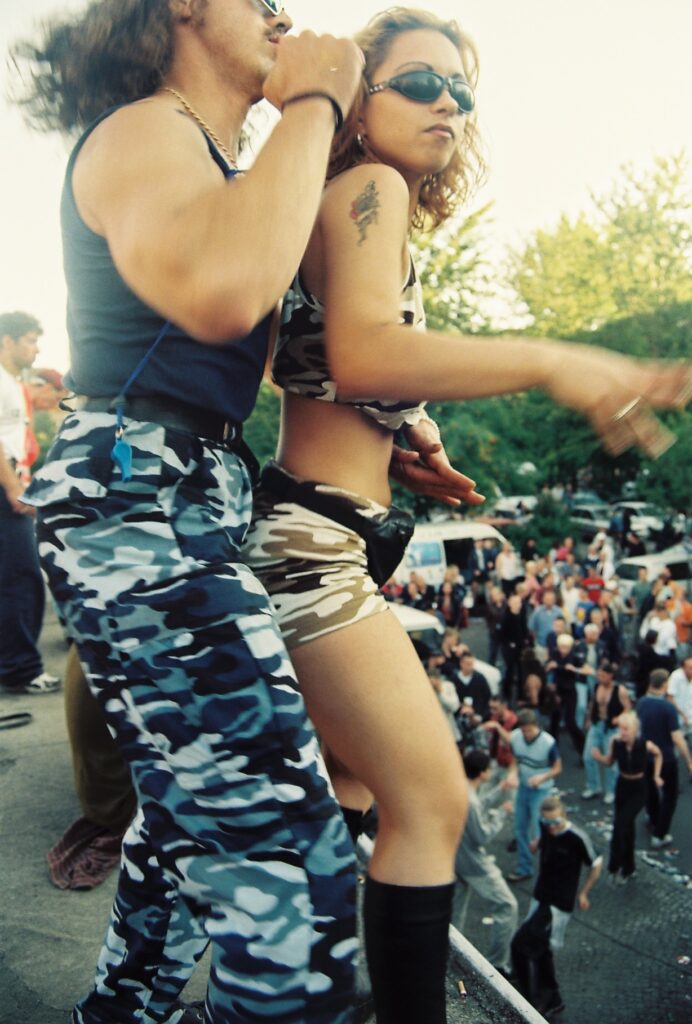
While we didn’t have much money at the time, entry fees were cheap and there were always drink deals on offer. I was lucky in some sense in that I got to know promoters being a photographer and would more often than not get on the guest list, whether I was working or not. But between club nights and gigs in general, you could be out every night of the week if you had the cash and the energy.
“Between club nights and gigs in general, you could be out every night of the week if you had the cash and the energy”
What were the defining features of a Celtic Tiger nightclub?
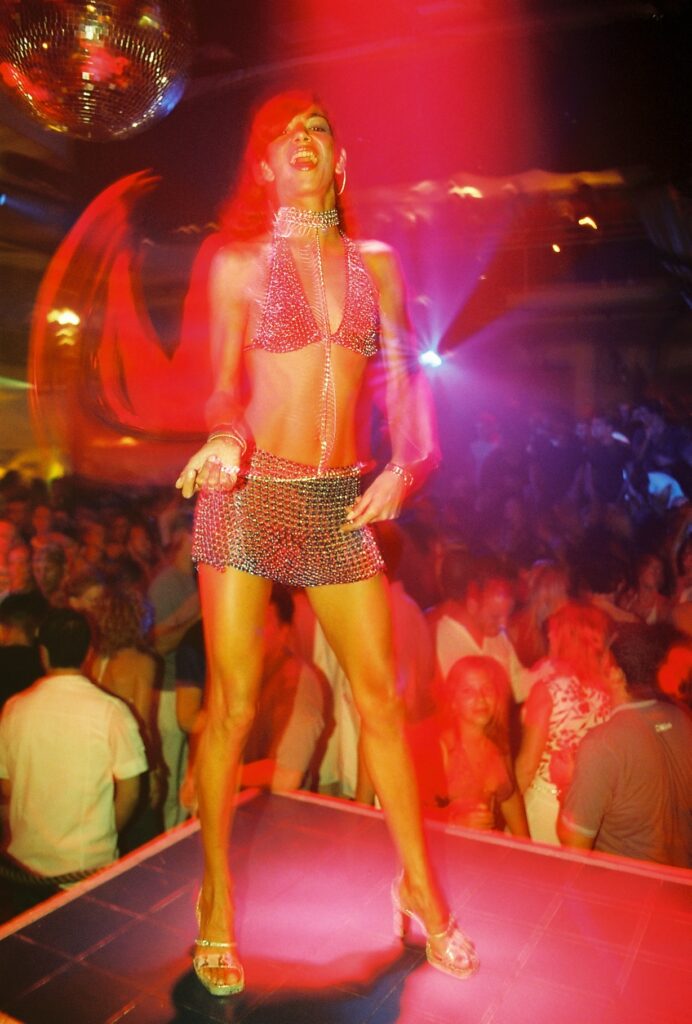
Definitely the VIP tables! This was like a first class upgrade on an plane.
Do you have any memorable Celtic Tiger stories of excess that you witnessed while photographing nightclubs?
A few stories come to mind.
One memorable night (23 May 1998) I was photographing for Scottish music magazine M8 at a club night in Dungannon, Co. Tyrone. There were usually a few free drinks available but on this particular night the champagne was flowing much more freely, with the promoter walking around with many bottles and pouring drinks for his group of friends and us from the magazine. When I enquired what the celebrations were for, I was told the promoter was a big Arsenal fan and had collected his winnings as Arsenal had just won the double of Premiership and FA Cup victories. He had put £1,000 on the team at the start of the season of odds of 36/1! £36,000 was a lot of money back in 1998.
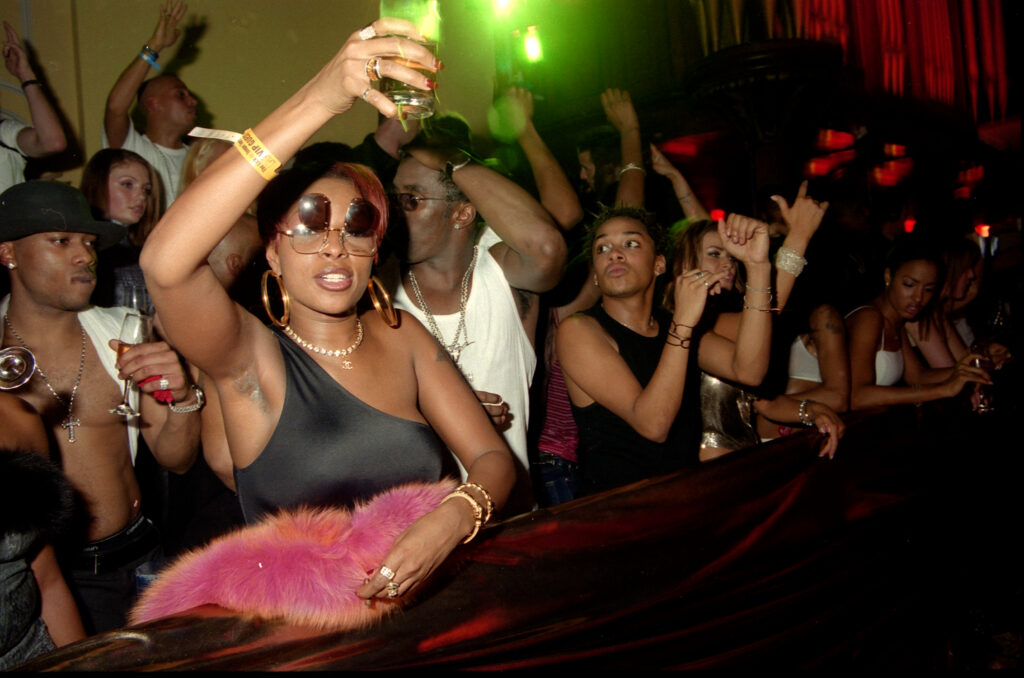
The night of the MTV Europe Music Awards in Dublin on 11 November 1999 was another memorable night. I was photographing the MTV Lick Afterparty in the Temple Theatre where a host of stars showed up including Whitney Houston, Bobby Brown, P Diddy, Missy Elliot and Mary J Blige. Lots of champagne and God knows what else everywhere. Myself and a buddy of mine ended up hanging out with Whitney Houston’s bass player until the early hours.
“Lots of champagne and God knows what else everywhere. Myself and a buddy of mine ended up hanging out with Whitney Houston’s bass player until the early hours.”
For sheer decadence, Manumission at Privilege in Ibiza was the place to be. Privilege was a massive club that held 10,000 people and Manumission was as much about the show as the music. There was everything from dance troupes to acrobats to simulated sex shows. There was even a swimming pool in the middle of the club!
You get a real sense that the subjects are not intimidated by the camera. As a photographer, why do you think that is? Has it changed now? Is it because it was a pre-smartphone era?
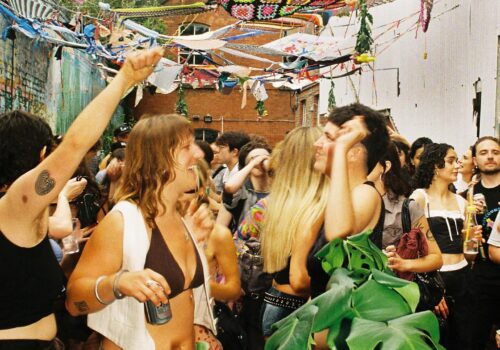
A camera in a nightclub was a novelty for most people, so most enjoyed the idea of being photographed and weren’t intimidated. Social media just didn’t exist at the time so there was no fear of a whacky picture of you ending up online that night. You might see your picture in a magazine in a few week’s time if you were lucky.
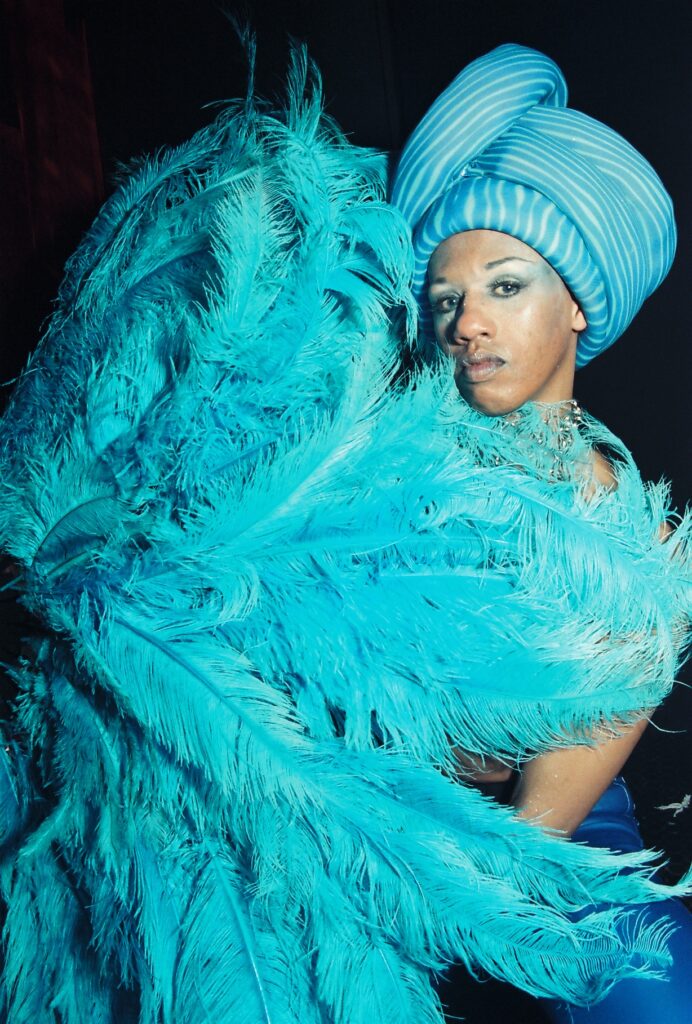
Over the years, some of the clubbers got to know me and were happy to have their picture taken.
I haven’t taken pictures in a nightclub in a long time so have no idea what it’s like nowadays. It would be a thrill to shoot a show again if anyone wants to hire me!
What was party drug culture like in Ireland at that time?
When I first moved to Dublin in 1991, everyone was taking acid and mushrooms, and smoking hash. Ecstasy started to appear a lot more in mid 90s as club culture grew. By the end of the decade, cocaine was becoming much cheaper than it had been and therefore more popular. So I suppose you could say Ecstasy, MDMA and cocaine were the drugs of choice during the Celtic Tiger era.
“So I suppose you could say Ecstasy, MDMA and cocaine were the drugs of choice during the Celtic Tiger era.”
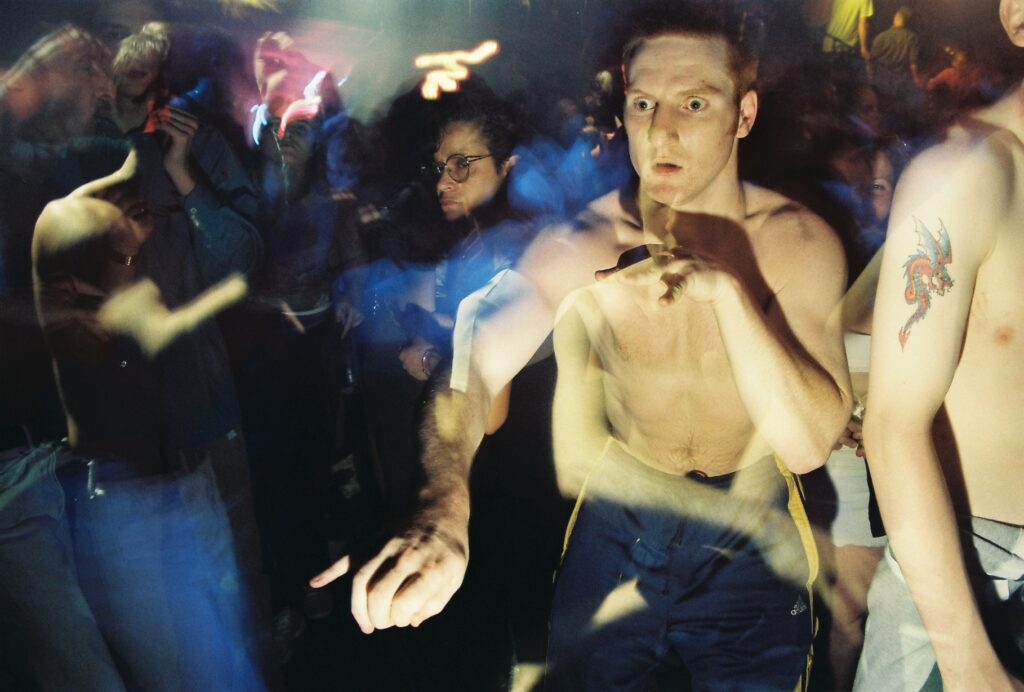
What was house party culture like at the time?
Most house parties happened spontaneously after a club night, where you would just get an address and a few people would pile into a taxi and head there. It was usually a chance to find more alcohol as the bars would have closed so you’d be hoping where ever you ended up, there’d be a few cans or bottles lying around, or something stronger. It could be shit, it could be good but the sense of adventure always prevailed.
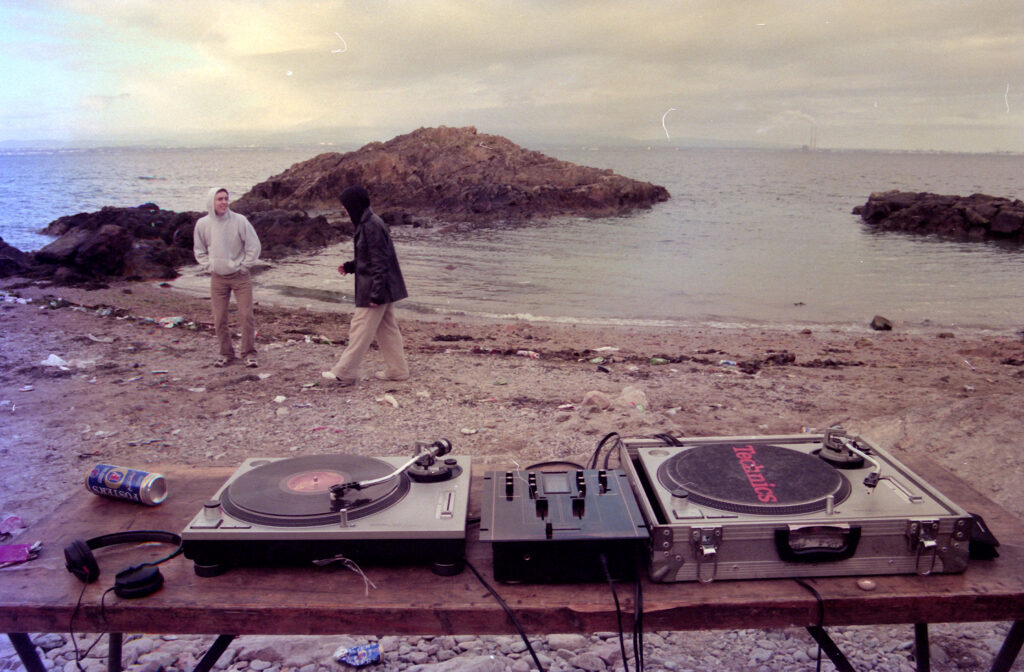
The bigger house parties would be more organised usually busing people to a location with a DJ, with an entry fee and transport already pre paid. The policy was usually BYOB and BYOD, but the culture of sharing was fairly normal and the way to make friends.
Musically, who was dominating the Irish party scene at that time?
A number of promoters all appeared around the same time in Dublin in the mid 90s such as Quadraphonic, D1 Records and Blue. Personally, promoters Influx had a big influence on my career in those early years, with Johnny Moy and Paul Davis getting me in to photograph international acts like Carl Cox, Underworld and the Chemical Brothers, and introducing my images to some of the UK magazines. DJ Johnny Moy did a lot for the club scene in Dublin in those early years, he was well connected and great fun to hang out with.
“Personally, promoters Influx had a big influence on my career in those early years, with Johnny Moy and Paul Davis getting me in to photograph international acts like Carl Cox, Underworld and the Chemical Brothers”
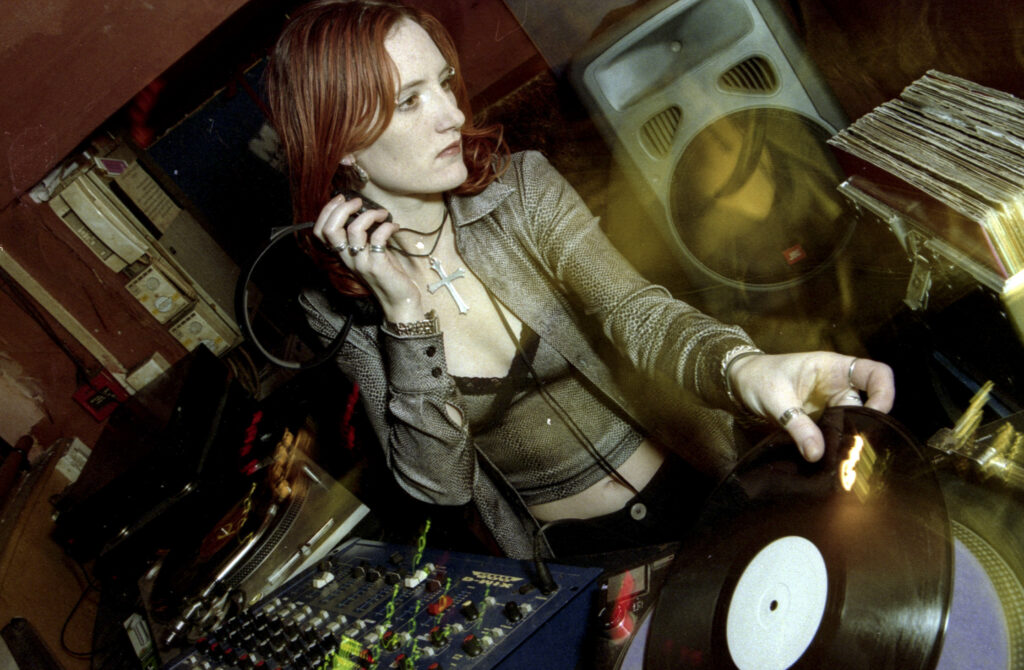
Some of the great DJs such as Billy Scurry and Aoife Nic Canna who played back then are still playing now thankfully. The late John Reynolds and POD promotions were very influential back then bringing festivals such as Homelands to Ireland, as well as their own club nights.
What were the unwritten rules of photographing people in clubs?
The same then as now, just to be respectful and if someone didn’t want their picture taken, you didn’t take it.
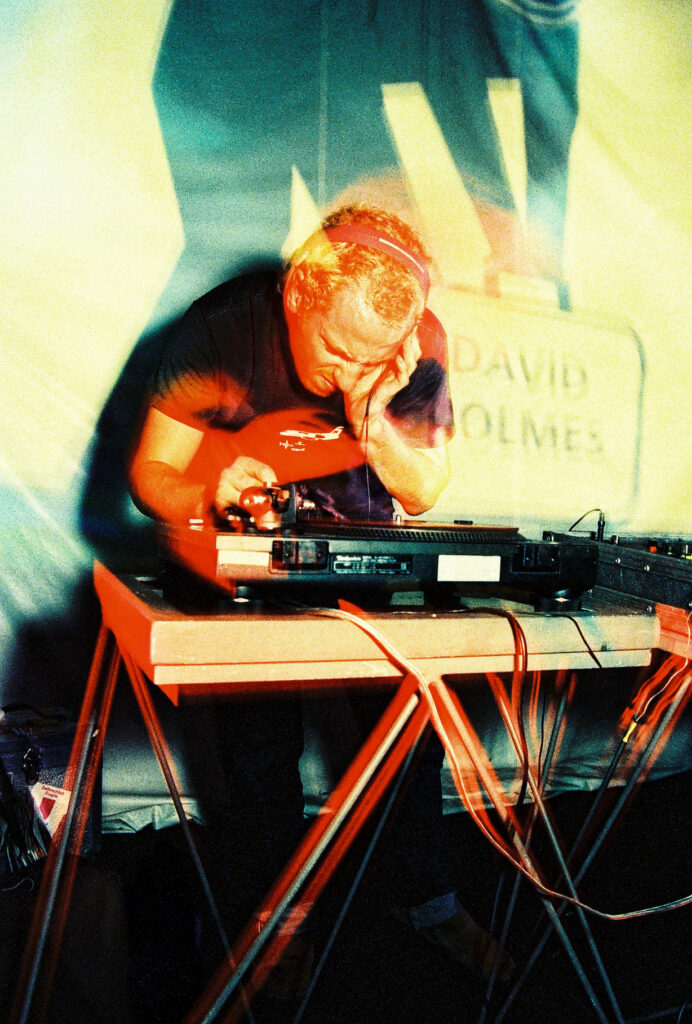
The briefs from the magazines were usually the same and fairly straight forward, capture a fun night out with pics of pretty girls and cool shots of the DJ(s). If there was some kind of show or podium dancers, you would capture all this as well.
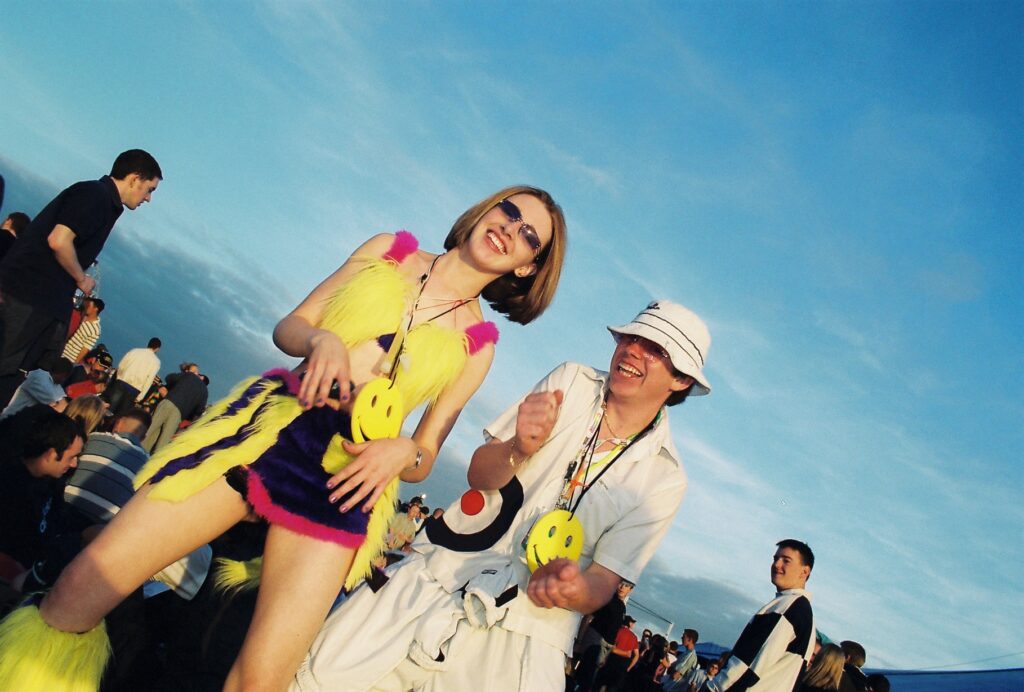
“More often than not, especially down the country, when people saw me with the camera, they would engage in bit of craic/banter and you’d usually get a posed shot of them”
More often than not, especially down the country, when people saw me with the camera, they would engage in bit of craic/banter and you’d usually get a posed shot of them or a few set up shots on the dance floor near the club’s lighting to get a more atmospheric shot. While I was a bit shy when I was younger, the camera was like a “passport” to breaking the ice and having a conversation with someone, and getting the shot.
What did a typical Saturday night look like for someone in their early twenties in 1999?
Was it ever typical. You’d probably start off in your flat with a few drinks, maybe a smoke. Grab the bus for town and meet your mates in the pub. After a few pints, you’d probably end up arguing with your mates about which club you would go to, such was the choice. Hit the club, score some pills, drink, dance, kiss, have the night of your life.
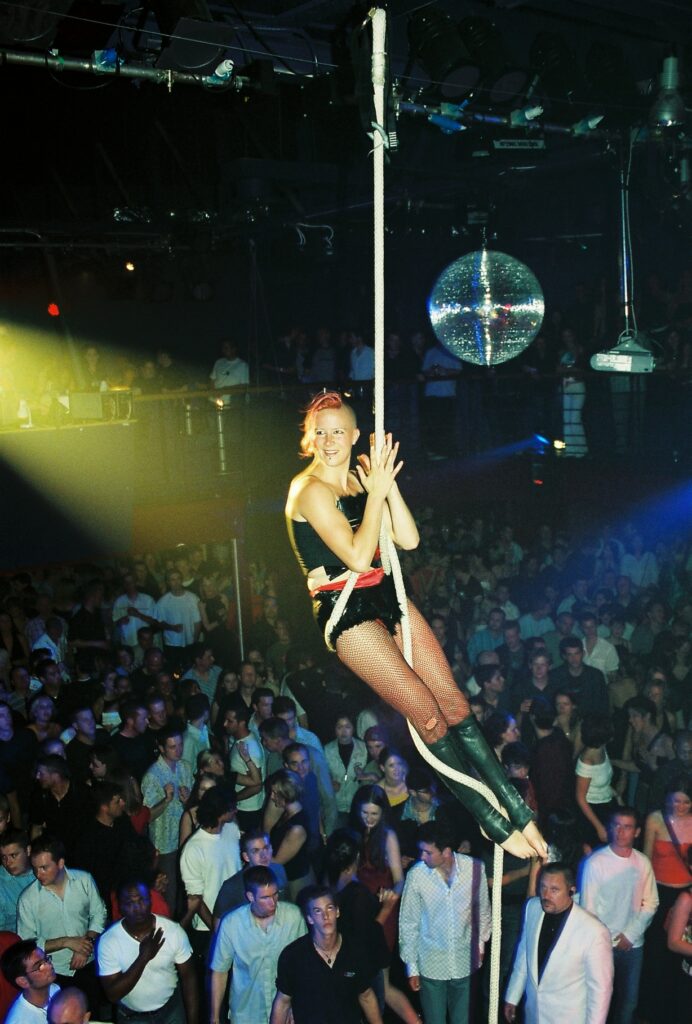
“After a few pints, you’d probably end up arguing with your mates about which club you would go to, such was the choice. Hit the club, score some pills, drink, dance, kiss, have the night of your life.”
Get wind of a house party…size up the options, was it far? Any drink there? Probably head anyway. Eventually get home and sleep off your Sunday.
Why is the account called Only Camera In The Room?
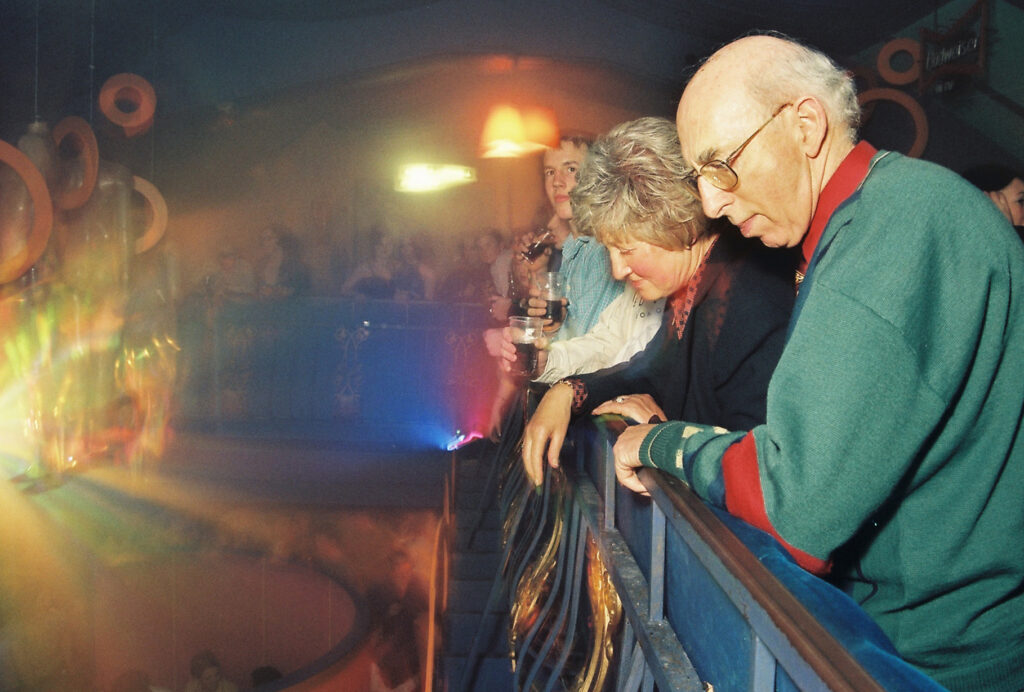
I was searching around for a name and nothing really clicked. Then a chance conversation with a bookshop owner from Maynooth I know, when I started telling him about the project and plan to make a book, and that I was “usually the only camera in the room” when I was shooting back in the day, he remarked “there’s the title of your book”. The more I thought of it, the more of I liked it and people have responded to it. I suppose it’s a name that reflects a time before smartphones, and indicates photography or image making. The sound of it is slightly subversive which appeals to me.