Why Has Japan Fallen in Love With Irish Traditional Music?
Words: Rachel Hannon
‘Natsukashii’ is a Japanese word meaning nostalgia. The Japanese people believe nostalgia doesn’t just remember the past, it keeps it alive. Which might explain why there has been such an uprising of Irish music in that culture. The recognition of these spiritual sounds, mysticism, and deep rooted history is something that resonates deeply with them. Now, you can hear Irish music echoed through the streets of Tokyo. It’s soundtracking anime, filling pubs and festivals, and even appearing on advertising. It’s now deep in their culture, and the connection goes back further than you might think.
For many Japanese musicians, their first encounter with Irish music came through global cultural moments. From Bill Whelan’s Riverdance to the global popularisation of The Chieftains, this style of music started to seep into their world.
A Japanese promoter named Keiko Kawashima once first heard The Chieftains’ soundtrack for Stanley Kubrick’s 1975 film Barry Lyndon. This included their haunting track “Women of Ireland” (Mná na hÉireann), defining. That moment sparked something lasting in Kawashima, leading to her setting up Féile Tokyo, a now-annual gathering of musicians and dancers from across Japan.
But it doesn’t stop there. Today, there are Irish trad sessions everywhere in Japan. Whether it’s in Irish pubs or organised gatherings of intrumentalists, uilleann pipes, fiddles, and tin whistles are a common sight. And it’s not just living in the pubs. In Japan, Irish music is found in TV jingles, sold and played in MUJI stores, soundtracks video games like Super Mario Bros and Final Fantasy, and is increasingly being featured in anime. Studio Ghibli’s Toshio Suzuki and director Mamoru Oshii famously visited the Aran Islands in 1988, drawing inspiration from Ireland’s landscapes. An influence that can be seen across their works.
Let’s take a look back even further. Writer Koizumi Yakumo born Patrick Lafacadio Hearn is a renowned Irish writer who is barely known in Ireland, but his books from the late 19th century are considered national treasures in Japan. Raised in Rathmines Dublin, he translated Japanese ghost stories, folklore, and traditions for the Western world.
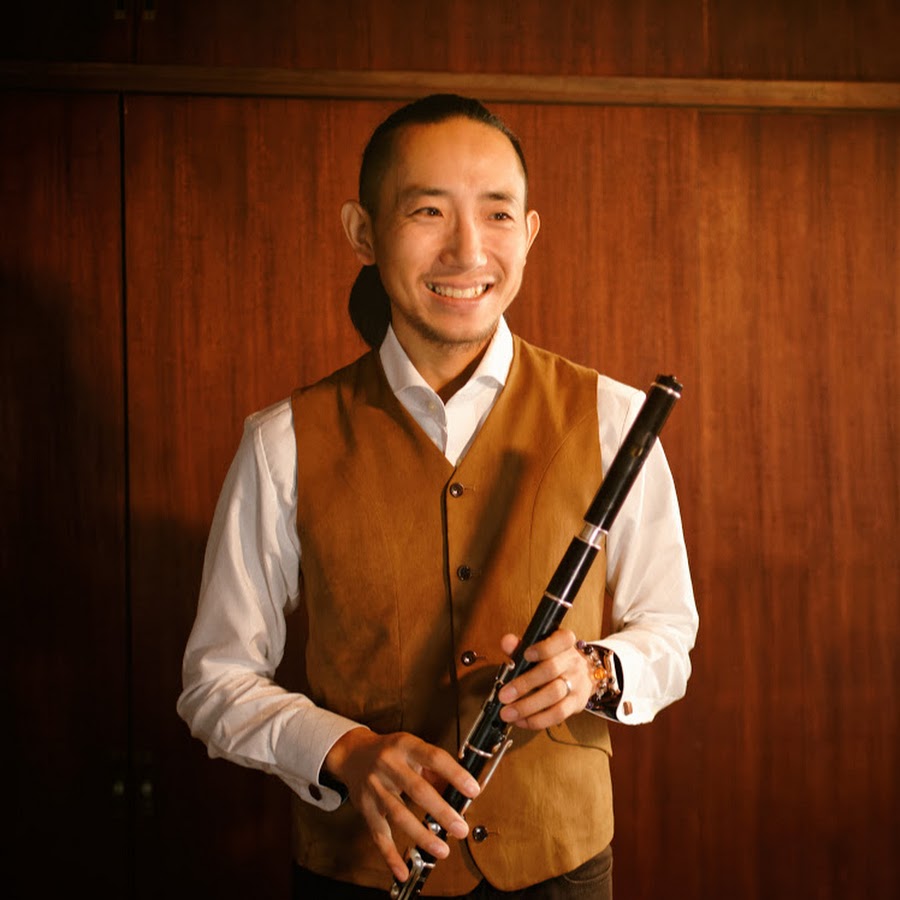
It’s cultural crossovers like these that prove it’s not just about the music. It’s about a shared way of seeing the world. Artists like Kozo Toyota have built entire communities around Irish trad, by forming university clubs and eventually national festivals. Many artists like him, started off playing classical, until irish music changed their world. He often speaks of how his brother started tapping along with his chopsticks on his rice bowl and his mother played the guitar when he first began playing jigs and reels at home. He found the genre to be much more collaborative than his previous experience of the classical style. Irish traditional playing is communal. It’s not about perfection, it’s about participation. And this participation is growing.
@endascahill_banjo Japanese band O’Jizo play brilliant Irish music. Delighted to join them fir a quick tune! #banjo #flute #guitar #bouzouki #music #japan #ireland #irishmusic ♬ original sound – Enda Scahill Banjo
Japanese festivals like Celtic Christmas bring together massive sessions. Over the years, Irish traditional bands like Altan we’re even gathering larger crowds of up to 8,000 people in Japan – larger than the crowds in Ireland.
So why has Japan fallen in love with Irish music? Maybe it’s because Irish trad’s pentatonic melodies are similar to Japanese folk music. Or maybe there’s something more intangible at play here. The nostalgic element is something of a cultural crossover. This longing for home and memory in Irish music is clearly resonating.
Both cultures also hold a strong connection to nature. The link between Shinto people and Celtic mythology is uncanny. These two worlds are spiritual and share huge respect for the environment. They’re shaped by landscape, story, and ritual. This bleeds into music.
Now, the celebration of cultures is flowing both ways. Japanese bands like Pinch of Snuff are touring Ireland and busking on Dublin streets. The likes of Kozo Toyota is playing major Irish festivals like Tradfest, and more and more younger Japanese students are travelling to Ireland after years of immersing themselves in trad sessions at home.
In Japan, the past is never really gone, it co-exists with the present. Maybe that is why ancient Irish music has found a second home there. It’s music that is felt, remembered, and celebrated. The true meaning of natsukashii.