Why Are Olympic Figure Skaters Having Music Rights Issues For Their Routines?
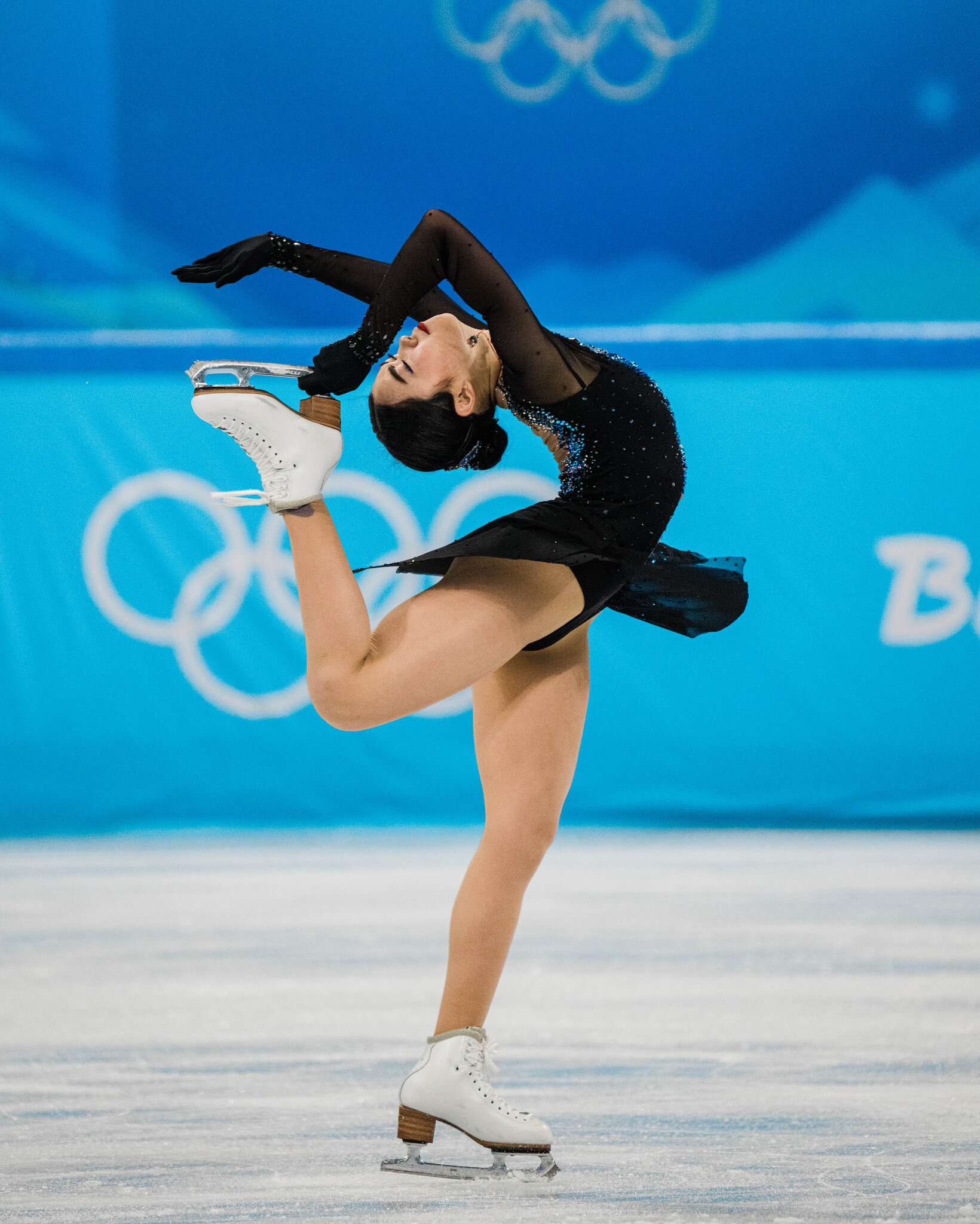
Why Are Olympic Figure Skaters Having Music Rights Issues For Their Routines?
Words: Rachel Hannon
Photo: Gabriela Bhaskar
At the Milan Cortina 2026 Winter Olympics, international figure skaters have been forced to change their routines because they didn’t have legal permission to use their music.
Russian skater Petr Gumennik had to scrap the program he’d trained with all season after discovering he didn’t have copyright clearance. American skater Amber Glenn was publicly questioned by a musician who said she used his song “without permission.” Spain’s Tomás-Llorenç Guarino Sabaté nearly lost his routine entirely after struggling to secure rights to music from Minions, with approval only coming at the last minute.
Skating Union president Jae Youl Kim told the Associated Press: “It is a very serious problem… We don’t want athletes to be worried about the music.”
Basically, it comes down to how figure skating is legally classified. Unlike background music at stadiums, skating routines are considered choreographed performances. This means that athletes and their teams must secure licenses from both the songwriters and the labels before competing. Especially because these Olympic routines are broadcast around the world.
As licensing expert Chantal Epp puts it, “If you were going to use a piece of music, edit it, or adapt it into a mix to accompany your routine, put choreography with your music, then you need to seek permission for a license from the owners of that music.”
“You have the master side, which is the record label, like the artist singing a song…And then you have the publishing side, which is the writers covering the written lyrics and melodies of the music. And then you have the publishing side, which is the writers covering the written lyrics and melodies of the music.”
For decades, skaters primarily used classical music, which was free to use. This was because most classical compositions are in the public domain, because there was once a lyric ban for figure skating music, and because of the emotional peaks in this style of music which naturally suited the routines.
But since the rules of the lyric ban changed in 2014, more athletes began using pop and film soundtracks. As a result, these copyright laws made their way directly onto the ice rink. The reality is simple: losing the rights to the music can mean losing your whole routine.


