Ireland’s Ballroom Scene Is Coming Into Its Own
Words: Sarah McKenna
“Having community spaces like this is more important than ever, because at the end of the day, all we really have is each other. In a world where the powers that be want you to be depressed and feel alone, we offer a space where you can walk with community members, win a prize, be yourself and live out a fantasy on the floor.”
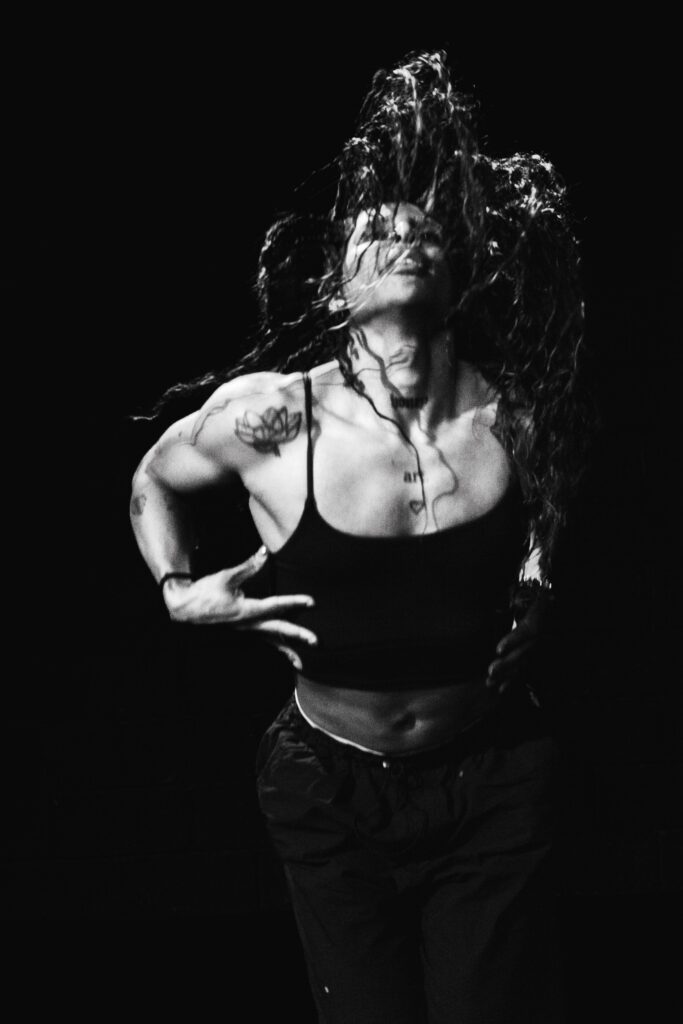
In her 1990 documentary Paris is Burning, Jennie Livingston shone a light on what was previously an underground culture: the ball scene of New York City. Run predominantly by Black and Latine queer folks, the film captured their vibrant events against the backdrop of discrimination, homophobia, transphobia and the HIV/AIDS crisis. Later, RuPaul’s Drag Race and Pose brought ball culture into the mainstream, and as new audiences discovered the scene, ball collectives began popping up worldwide, and Ireland was no exception.
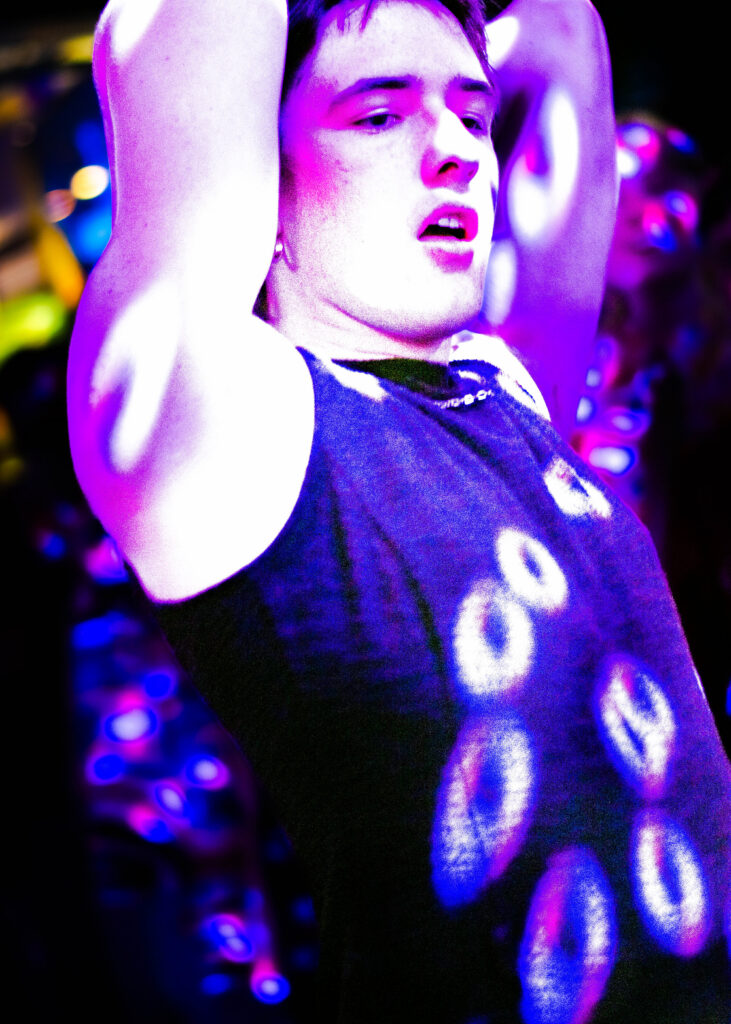
The Haus of Schiaparelli, Ireland’s first active Kiki house, has been a mainstay of Dublin’s LGBTQ+ community since 2023, while a brand new collective, the Haus of Saint, is gearing up for its debut; a summer kiki ball – set to take place in the Smock Alley Theatre on June 26th.
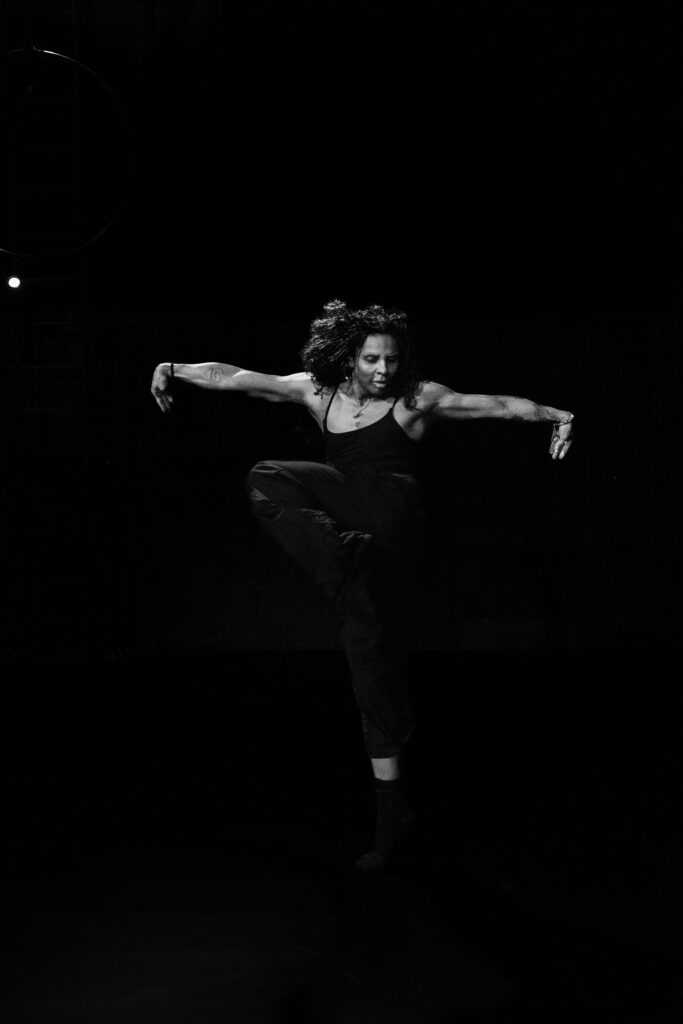
Like their legendary predecessors of the New York scene, an Irish ballroom event is a blend of dance, modelling and pageantry. Participants compete by ‘walking’ in various categories, often in elaborate costumes as they pepper their runway strut with choreographic elements, such as vogueing or waacking.
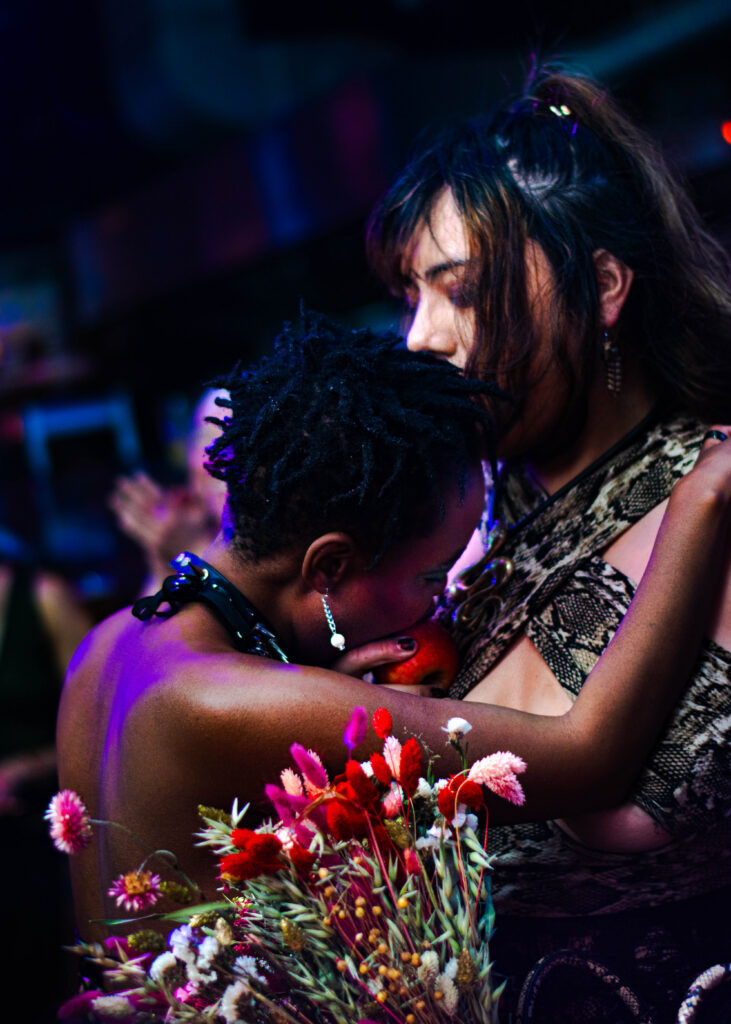
These ball events, or ‘kikis’, form just one part of a Haus’s operations. Behind the scenes, Haus ‘parents’ carve out a unique identity for their collective.
The Haus of Saint takes inspiration from the spiritual realm, as Haus parent Mar Dias explains.
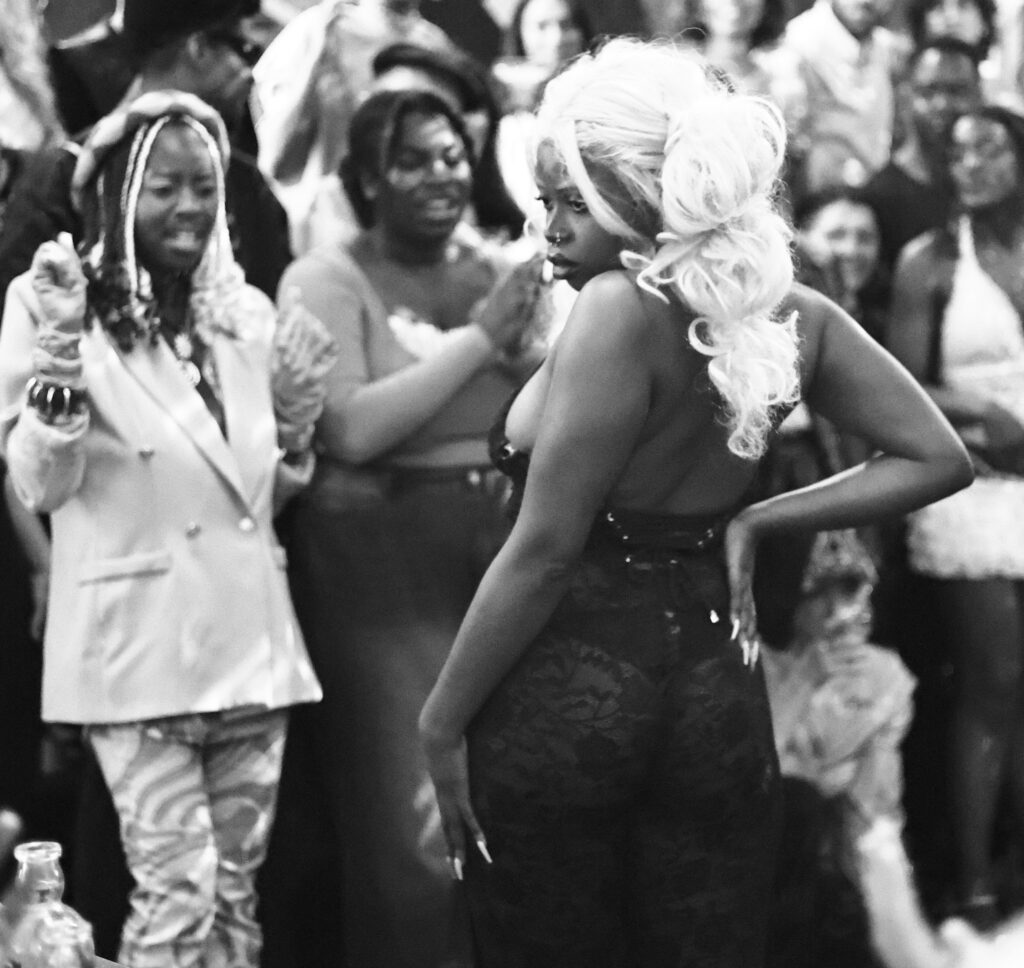
“We were formerly known as the Haus of Megatron, and we had a joke that we had been touched by an angel here and there, because we had interventions to enhance ourselves and our beauty,”
“We were formerly known as the Haus of Megatron, and we had a joke that we had been touched by an angel here and there, because we had interventions to enhance ourselves and our beauty,” Mar says. “It started as a joke, because we were adding and changing and mixing things, so we’re kind of like Megatron! But then, as the years passed, I just didn’t feel that the Haus of Megatron was reflecting who we have become. I’m a very spiritual person and Saint was a name I had been using for years professionally.”
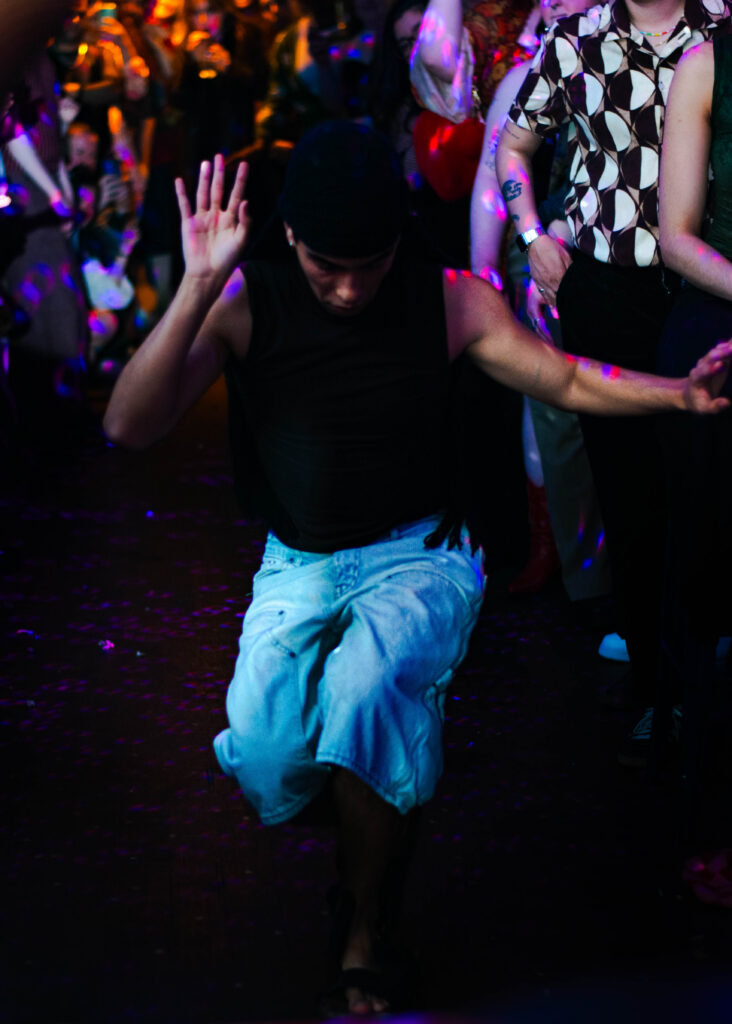
The Haus of Schiaparelli’s identity is connected to its namesake, the Italian designer Elsa Schiaparelli.
“Most ball collectives across the world are named after fashion houses and Schiaparelli was chosen for this Haus because she added a lot of surrealism and play to her work,” says Haus father, HEXCODE Poltergeist Schiaparelli. “She didn’t have formal training in design, she just had a vision.”
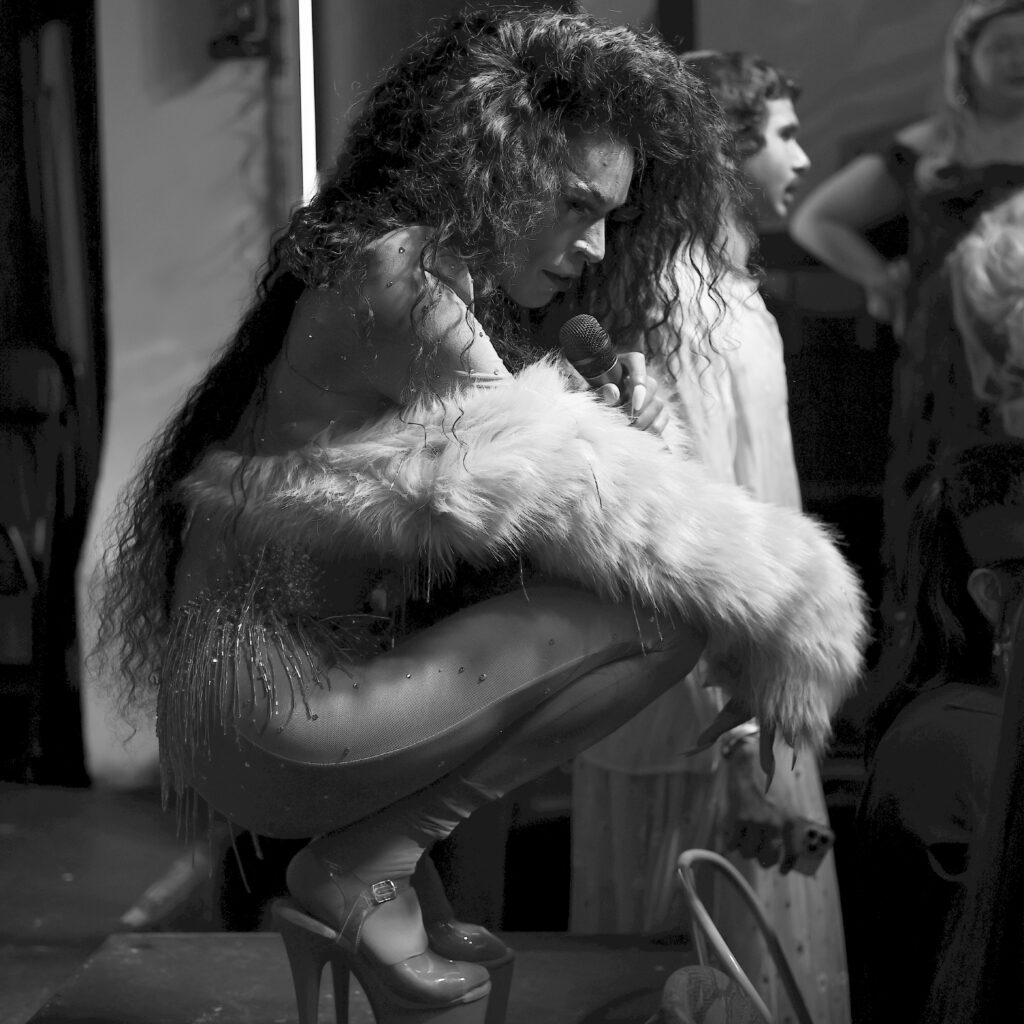
Both the Haus of Saint and the Haus of Schiaparelli follow a familiar structure, with the leaders identifying as parents of the collective.
“Back in the ‘80s, a lot of queer Black people were cut out of their family structures, so older people within the community took on a maternal role and helped them thrive within the community,” says Haus of Schiaparelli’s mother, Richard Joke.
“Back in the ‘80s, a lot of queer Black people were cut out of their family structures, so older people within the community took on a maternal role and helped them thrive within the community,”
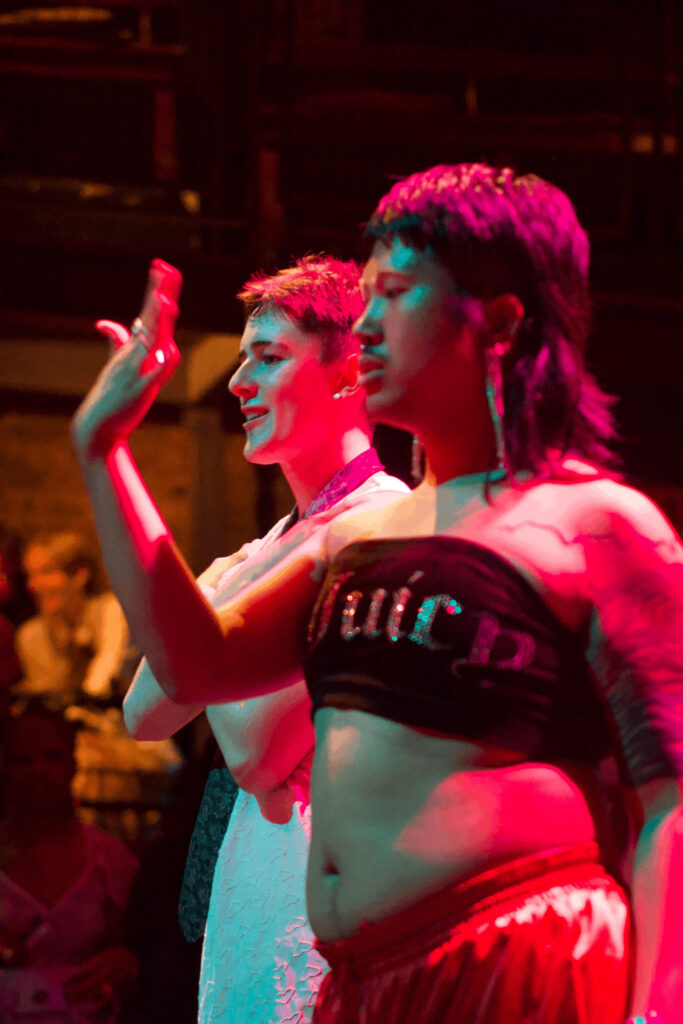
While today’s Haus parents may no longer need to provide shelter to younger members, they still play an important role in supporting and mentoring newcomers to the scene.
“I want to make sure everyone that comes in here, whether they’re a woman, a Black person, a disabled person, feels comfortable,” Richard says.”
“I want to make sure everyone that comes in here, whether they’re a woman, a Black person, a disabled person, feels comfortable,”
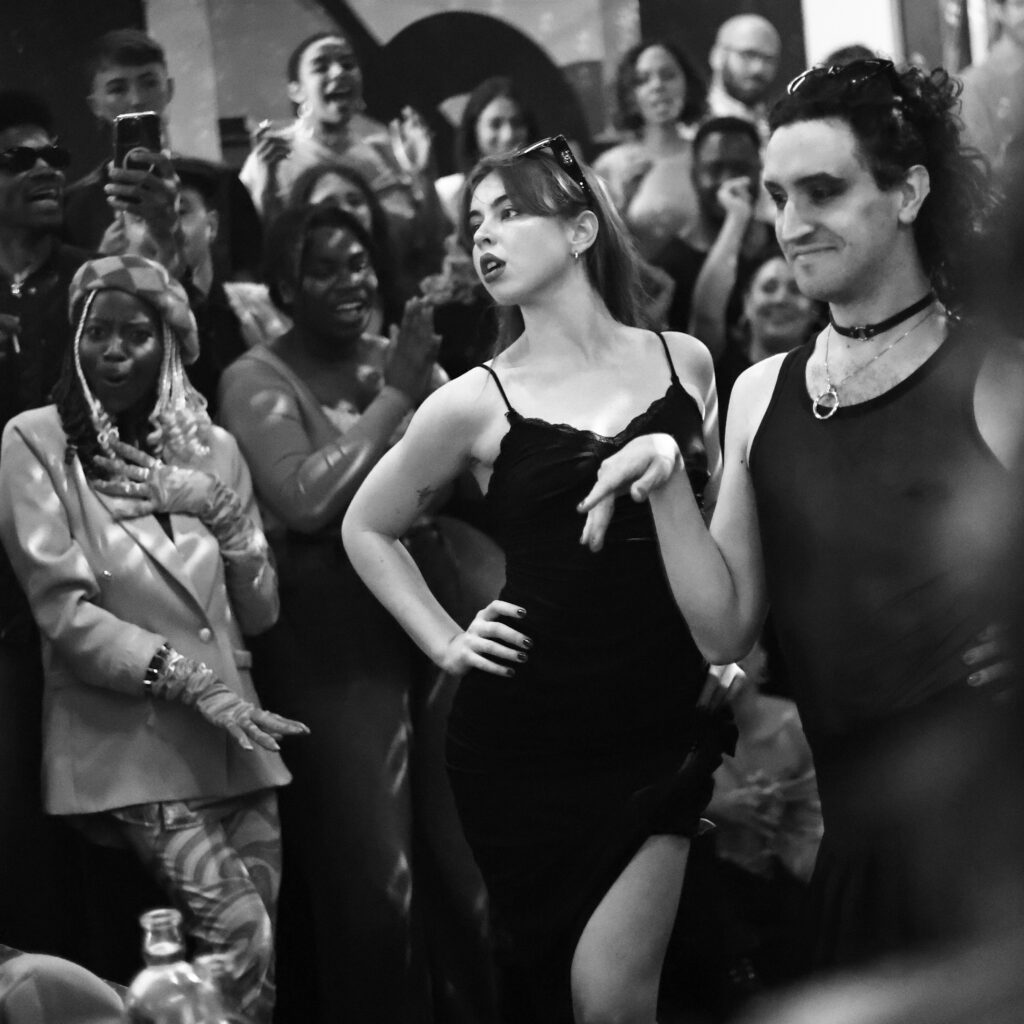
While they’re keen to pay homage to ball culture’s New York roots, the Haus of Schiaparelli also wants to put an Irish stamp on each of their events. Their most recent ball, for instance, celebrated Bealtaine, while their Christmas event was a ‘Kikín’, a riff on Kiki as Gaeilge.
“We’re about creating an Irish ballroom scene, and that balance is really important,” says HEXCODE. “But also, what’s kiki in Irish culture? It’s just having a bit of craic, you know?”
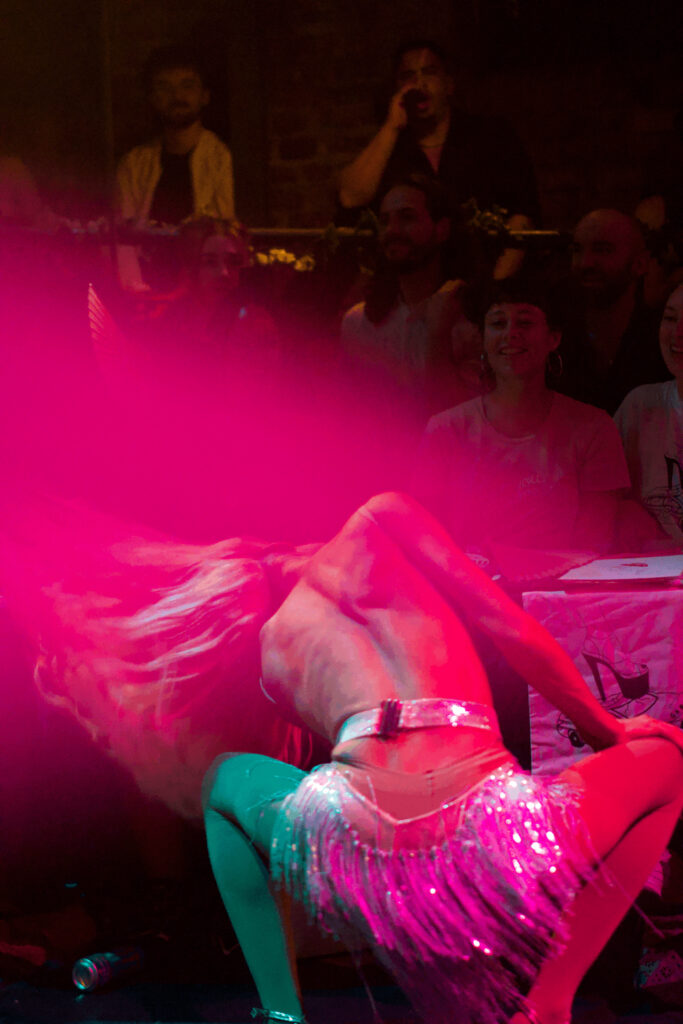
Facilitating fun is a crucial role of these collectives, but ball culture as a means of protest remains central to both the Haus of Saint and the Haus of Schiaparelli. “A ball is a party, but also a protest,” says Mar. “Balls were created because queer individuals of colour couldn’t access the same places that white queer individuals could access. So the ball was created to give us the stage and a space to celebrate ourselves.”
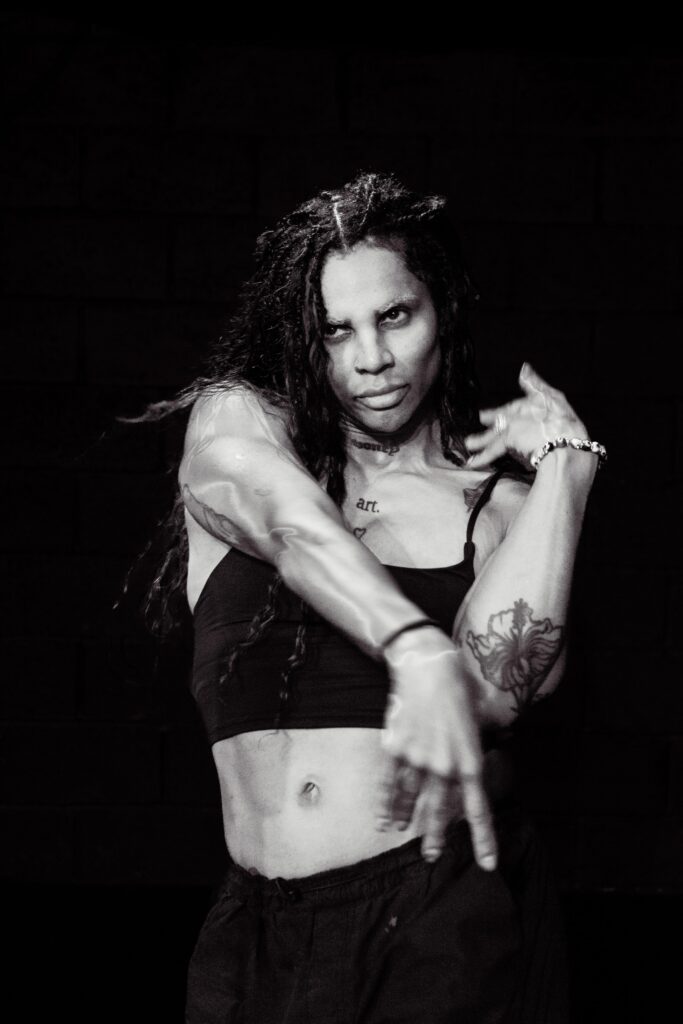
Tiberius, a member of the Haus of Schiaparelli, values the ball scene amid a landscape of rising racism, homophobia and transphobia.
“I think that globally, and we see it in Ireland as well, the political climate has gotten very far-right, and queerness is under attack, along with a lot of other identities,”
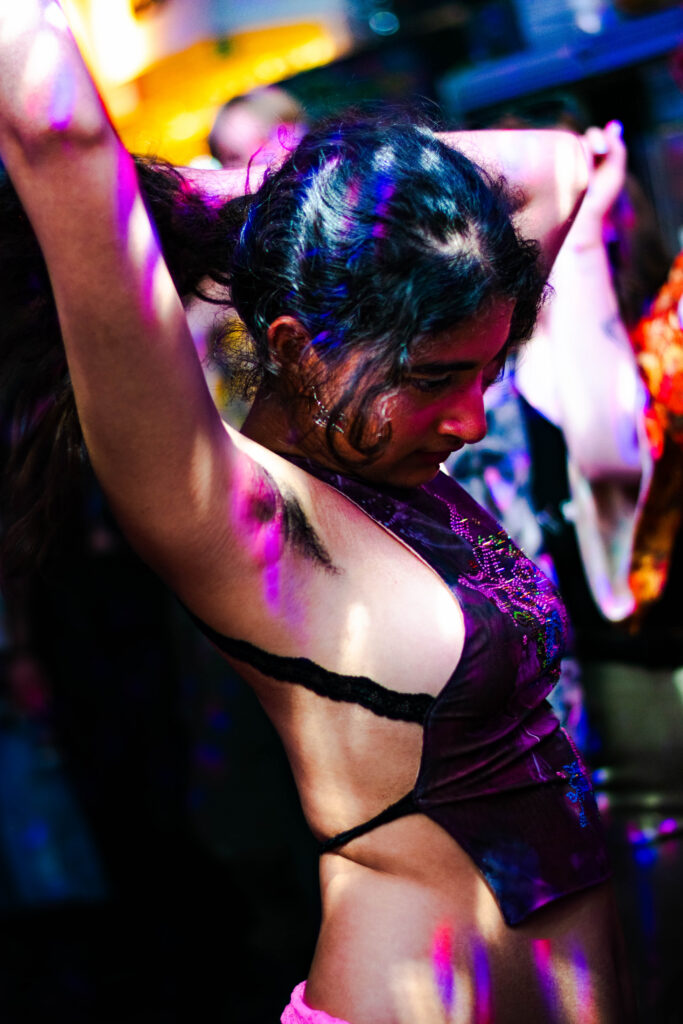
“I think that globally, and we see it in Ireland as well, the political climate has gotten very far-right, and queerness is under attack, along with a lot of other identities,” they say, before pointing to the recent killings of Yves Salika and Qayyum Balogun on Dublin’s streets. “Having community spaces like this is more important than ever, because at the end of the day, all we really have is each other. In a world where the powers that be want you to be depressed and feel alone, we offer a space where you can walk with community members, win a prize, be yourself and live out a fantasy on the floor.”
Embracing the fantasy is a vital element of any ball, HEXCODE notes as they recall, with emotion, the regal theming of their first ball. “There always has to be that element of fantasy and escapism, where people can be kings and queens,” they say. “Even if it’s just for a day.”