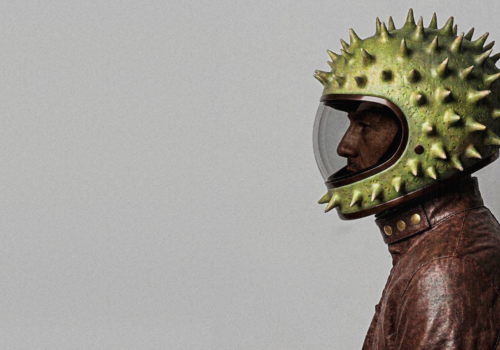
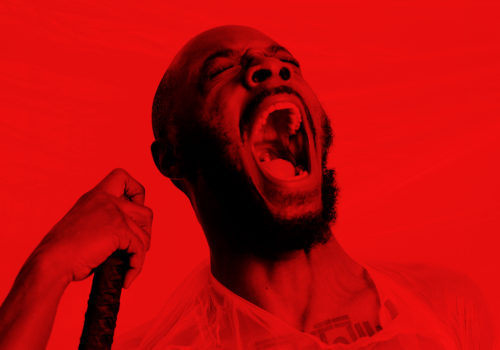
This Irish Designer Is All About Functional Weirdness
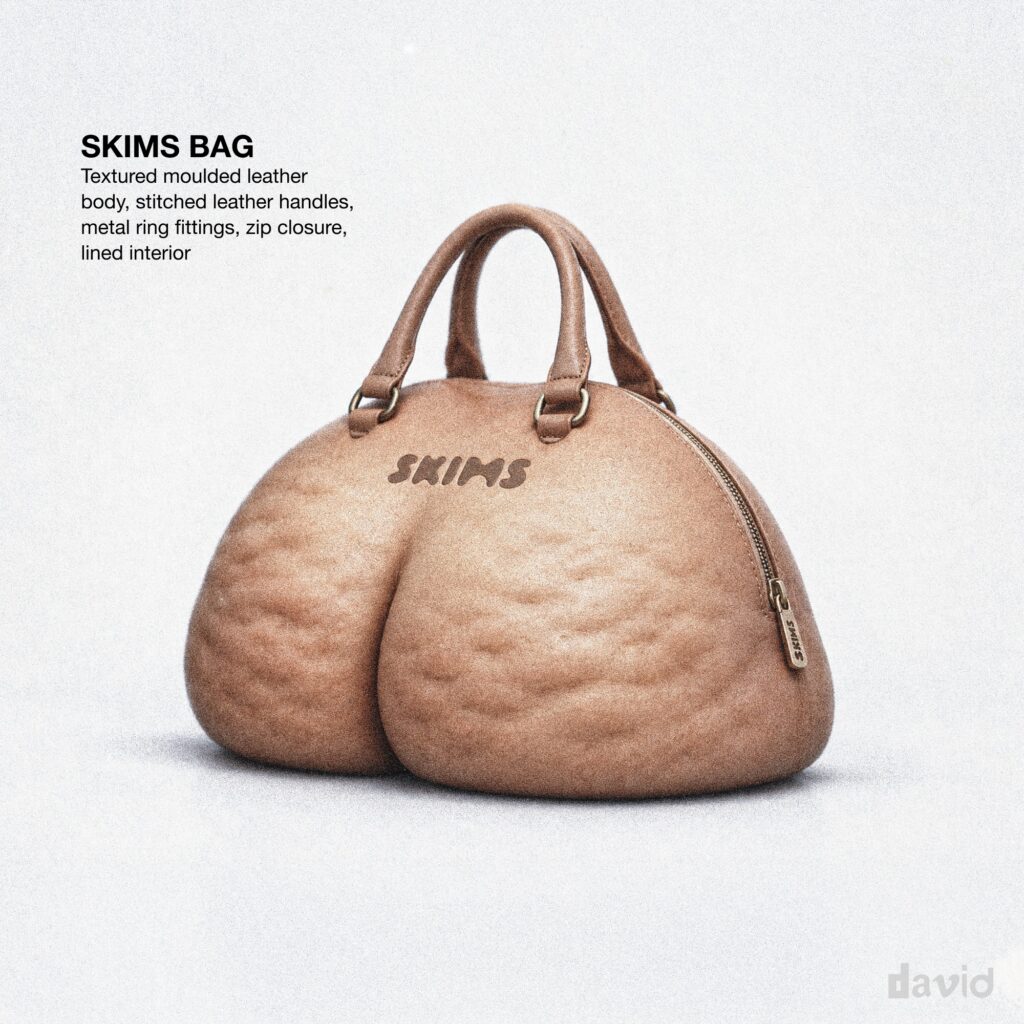
There may be nobody in the world who creates pieces as eye-catching as David Delahunty. It’s a classic example of seeing something dominate your feed and not knowing that it’s come from an Irish mind. For years, David has been posting concepts and prototypes which merge the abstract with the practical. Boob hats, a Michelin Man puffer jacket, and the Banana Phone are just a few insights into the endless world of David.
How would you describe your design style?
I don’t think I have a style in the traditional sense. I think style applies more to an artist than to someone who designs products, and I’m not trying to keep a consistent one. The style reflects the product, and that can change. Sometimes I design something minimal, sometimes something playful. It all depends on the idea and what that design needs to be, whether that’s minimal, playful, childish or naturalistic. It all varies.
So I try not to think too much about style, because I think a style can pigeonhole you and almost restrict your creativity. I like to try different things. I like to do watercolours, make product designs, design posters and make 3D prints. I like to do all sorts of different designs in different styles, and I think that’s a great way to let my creativity evolve organically.
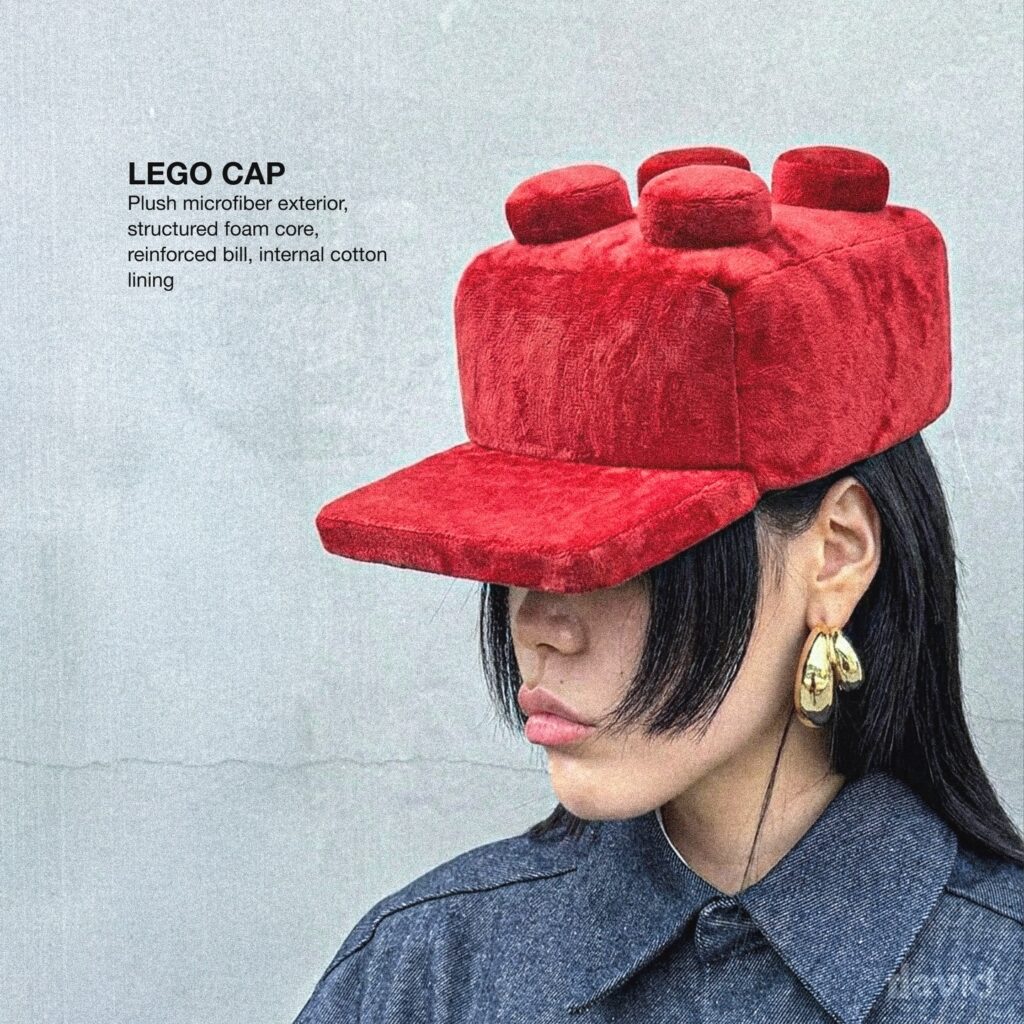
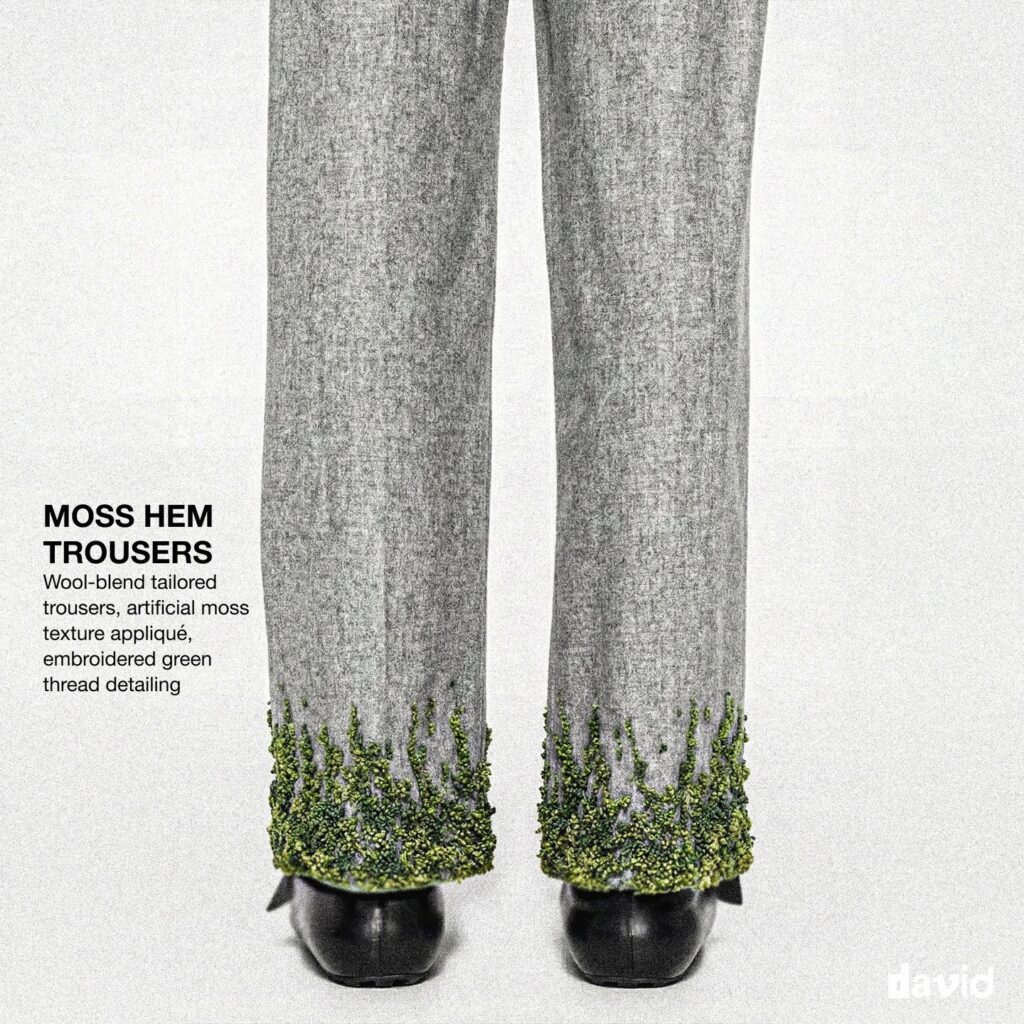
David’s passion for design had started as a teenager, which led him to study visual communications at DIT. Following various design-adjacent jobs in advertising, web design and branding.
Over the years, my design journey has been a squiggly line. It’s never been a single trajectory, and I think that’s important to remember as a designer: you have to evolve. If you’re just starting your design journey now, where you’ll be in five or ten years’ time is nowhere near what you think it’s going to be. No one knows what the landscape will look like for designers in five or ten years, so you need to keep up to date with what’s going on.
In 2011, David gained traction online through his “Make Something Cool Every Day” series. Here, he explored different mediums of design, with the rule that something must be created and shared by the end of the day. After leaving his job, this project sought to reignite a passion for design. Here, he made his “couch potato” as well as various portraits of well-known figures. This couch potato gained the eyes of the internet and saw an early taste of virality, which would continue for David.
Since then, David has not only built a personal brand with over 190,000 followers on Instagram, but he is also the creator of one of the most well-known design pages in the world – @designershumor. Sitting at almost a million followers on Instagram, the page has become a place for designers to lament the struggles of life behind the canvas.
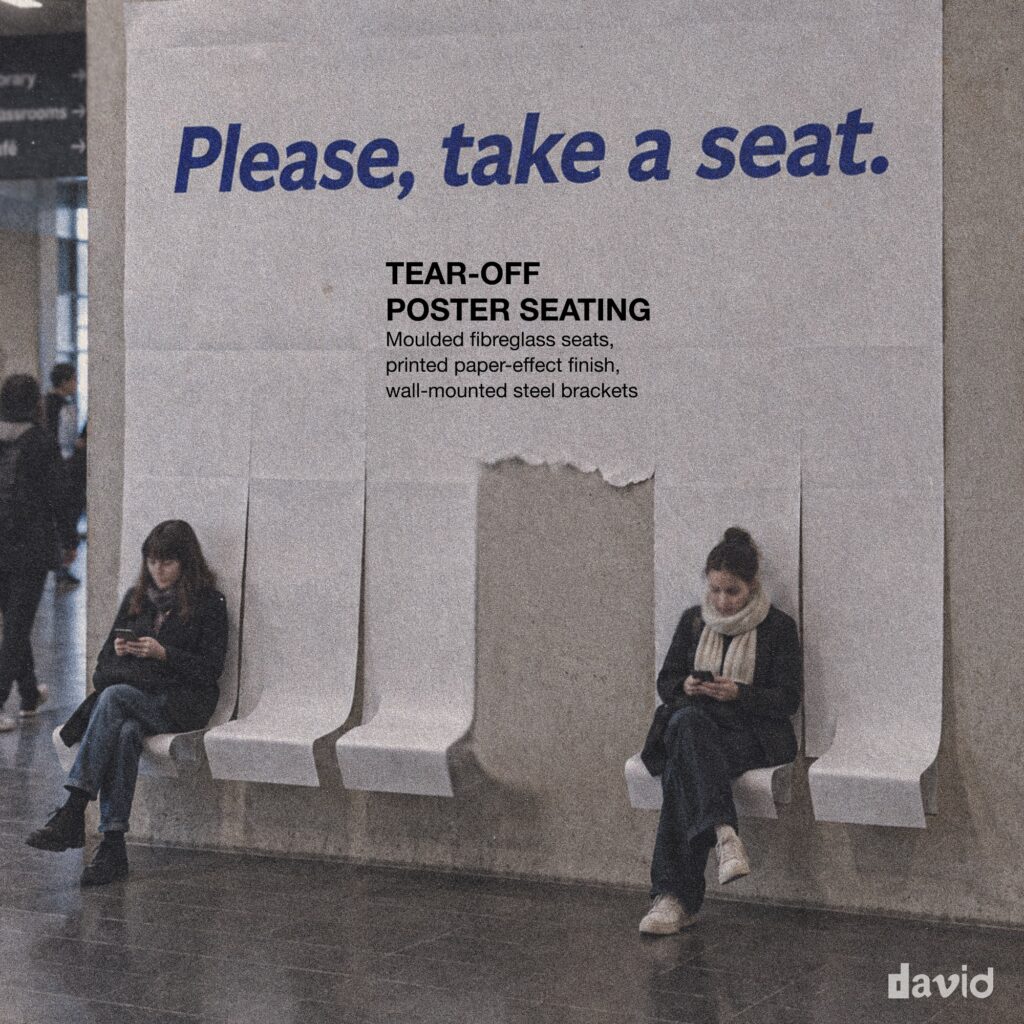
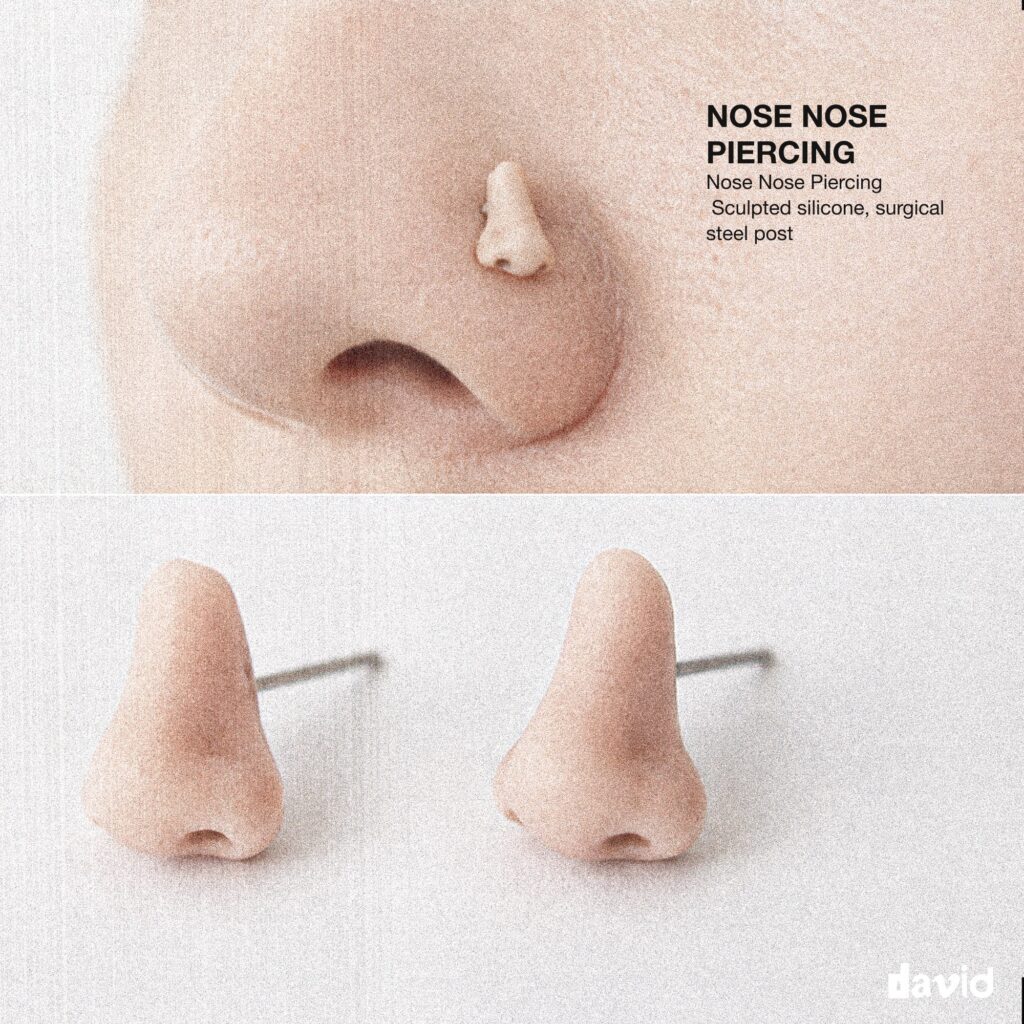

What attracted you to the more left-field aspects of design?
I didn’t intend to be making these kinds of weird product designs. I’ve always been influenced by designers who use humour in their work. When I look at those designs, it’s a smile in the mind. It makes you look a little bit longer, and when you notice the little Easter egg in a design, it makes you light up. I’ve always loved those kinds of designs in graphic design.
There’s a famous Japanese inventor called Kenji Kawakami who invented something called Chindōgu, which roughly translates as “un-useless inventions”. I remember seeing his work and being inspired by him, and trying to bring some of his thinking into my own day-to-day. It was almost a challenge for me to come up with my own useless inventions that still had some sort of use.
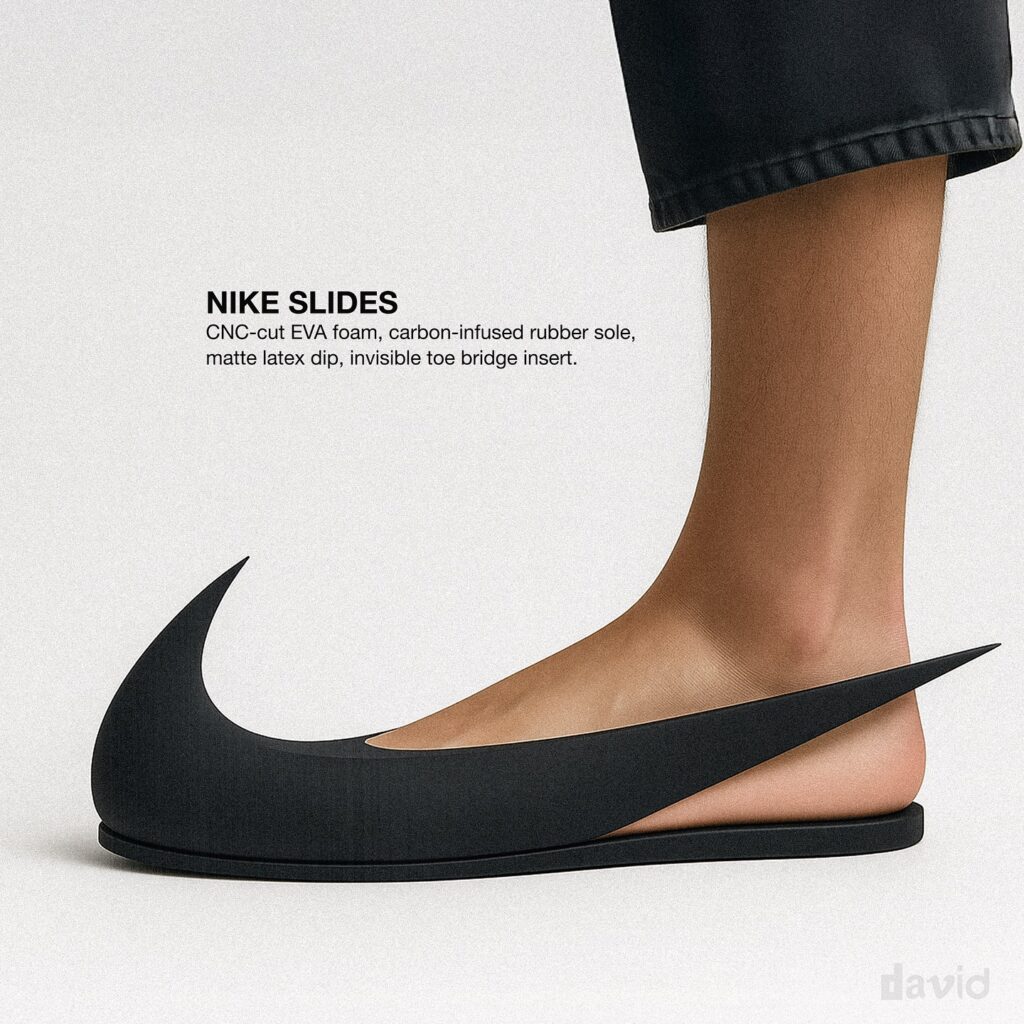
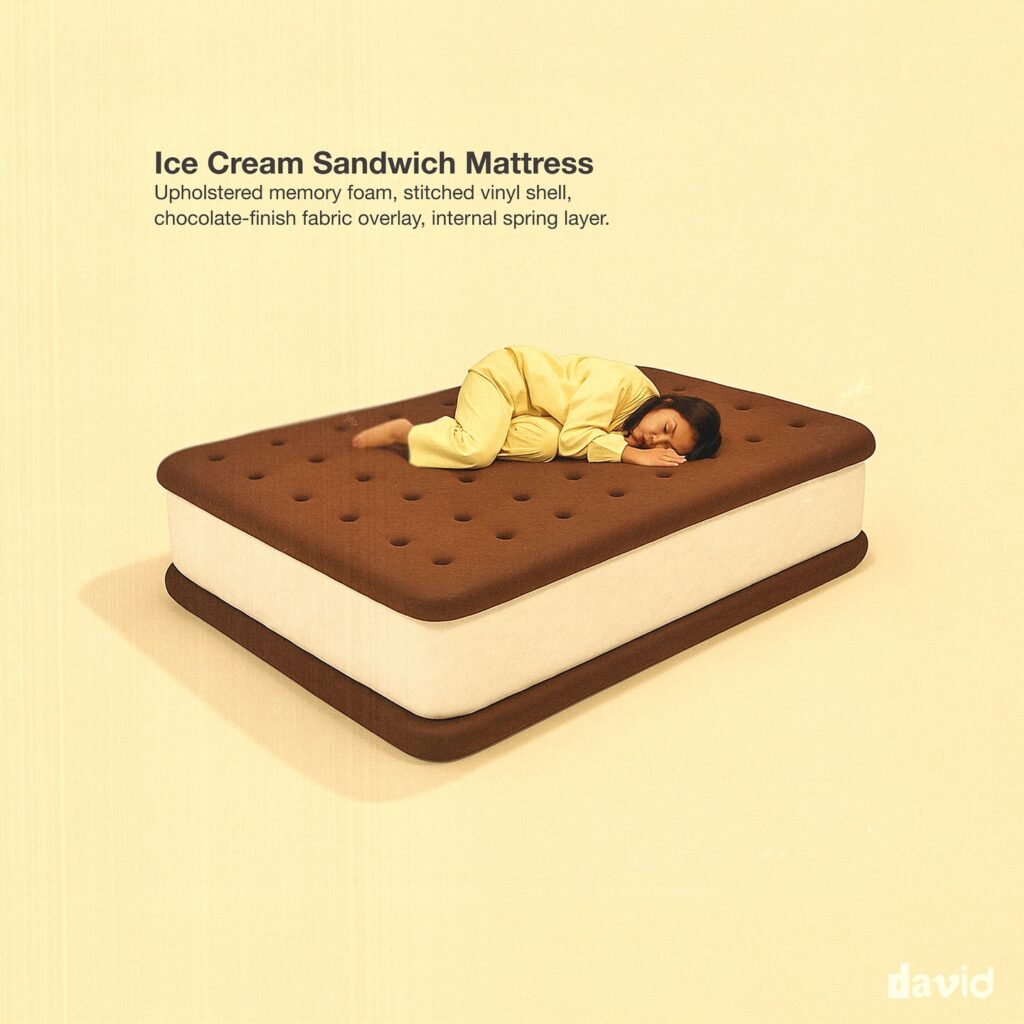
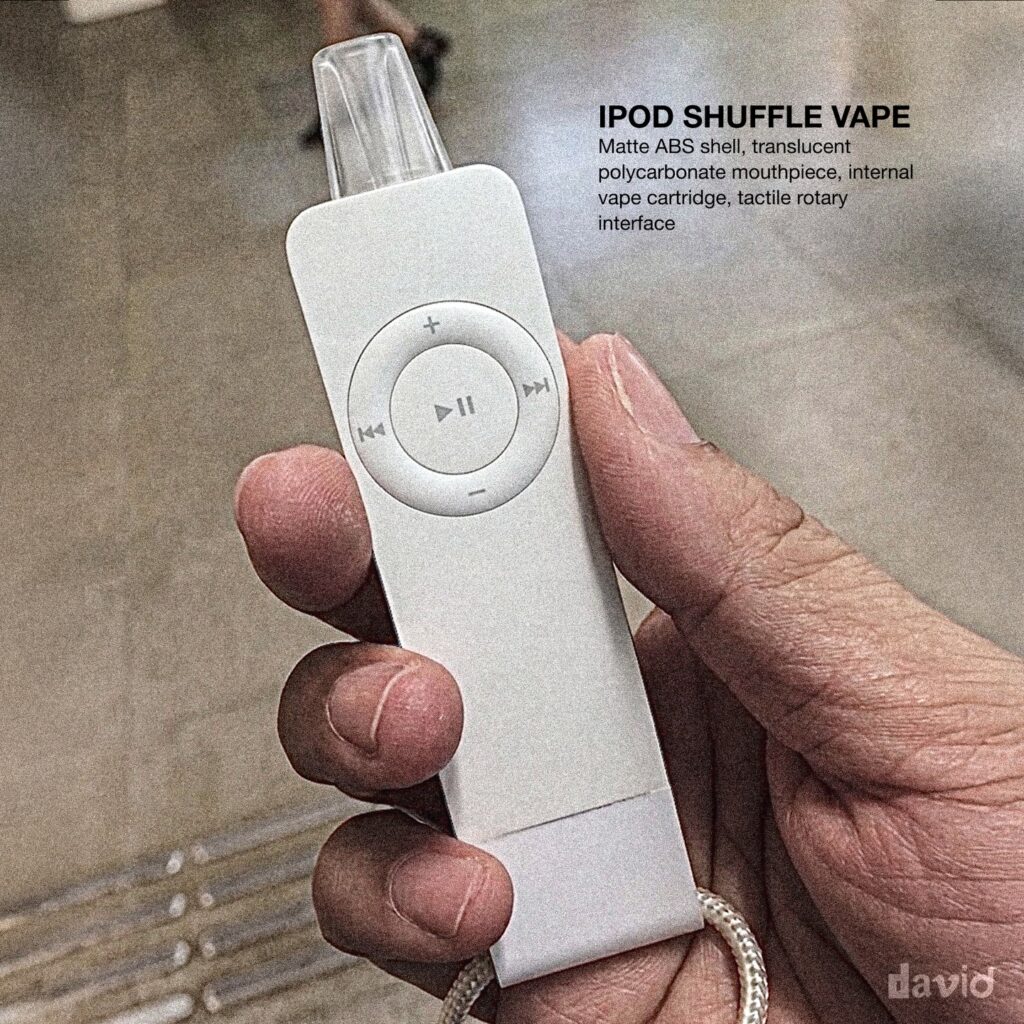
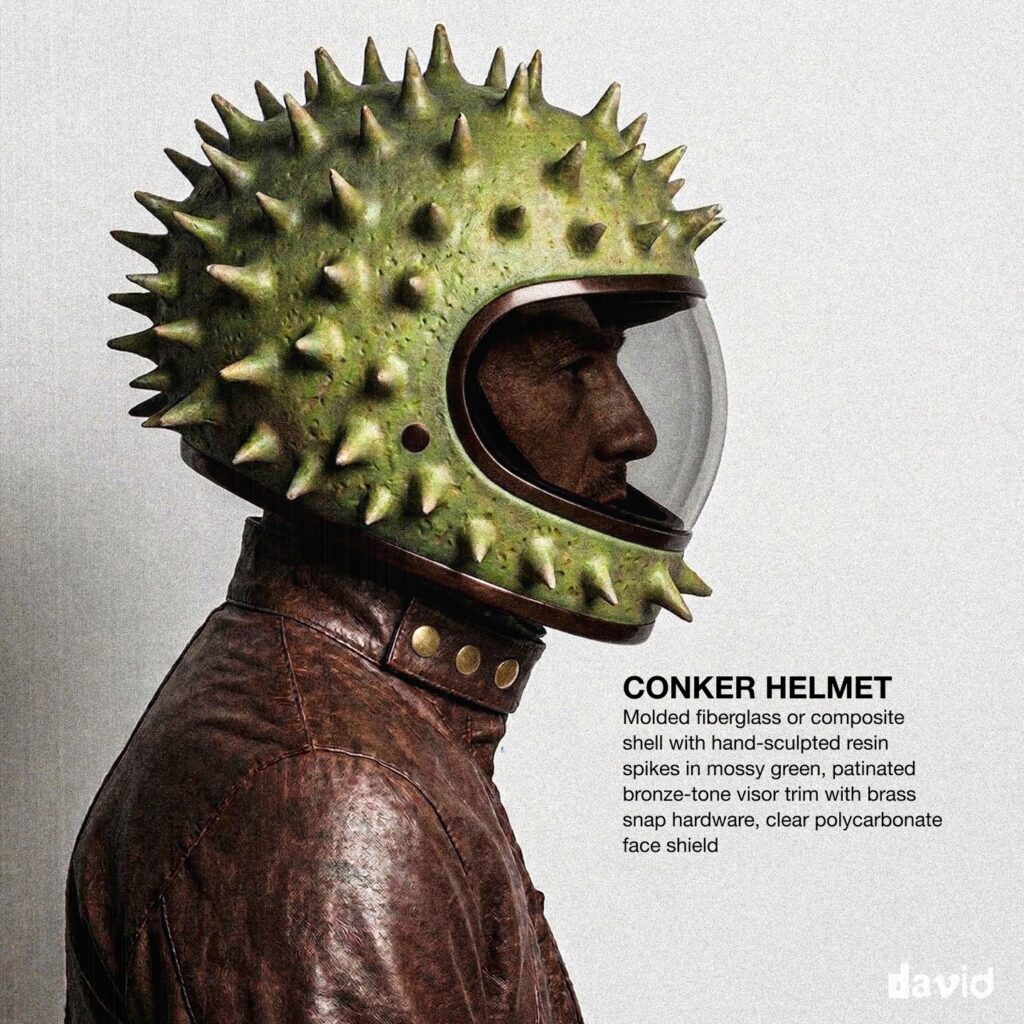
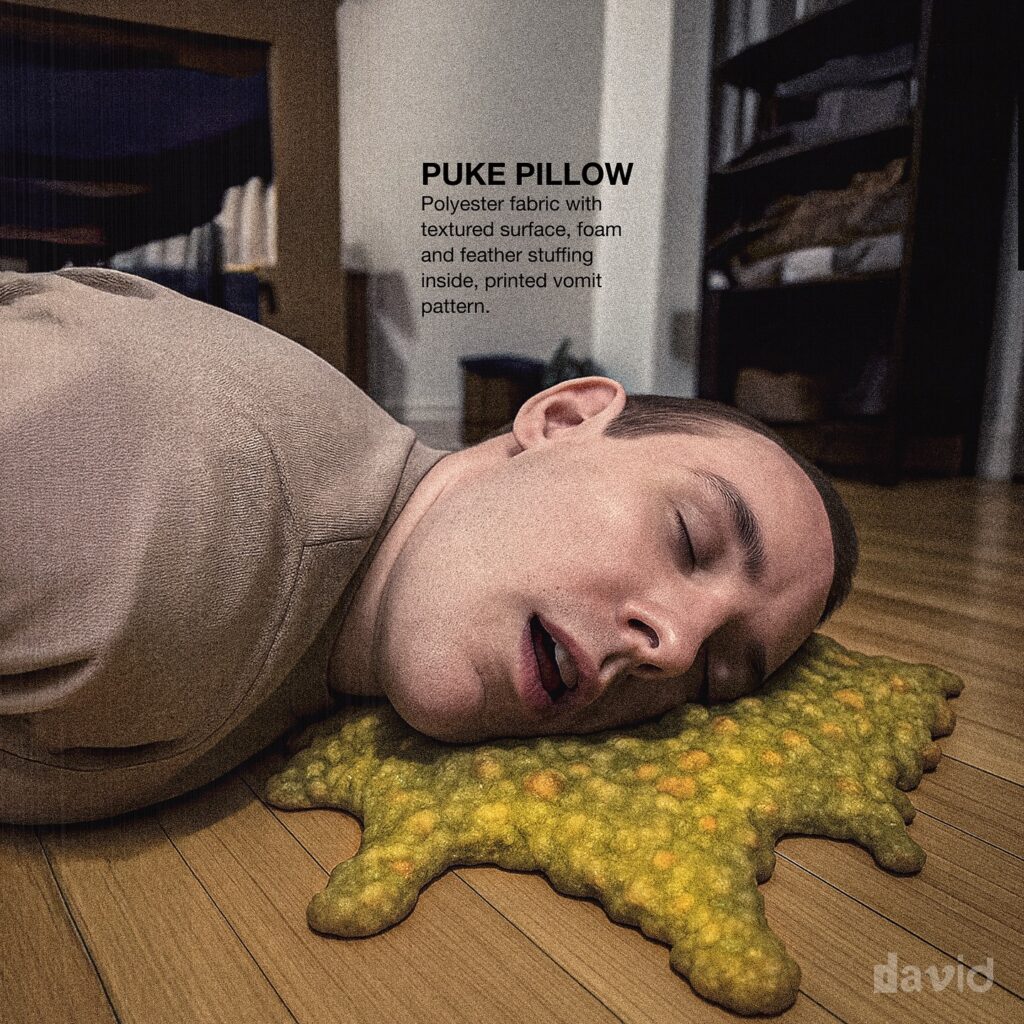
When we say there are truly no bounds to what David will make, we mean it. A broccoli floret knuckle duster, Ferrero Rocher slippers and the ‘octo-tee’, the eight-armed T-shirt, to name a few. They’re bizarre, but this doesn’t mean they’re not functional. David’s work sits on both the side of social commentary and genuine ingenuity. What seems on the surface as absurdism for absurdism’s sake actually looks at the interconnectivity of the world we are put in as consumers. A deep tapestry of pop culture, internet culture and social commentary is interwoven through thousands of designs that frame objects we see every day in a completely different way.
What do you think the markers of a David Delahunty design piece are?
I guess a lot of my most popular pieces touch on some sort of childhood memory or childhood brand, like Apple or PlayStation, or another brand or memory from my era. They’re also kind of bizarre. They’re products that shouldn’t go together, but they do. Personally, it’s weird for me to try and generalise my markers, but I just love looking at something and seeing it in a completely different light.
I love those Eureka moments when I see something and think, what if I did it like this? Or what if I took the function of something else and applied it to this other object? When it works, it’s an amazing feeling. So what are my markers? Strange and bizarre, or as my manifesto puts it, weird cool shit. But ultimately they just work, and people always seem to want one.
What does the human touch from a designer give a piece?
AI can’t connect things the way a human can. An AI can’t pull from childhood memories, like what it felt like to watch your favourite TV programme on a Saturday morning eating a bowl of cereal. It doesn’t have that connection. It can’t pull from human experiences. It can only pull from what it scrapes off the internet. So I’ll always have that advantage over somebody who uses AI, and ultimately that’s what gives my design pieces a human touch. When people see my designs, they know an AI could never have come up with that idea.
What makes good design, good design?
Honestly, for me, everything starts with an idea. An amazing idea designed badly will always beat a bad idea designed amazingly, every single time. So good design starts with a great idea.