This Photographer Has Captured The Fleeting World Of The Irish Boglands
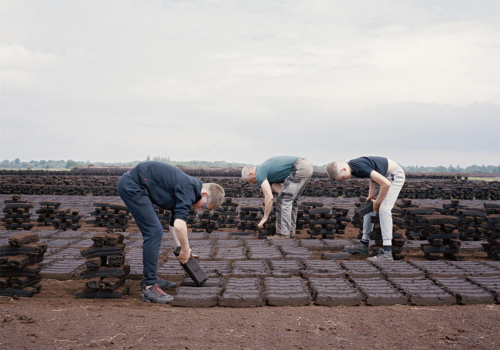
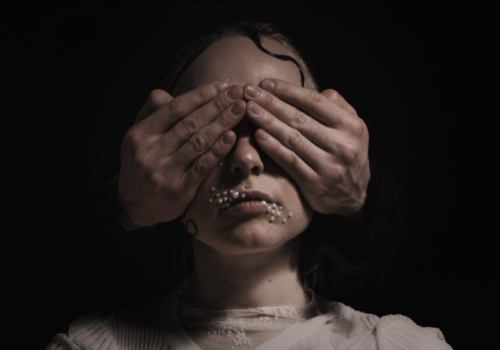
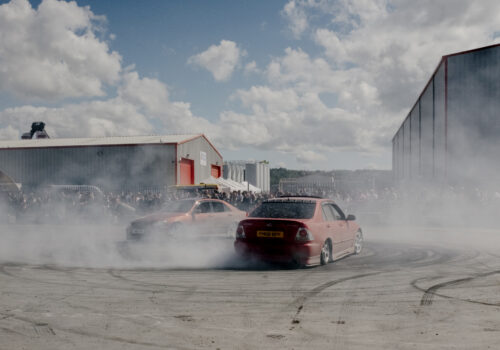
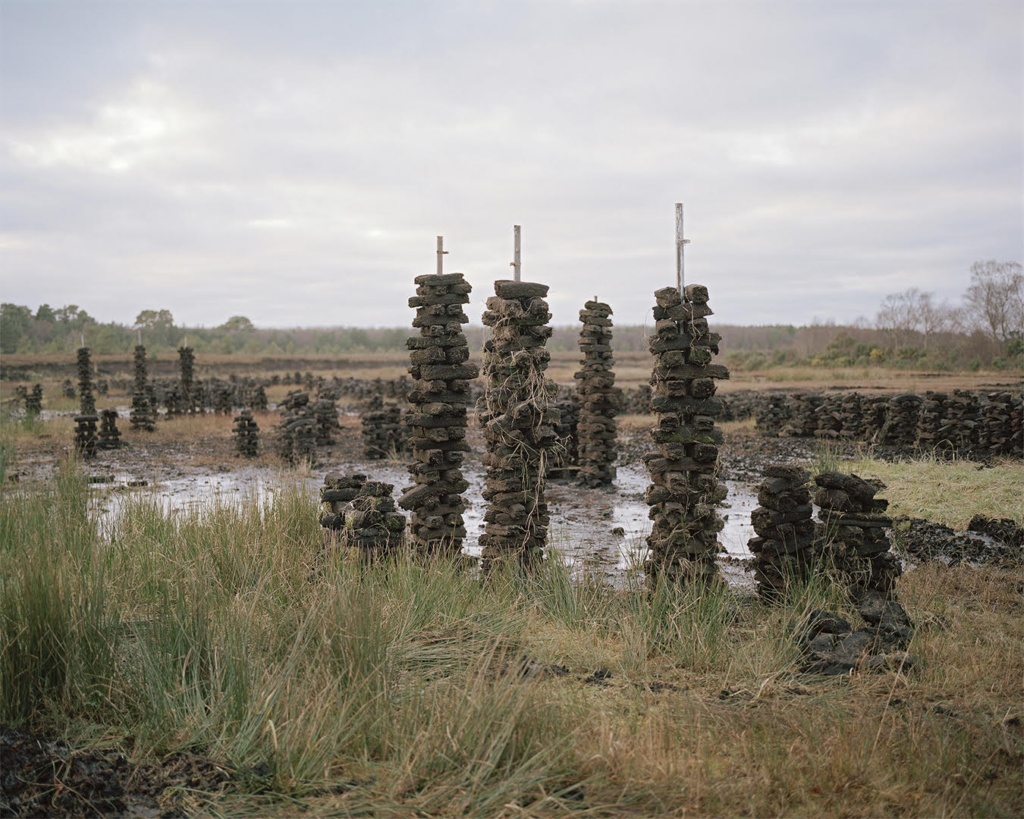
Shane Hynan is the Irish photographer behind the project ‘Beofhód’. This work explores the energy-rich boglands that occupy Ireland’s midlands and the communities that rely heavily on this dwindling life source.
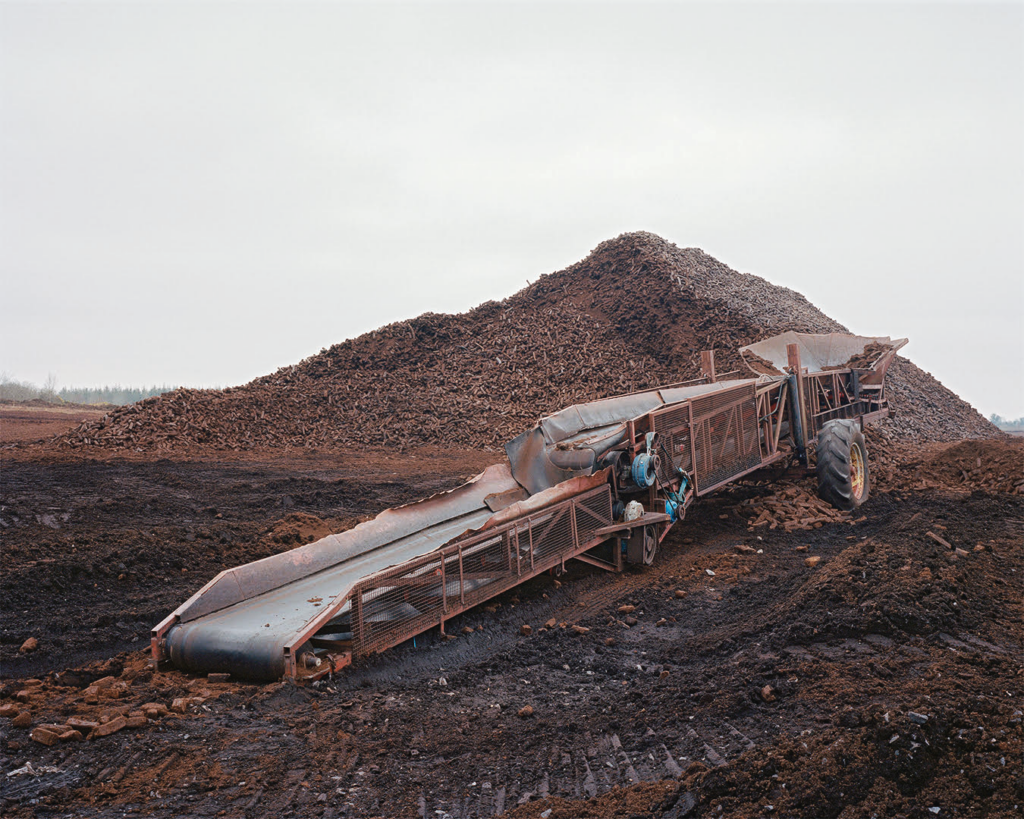
For hundreds of years, turf has been a defining source of fuel for the boglands located in the heart of Ireland. However, these bogs have come under scrutiny by environmental activists. It is expected that the bogs could run bare by as soon as 2050. This would end hundreds of years of peat reliance and also fundamentally change the communities who have been built across Irish boglands. Shane captured these communities in what may be the twilight years for Irish turf farming.
‘Beofhód’ is currently exhibiting in Photo Museum Ireland until 5 July.
Why did you want to capture the bogland and its inhabitants?
I moved back to the rural area where I grew up and I started to notice the culture and activity around our local bog as both an outsider and an insider. I realised it was unique and interesting and since I grew up with it I understood it too. I could feel that change was on the horizon in terms of traditions dying out and the climate crisis and felt that it would be an interesting project to pursue. In time that proved to be a wise decision as there has been many changes in how we interact with, value and perceive peatlands. It’s been a journey of reflection and rediscovery and an opportunity to find my voice as an artist.
What did you learn about the peatlands’ communities through this project?
I learnt that peatland communities are heavily affected by recent changes in different ways.
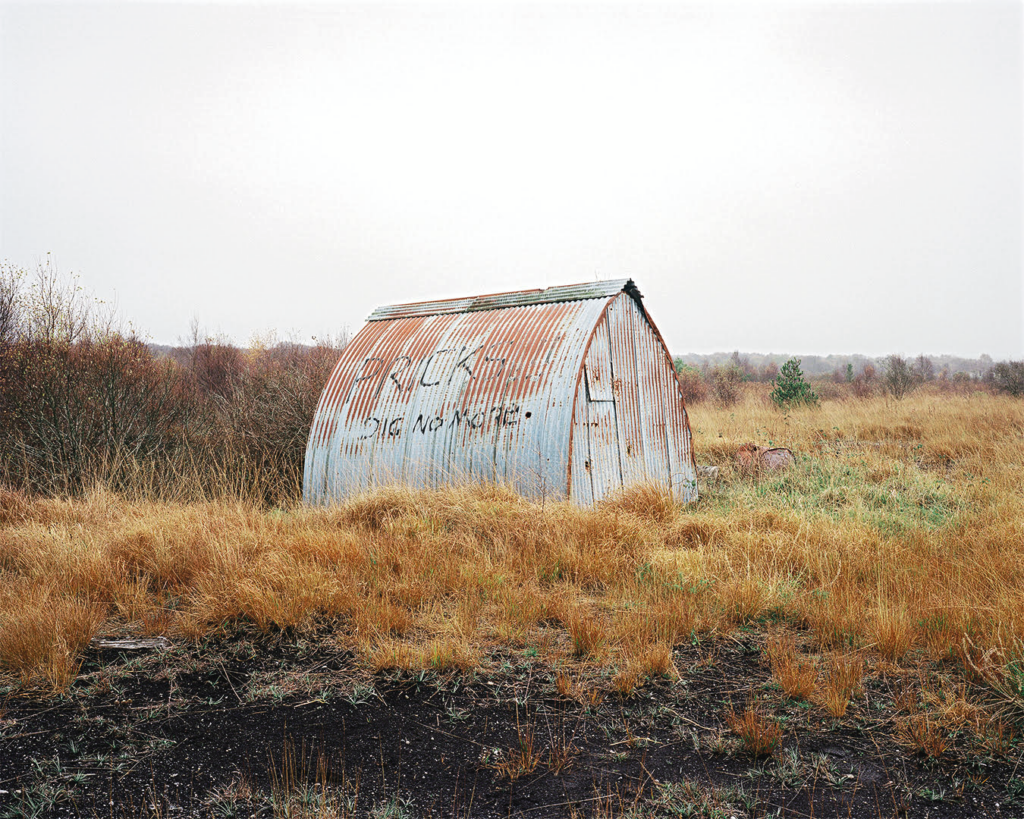
Some community groups are embracing the change and finding opportunities within it however there are many still negotiating the realities of change, and coming to terms with an uncertain future and the difficult feelings and emotions that come with that. I could relate to these feelings because I’m from the area and understand the concerns.
Many peatland communities feel unheard, ignored and abandoned. Even those embracing change and a more sustainable relationship with bogs have been met with resistance and indifference to their local projects and initiatives. There is a lot of frustration and there seems to be a real lack of understanding for their circumstances. The media often draws from polarised ends of a very complex issue while covering it which is not helpful. The long held tradition of cutting turf for domestic use is often demonised and held up as the cause of our ecological and climate crises when in fact we are all part of the problem, and the solution.
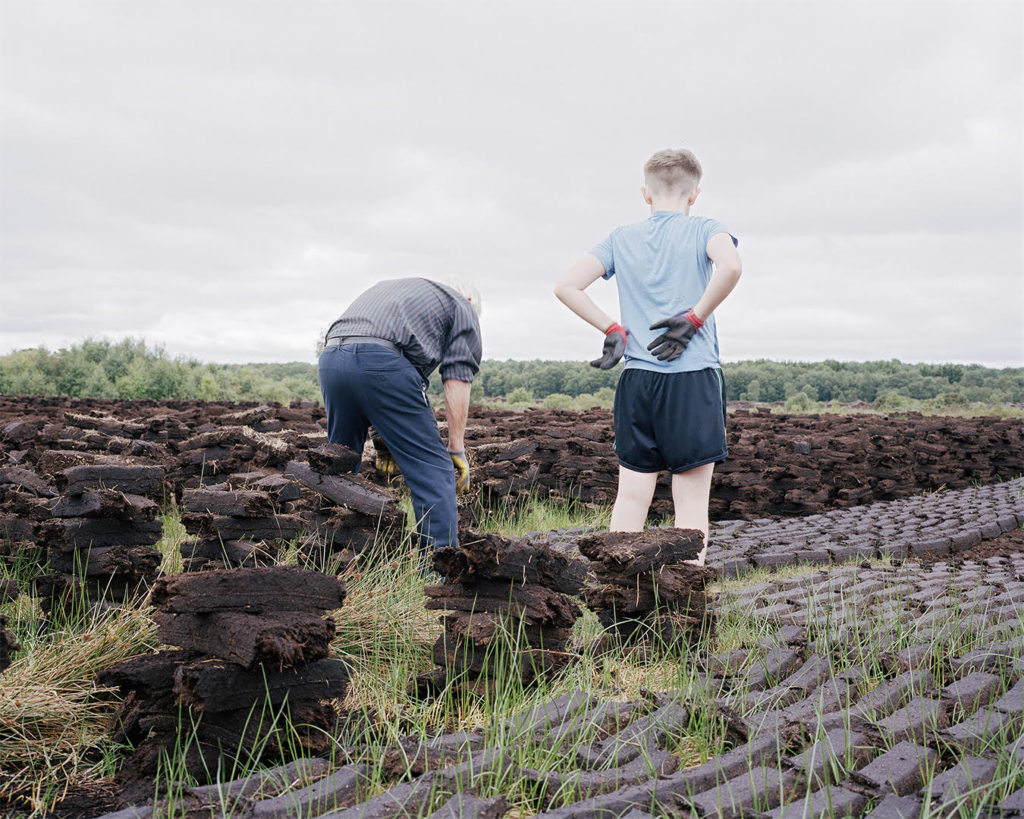
Irish peatlands cover approximately 20% of Irish land. Within this land, they store almost 1 billion tonnes of carbon. Out of almost all fossil fuels, turf is regarded as one of the worst for the environment, polluting more per unit than coal. As well as this, these peatlands are home to a unique ecosystem of wildlife. Due to generations of over-extraction, only 10% of these boglands are seen as suitable for wildllife conservation. It has now gotten to the point where you can see visible “scars” across Ireland on Google Maps, all due to peat farming.
How do local communities react to the environmental impact and results of turf cutting?
Many of the turf cutters I met are aware that turf cutting is not good for the environment and will become a thing of the past one way or another and are conflicted about the practice. Change is always hardest on those most affected by it. Our relationship with peatlands is complex and varied. In many ways bogs defy definition and understanding and within that lies the complexity in how we relate to them past, present and future.
Some want to continue cutting turf for as long as they can, others want to utilise what remains and restore it as a communal amenity. However for many affected communities decisions regarding the future of the bogs on their doorstep remain out of their hands as huge swathes of bogs are owned by Bord na Móna and Coillte and communities living beside these bogs more often than not have little or no say in their future. There is a massive question relating to ownership and stewardship that should be addressed relating to Ireland’s bogs and who should decide their fate and how we interact with them. From my work I believe that local communities are best placed to look after their local bogs and if trusted and empowered they will more often than not embrace the role.
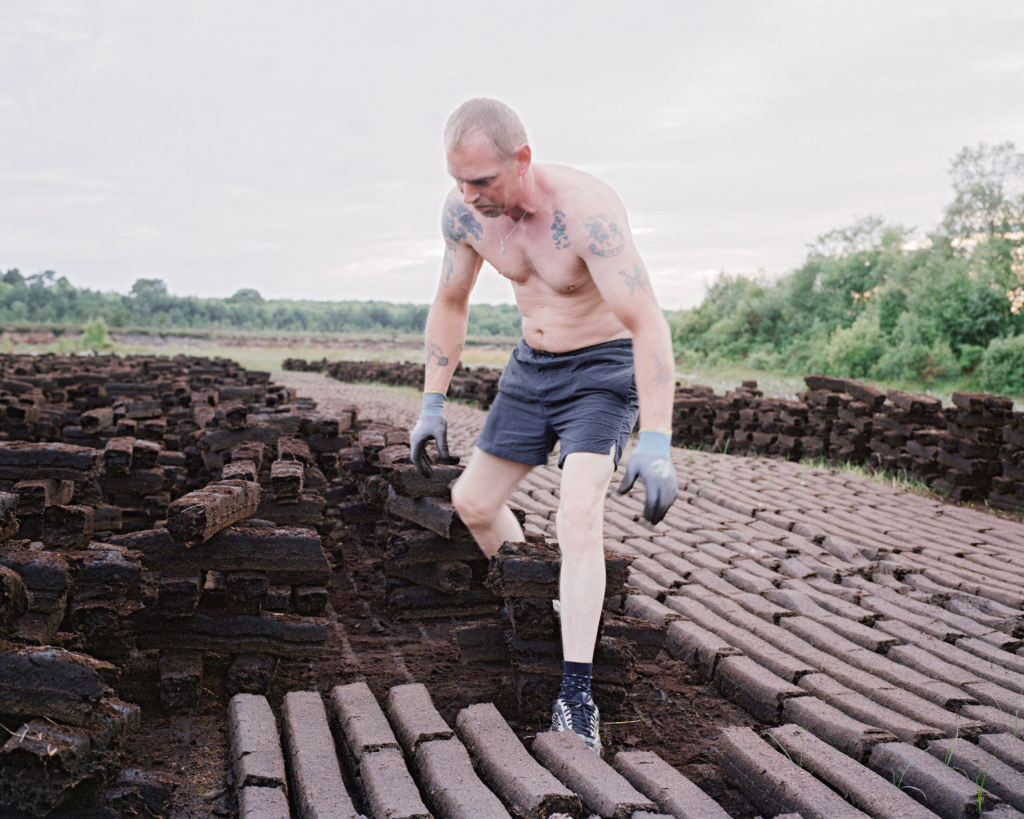
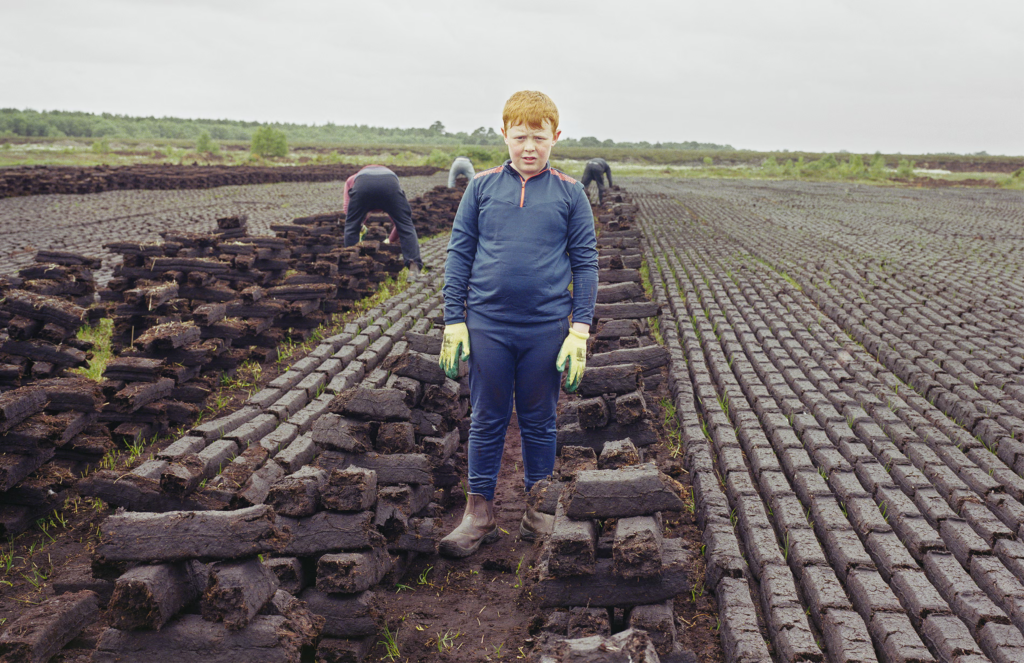
On the other hand, these local communities financially rely on the fruits of the bog. Many households use turf to heat their home, saving up to 75% on their energy bills. There is also an intangible relationship between the people and the life force of their towns and villages. Not having agency over your own land can create a rift between those who live in the boglands and those who dictate how to use it.
What story does capturing the modern boglands tell?
Ireland’s relationship with bogs and peatlands goes right back to the bog bodies buried in the Iron and Bronze Ages and has altered significantly over time. One constant seems to be that how we see and perceive the bog is always in flux. A healthy bog is at once dead and alive. The pagans saw it as a portal to the otherworld. The bog is an archive of time and rich in metaphor and symbolism. Right now how we value, perceive and interact with peatlands is changing and so is the landscape. The future of boglands is uncertain and unwritten and I drew upon that to leave the project open to interpretation by the viewer.
The modern boglands reveal a new chapter in our relationship with peatlands. Change can be seen visibly on the landscape but how we perceive and understand it is also shifting. Ireland’s connection to peatlands is complex and in many ways it may reflect how we see ourselves. Now that excavation of the bog is in decline maybe this new chapter will reveal more about us than the bog itself.
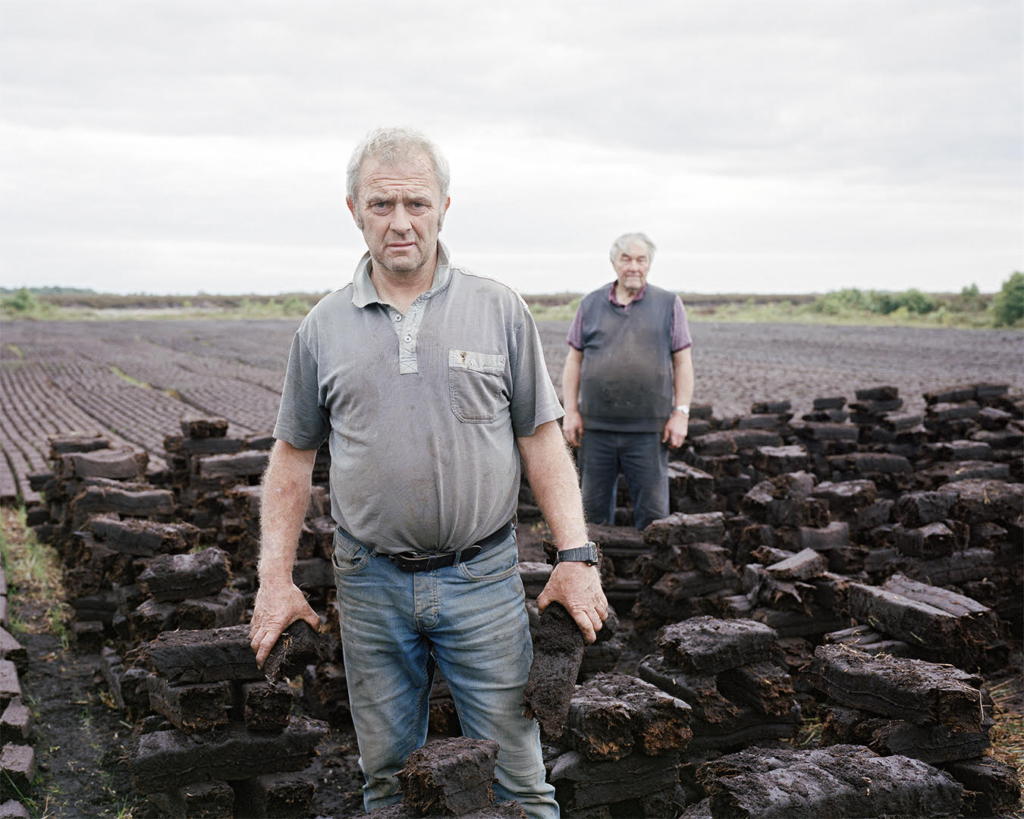
Where can people see the exhibition?
The exhibition is currently showing at Photo Museum Ireland until Sunday 5 July. Following that the work will tour to other venues in Ireland including Source Arts Centre, Thurles, Roscommon Arts Centre, the Regional Cultural Centre, Letterkenny, and Galway International Arts Festival, supported by Arts Council Touring & Project Awards.