Arts Spaces Are Closing; This Artist Turned Her Home Into a Temporary Gallery
Words: Izzy Copestake
Images: Sadbh O’Brien
Being an artist in a cost of living crisis is hard, couple that with disappearing art spaces and a housing crisis and you’re left with an impossible situation. Sadbh O’Brien recognised this problem. She’s worked in the arts for the last 10 years, and has seen first hand how the landscape has become more and more hostile to struggling artists. So when she purchased her first home and had a period before she had to move her belongings in, she saw and opportunity and she took it.
What made you decide to do this?
I’ve worked in the arts either as an artist or artsworker for over ten years and have observed a decline in grassroots spaces and spaces offering opportunities to more emerging practitioners for experimentation or collaboration.
“[I] have observed a decline in grassroots spaces and spaces offering opportunities to more emerging practitioners for experimentation or collaboration”
It’s becoming increasingly difficult for artists to survive in Dublin through a loss of studio space and increasing rents; the decline in these spaces is a further barrier. Ten years ago I was in an artist collective where we collaborated on DIY exhibition-making, I was also influenced by Debi Paul, who operates a curatorial project called Glandwr from her home in Chapelizod. If you go to New York, or Glasgow people are operating these kinds of models and I think Dublin needs more of this activity, but it’s becoming increasingly difficult to do.
“It’s becoming increasingly difficult for artists to survive in Dublin”
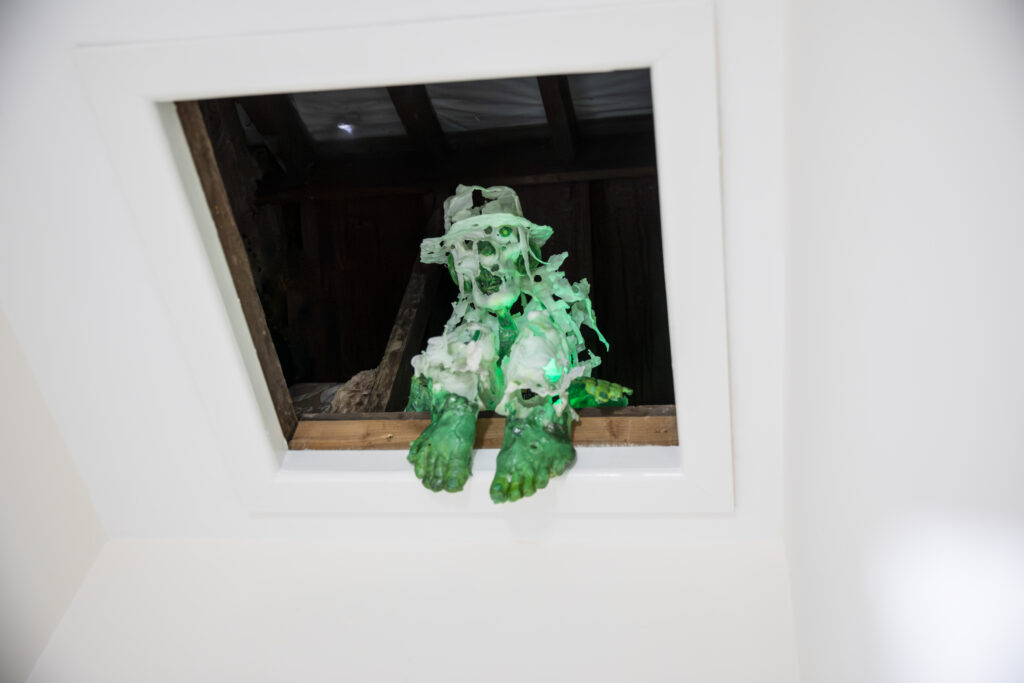
How did you do this?
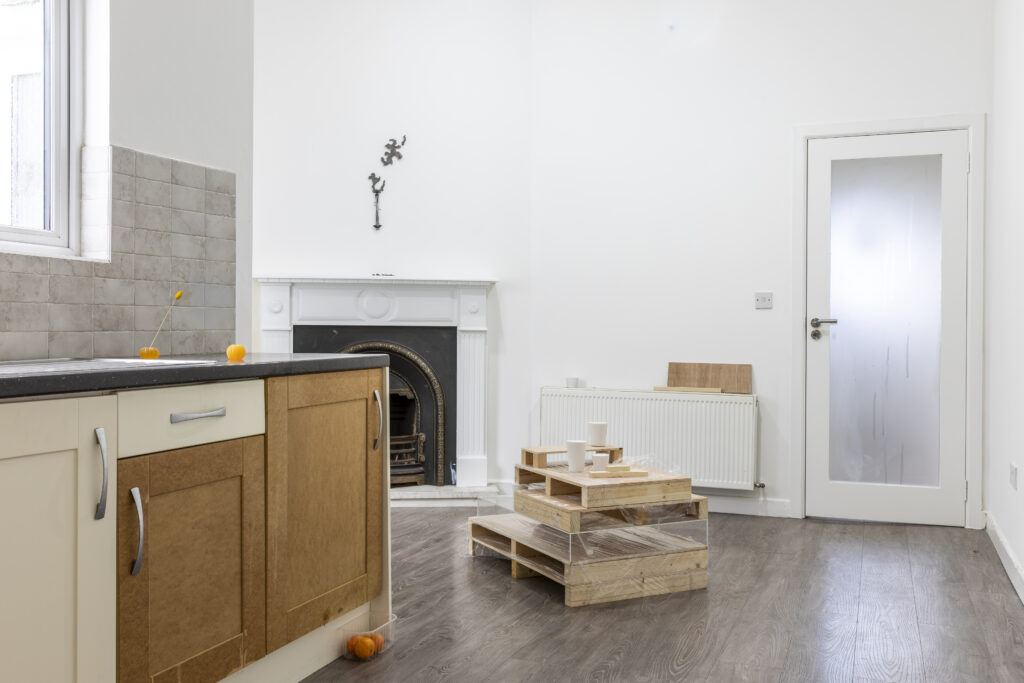
Like many people of my generation, I was faced with the decision to either keep paying rent or move home and save for a mortgage. After saving for years, I am lucky enough to have recently bought a 40 sq meter terraced bungalow. I saw the potential in the empty space, and had an opportunity to delay my move in by a few weeks and I just decided to go for it.
“I saw the potential in the empty space, and had an opportunity to delay my move in by a few weeks and I just decided to go for it.”
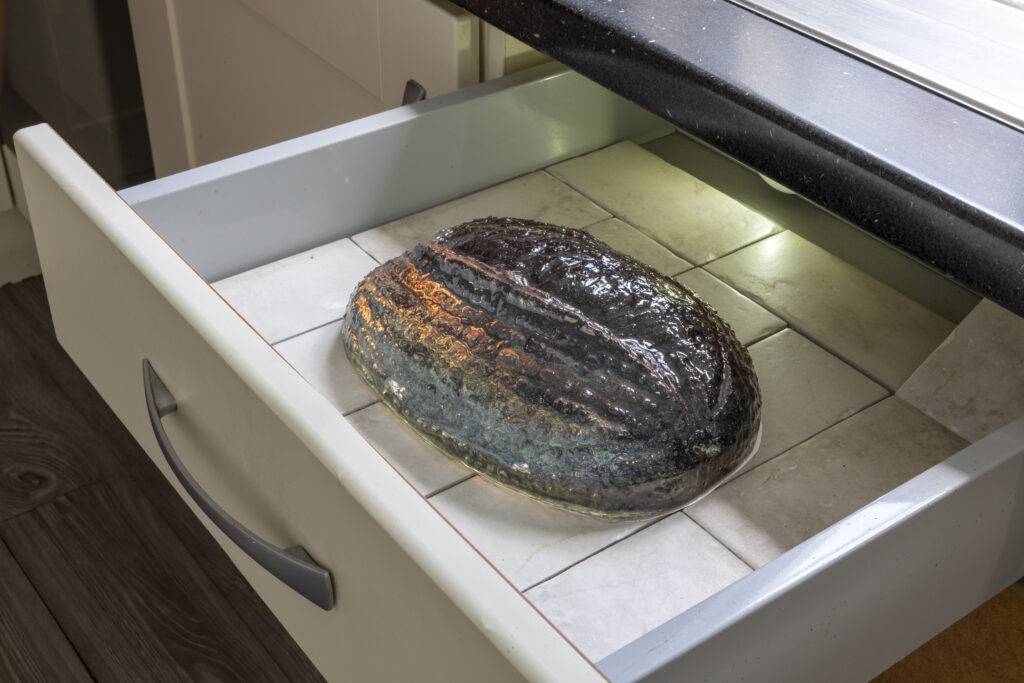
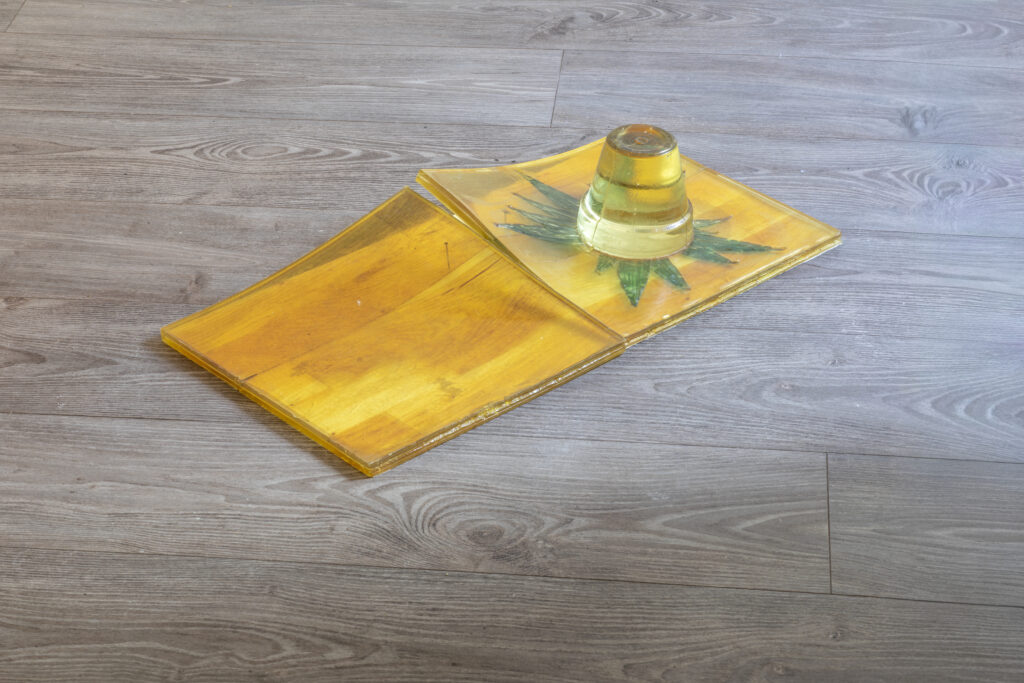
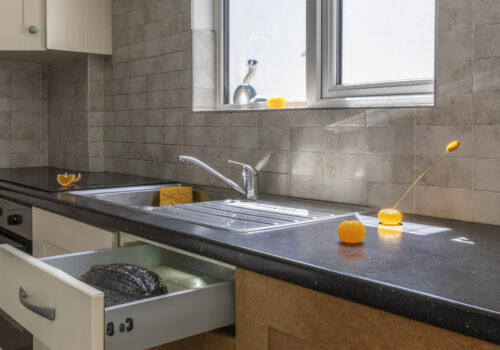
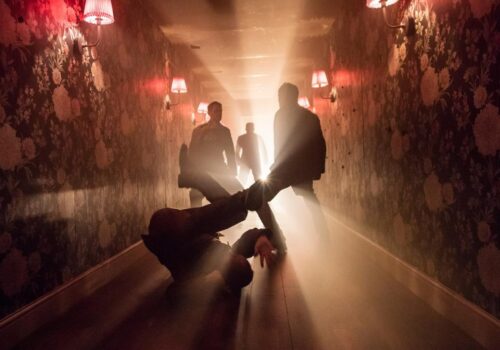
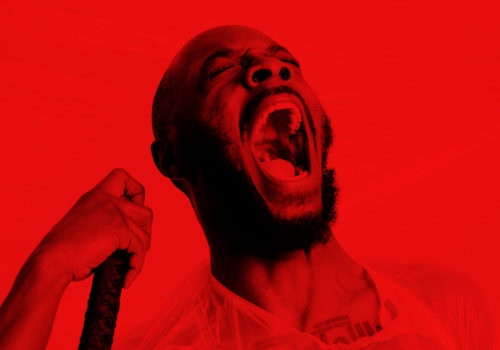
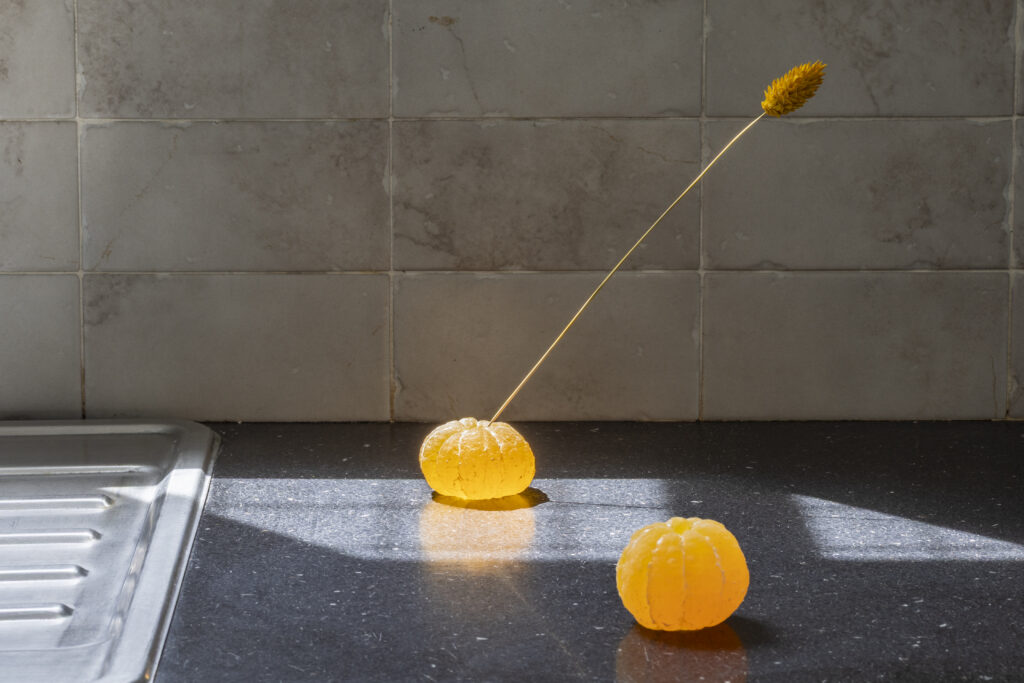
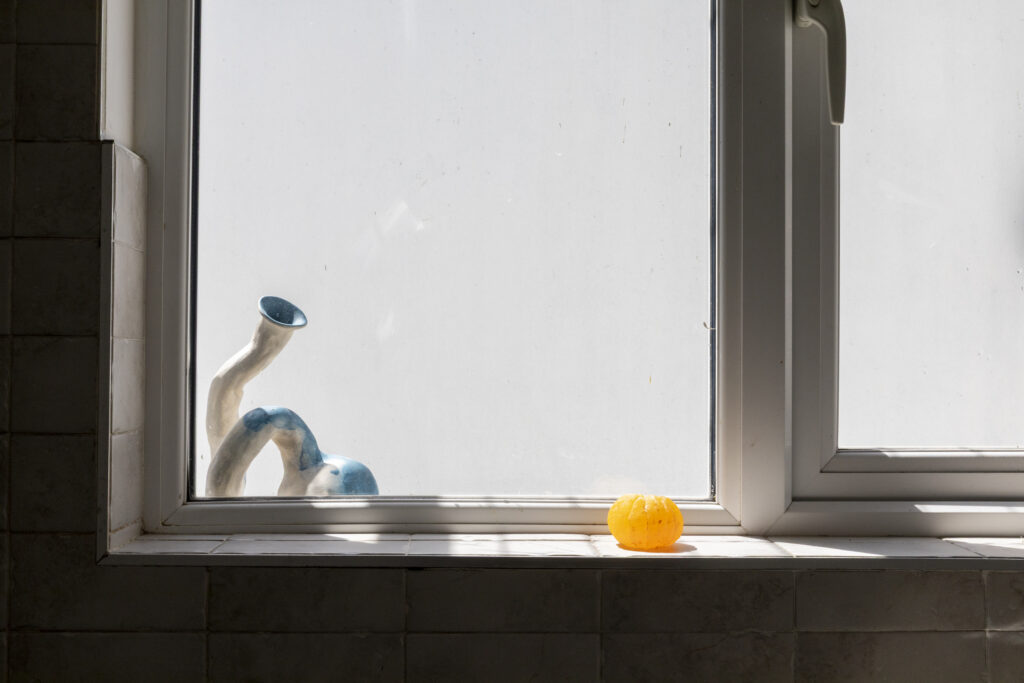
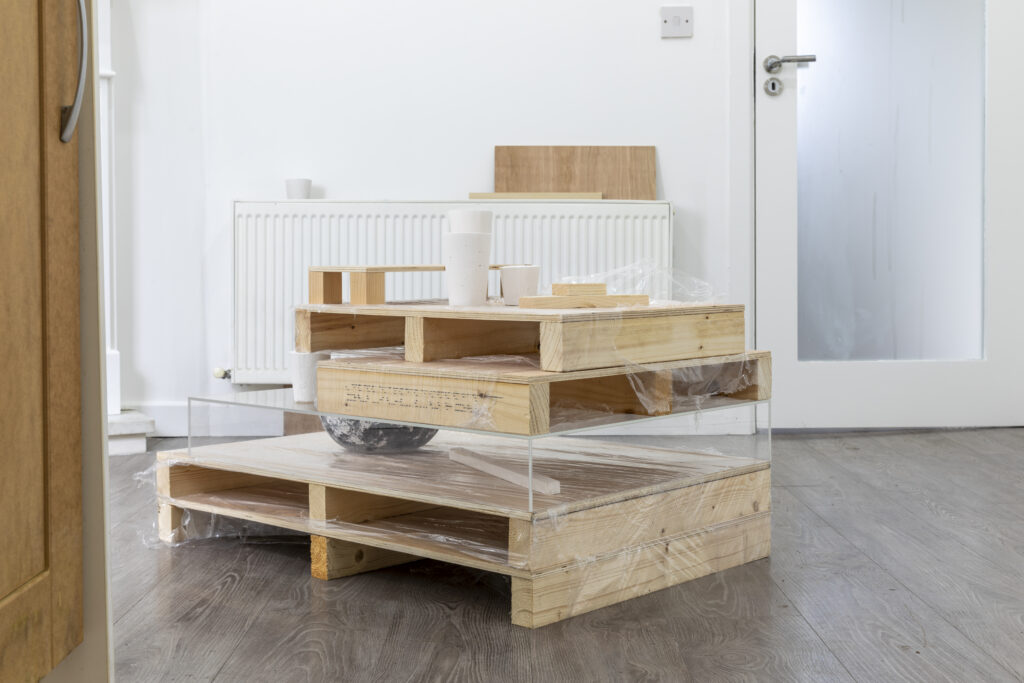
So emailed artists Matthew Coll, Alex de Roeck, Alex Keatinge, Jack Ó Meara, Eileen O’Sullivan, and Joanne Reid to see if they would be up for it. Each of their practices relate to our contemporary lived experience in some way, whether it’s highlighting material value and labour, using DIY to relieve economic barriers, commenting on the promotion of private interest and how it’s affected the housing crisis, or just capturing small moments of living in Dublin. Each of them have really strong practices, and had this work ready to go in their studio so we took it as an opportunity to showcase their work in a space which made sense to the themes they are dealing with.
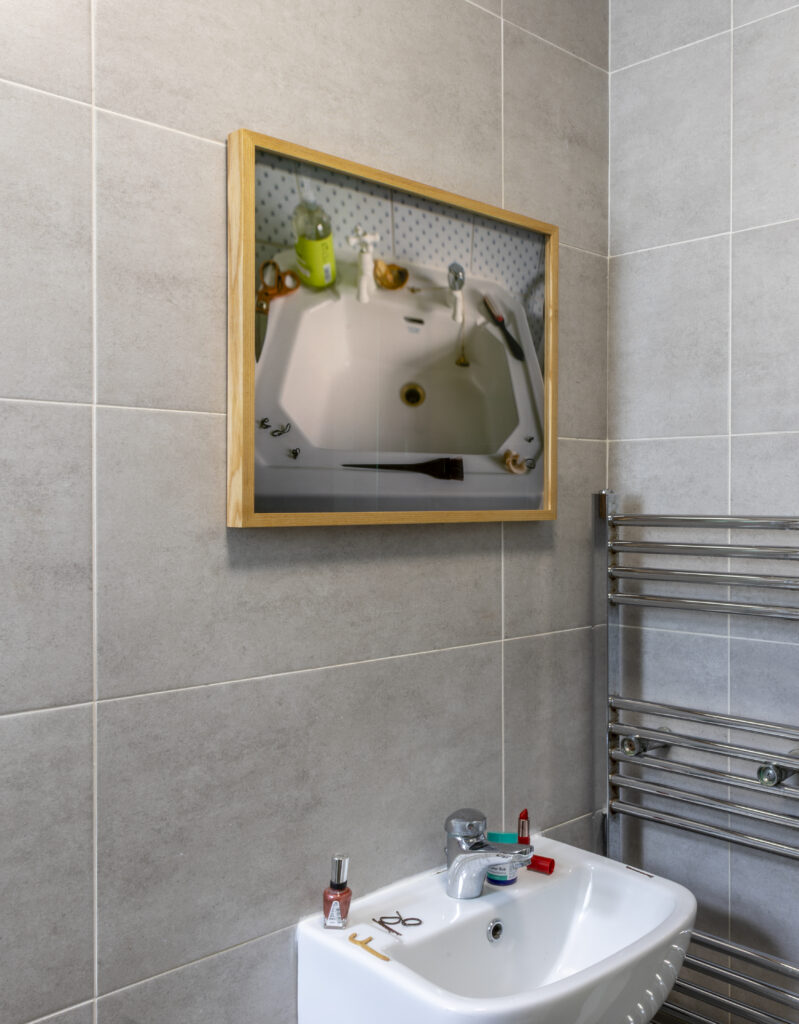
I bought the biggest tub of white paint I could find, painted the house and posted about it on Instagram, and then together with the artists spent a week installing over the bank holiday and weekday evenings. I told some friends about it and my friend Evanna Devine offered to install shots. We opened the show the following weekend for a very short five-day run, and I have been opening it up between my working hours. It really was a collaborative project of using what we had to hand to try and make something come together.
“I bought the biggest tub of white paint I could find, painted the house and posted about it on Instagram”
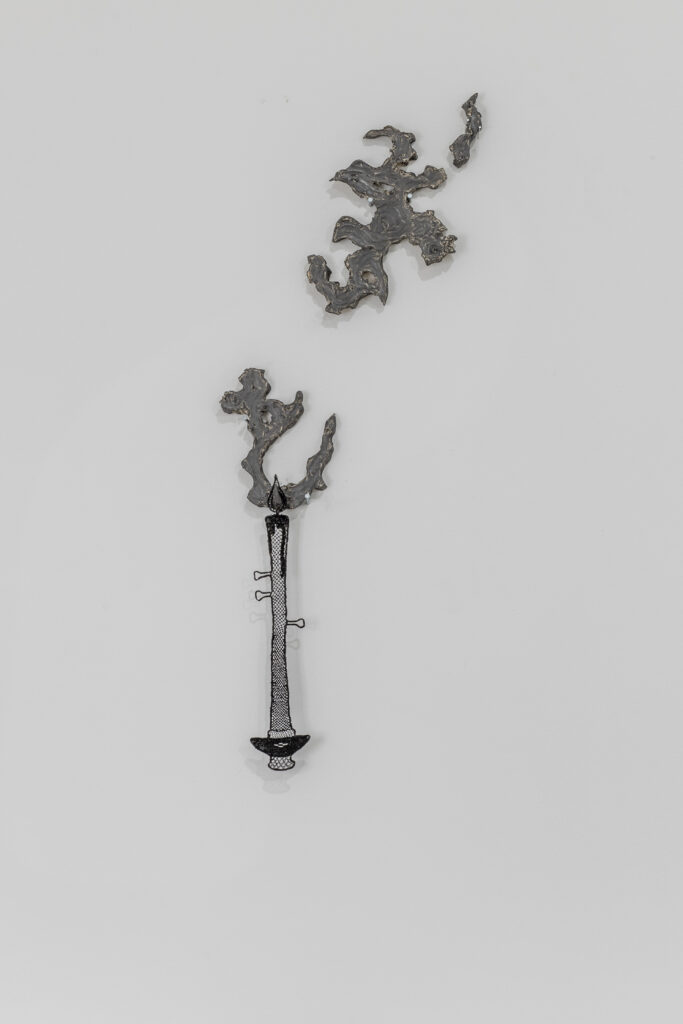
How has the scene for artists changed in the last 10 years / what are the barriers to artists in Dublin getting their work seen?
I don’t think it’s a secret that Dublin is becoming prohibitively expensive for the average individual and artists face some of the toughest challenges in this. The lack of affordable studio space, third spaces, the cost of living and lack of security are making it increasingly difficult for artists to survive, in Dublin especially, but also the rest of Ireland. We have some solid and important infrastructure and institutions through the arts council, but we also have lost vital spaces and spaces of experimentation, and many of the existing artist-run spaces are at risk of being pushed out for redevelopment.
“The lack of affordable studio space, third spaces, the cost of living and lack of security are making it increasingly difficult for artists to survive”
This is creating a huge gap in the infrastructure for the development of artistic practices. The artist’s basic income is a step in the right direction but we need to also ensure that these artists have spaces in the city. It’s vital for the community for people to have a space to come together to both practice and engage with culture; for the visual arts, as well as other cultural and community activities.
What kind of feedback did you get from people who came by?
The feedback was overwhelming. People are genuinely excited about it and very supportive of it, and it’s opened up some really lovely conversations, about how there used to be more of this in the city, and how it’s very much needed. I’ve offered to talk people through the work and a lot of people have really enjoyed seeing it and chatting through the art, how things were made, and the thought processes behind the work. Some people have seen it as an act of defiance but I’m under no impression that this is a perfect solution, we’re in a housing crisis and domestic space is increasingly inaccessible. I just had an opportunity to make something of a fleeting moment.
“I just had an opportunity to make something of a fleeting moment.”
I think it’s demonstrated to me that this was something that people could do independently in Ireland in the past, in their homes or in fringe or artist-run spaces. It’s clear to me now that these third spaces are an overlooked but essential part of the cultural ecosystem and that they are deeply missed by both artists and the general public. Unfortunately this culture of DIY or artist-run spaces has been increasingly eroded by the increased cost of living or pushed out by private redevelopment.
Have you got plans to do this again?
I’d love to but I’m moving into the cottage with a friend at the end of the week, so if I were to do something like it again it would have to take on a very different shape, but it’s definitely been an encouraging response. There are many people who are interested in this idea and are doing something similar themselves, like Glandwr in Chapelizod or Daylight in Glasnevin.
It was almost symbolic that all the news about the Anne Devlin Community centre came out as we were installing, I feel it has stemmed from a similar feeling around this need of community spaces that people are seeking out in whatever way they can. But yeah, I’d love to see more of it in all its iterations. The experience of doing this has really enforced a sense of community for me and I really think that if more people could experience these things it would have a really positive impact.